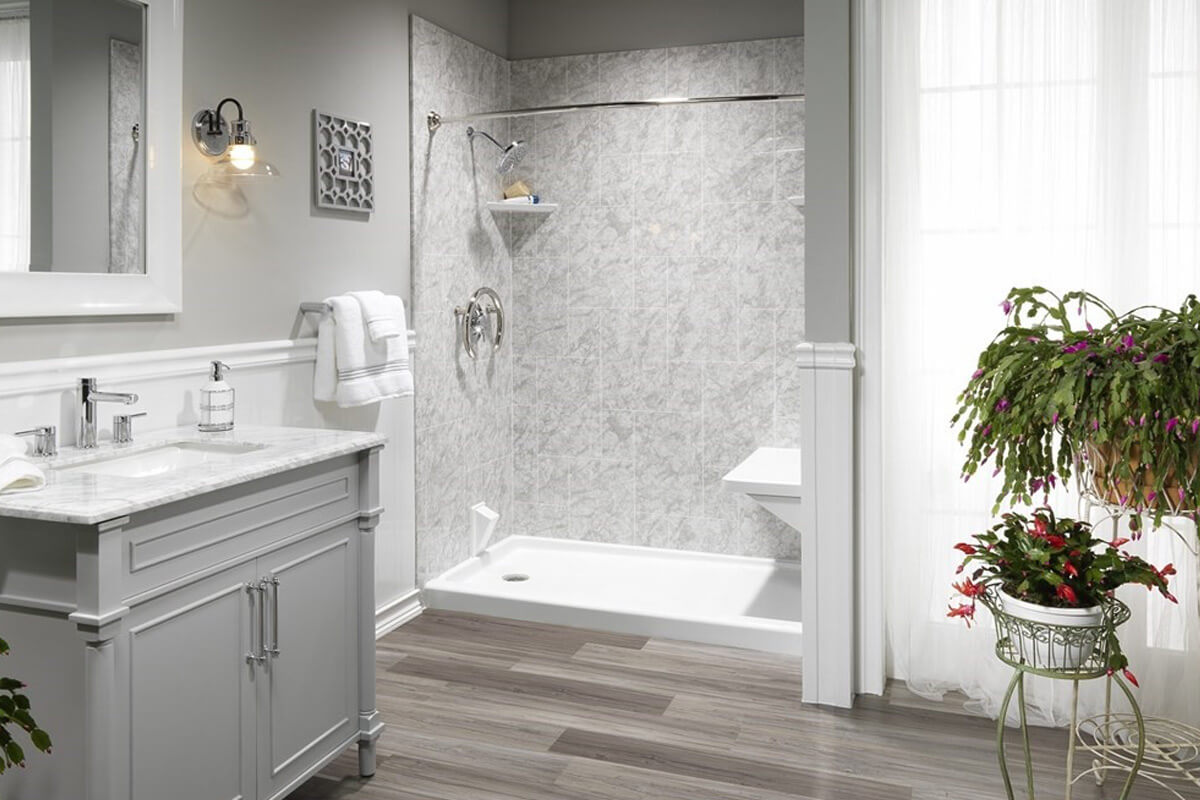
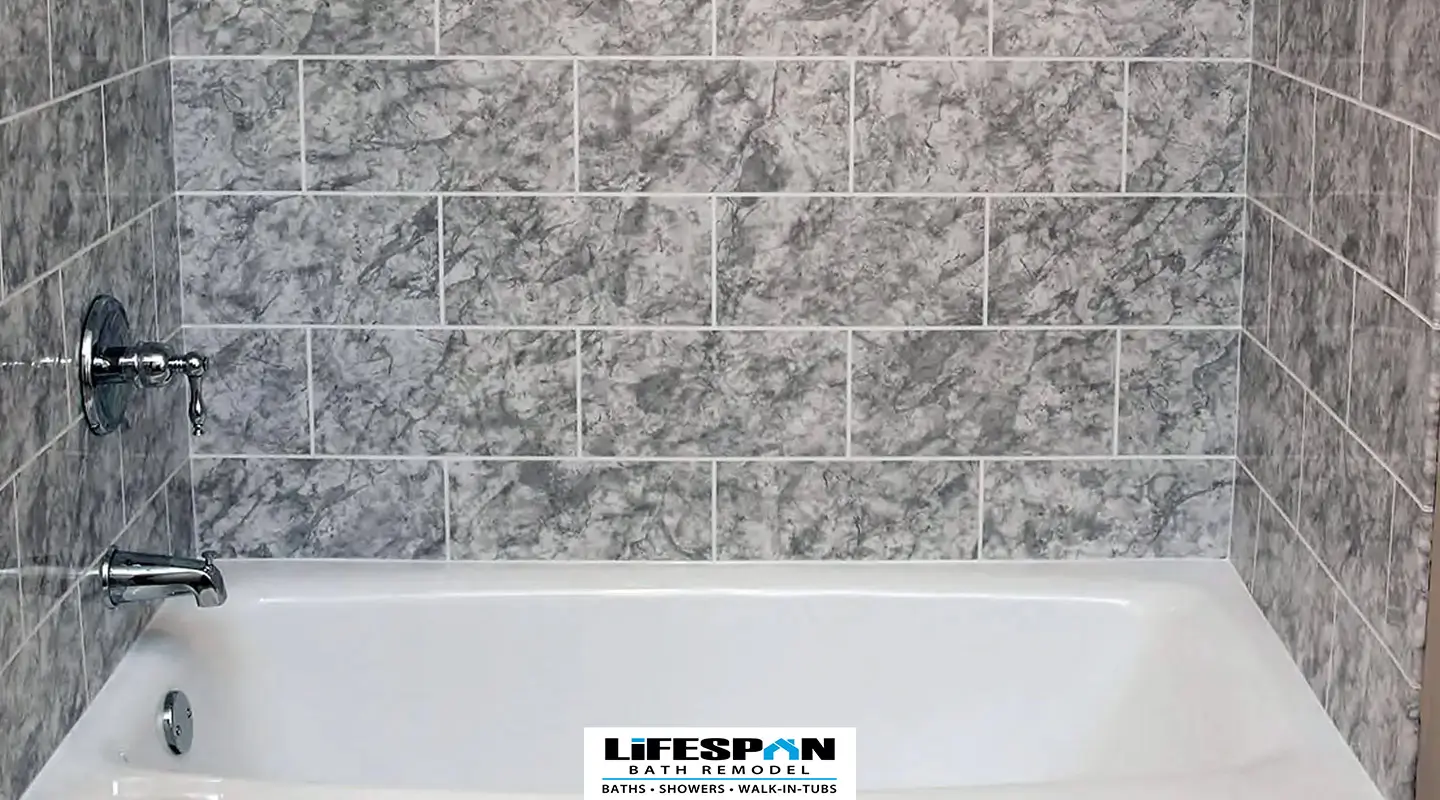
TL;DR
- You can often keep existing tile if it is firmly attached, structurally sound, and free from active moisture damage.
- Several updates are possible without tile removal, including refinishing, suitable tile painting, waterproof wall panels, fixture upgrades, storage improvements, and grout refreshes.
- Small bathrooms can benefit from tile-sparing updates that preserve the existing footprint while improving appearance and function.
- Tile removal may be necessary when there is water damage, failed waterproofing, loose or extensively cracked tile, or major plumbing and layout changes.
- The right approach depends on your bathroom’s condition, renovation goals, available space, budget, and overall project scope.
Picture this: you walk into your bathroom and notice that the layout still suits your needs, the fixtures work well, and the existing tile is in good condition. The only real problem is that the space looks dated, making a full demolition seem unnecessary.
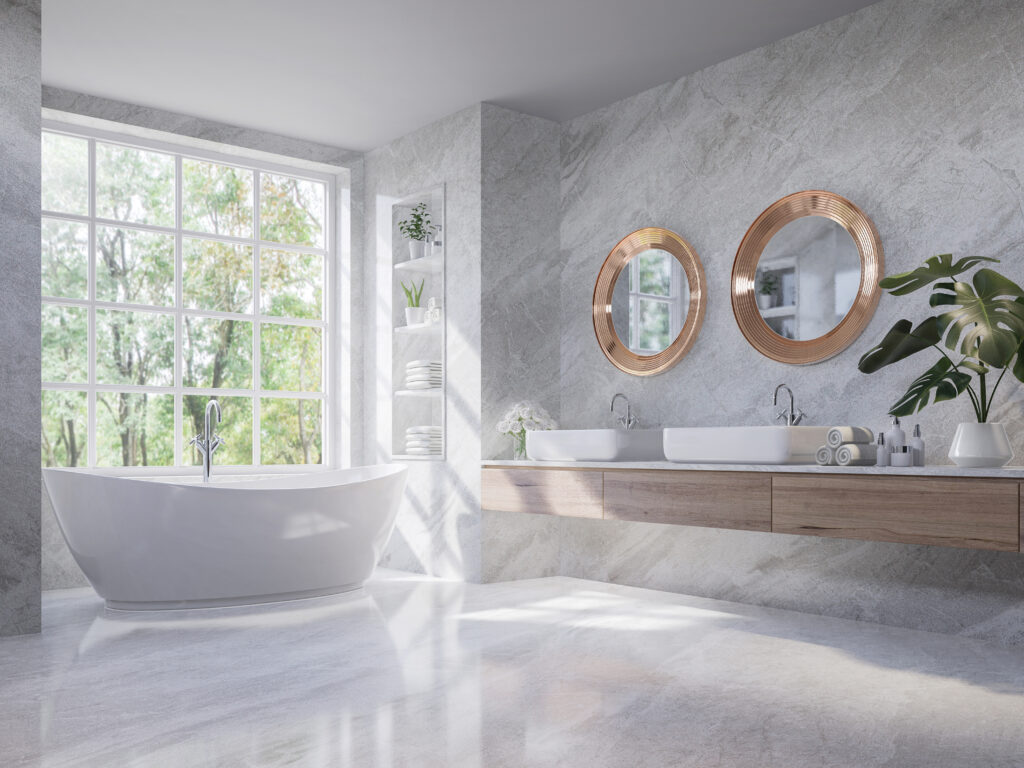
For homeowners in Salt Lake City or St. George, a bathroom remodel without removing tile is the best way to update the room while keeping the parts that already work.
Keeping the existing tile also reduces the amount of demolition involved in the project. Since tile removal can create dust, debris, noise, and additional work, avoiding it can make the renovation less disruptive, especially in a bathroom smaller than 50 square feet.
With the tile left in place, refinishing, wall panels, new fixtures, better lighting, and additional storage can change the room’s appearance without changing its existing footprint.
Can You Remodel a Bathroom Without Removing Existing Tiles?
Yes, in many cases, you can. An existing tile surface can remain intact if it is structurally sound, firmly adhered to the substrate, and free of active water damage.
However, if the underlying drywall or cement board is compromised, or if tiles are extensively cracked and loose, removal becomes necessary to ensure a safe, long-lasting result.
What Should You Check Before Keeping Existing Tiles?
Before deciding to keep your current surfaces, conduct a thorough inspection:
- Cracks and Loose Tiles: Tap tiles to check for hollow sounds, which indicate poor adhesion.
- Grout Condition: Look for crumbling, missing, or heavily stained grout lines.
- Water Damage: Check for soft spots around the tub or shower base.
- Uneven Surfaces: Significant lippage (uneven tile edges) can prevent new materials from laying flat.
- Moisture Concerns: Ensure there is no active mold or mildew behind the visible surfaces.
What This Means For You: A solid foundation is non-negotiable. If your current tile passes these checks, you have a viable canvas for a bathroom renovation over existing tiles.
7 Ways to Update Your Bathroom Without Removing Tile
Here are seven ways to update Your Bathroom Without Removing Tile:
1. Refinish Existing Bathroom Tiles
Tile refinishing (or reglazing) is a highly effective option for changing the color or refreshing worn surfaces without the dust and debris of demolition.
Professional applicators clean, etch, and coat the existing tile with a durable, moisture-resistant epoxy or urethane finish. This process can make dated colors look like modern, custom ceramic in a fraction of the time.
2. Paint Suitable Bathroom Tile Surfaces
For low-moisture areas like bathroom floors (outside the shower) or accent walls, specialized tile paints and epoxies can provide a fresh look.
Take note that regular wall paint is not appropriate for wet areas, as it will peel and trap moisture. Always use products specifically formulated for high-humidity environments and follow proper surface preparation guidelines.
3. Install Waterproof Wall Panels Over Existing Tile
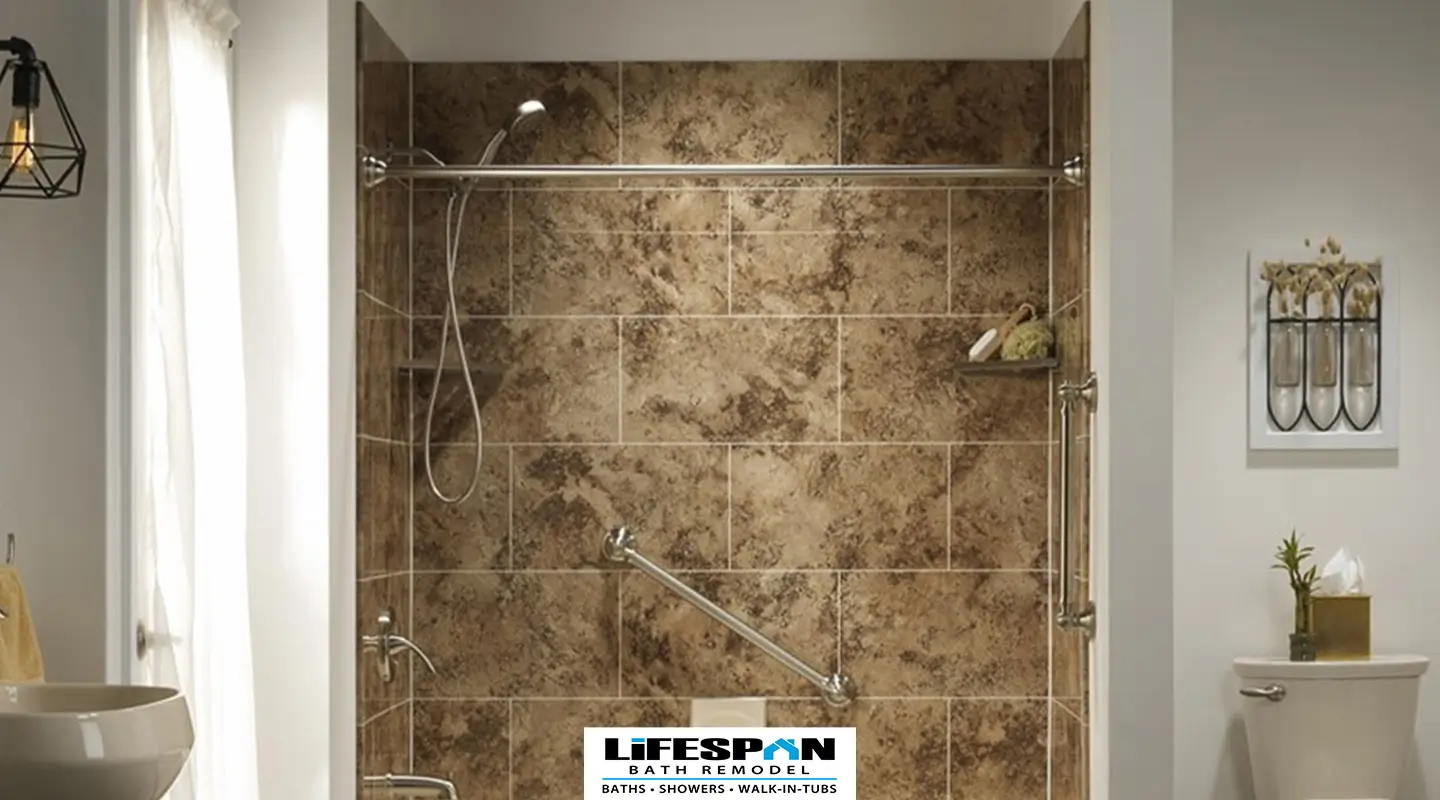
Waterproof wall panels (such as acrylic, PVC, or solid surface panels) can be installed directly over existing tile to create a brand-new shower surface.
This method drastically reduces demolition time and maintains your existing bathroom footprint. The panels interlock or adhere securely, providing a seamless, easy-to-clean barrier that is highly resistant to mold and mildew.
4. Add a Walk-In Shower Without Expanding the Bathroom
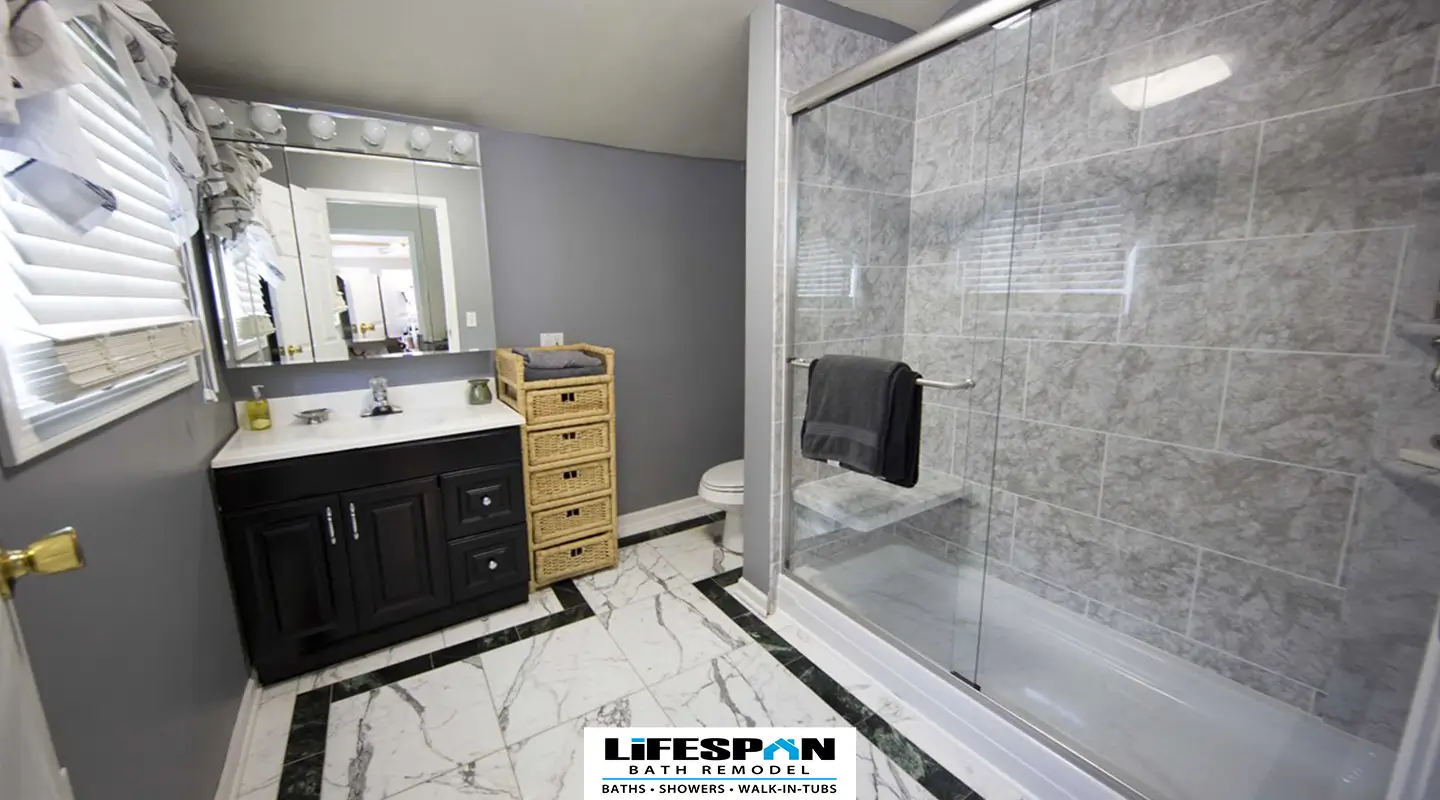
For Utah homeowners with small bathrooms under 50 sq. ft., maximizing space is a must. You can convert an existing tub or small shower into a modern walk-in shower within the same footprint.
By using a low-profile base and frameless glass, you eliminate visual barriers, making the room feel significantly larger without moving any plumbing walls.
5. Update Fixtures, Hardware, and Glass
Sometimes, the tile isn’t the problem; the accessories are. Swapping out dated showerheads, faucets, and controls for modern, water-efficient fixtures can dramatically change the room’s aesthetic.
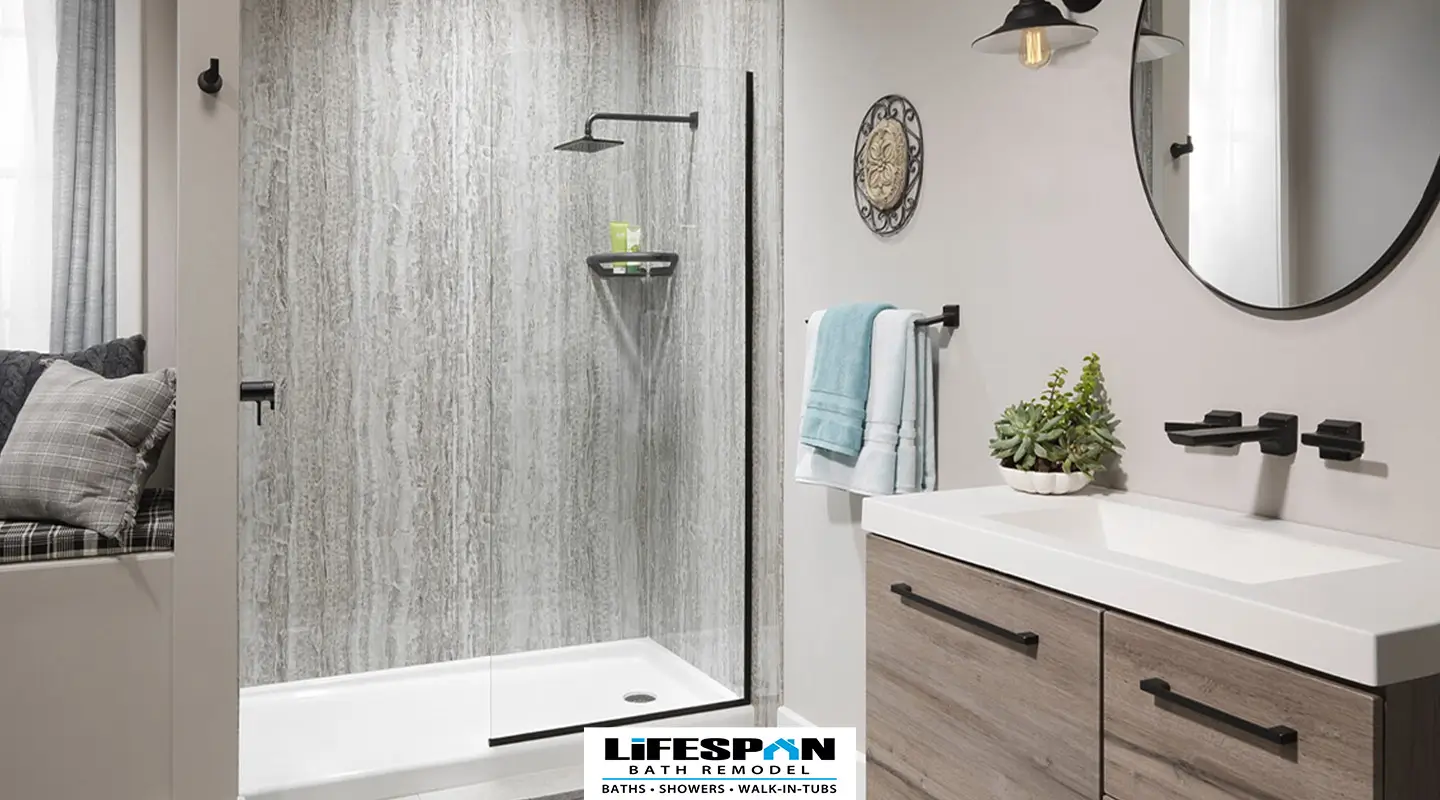
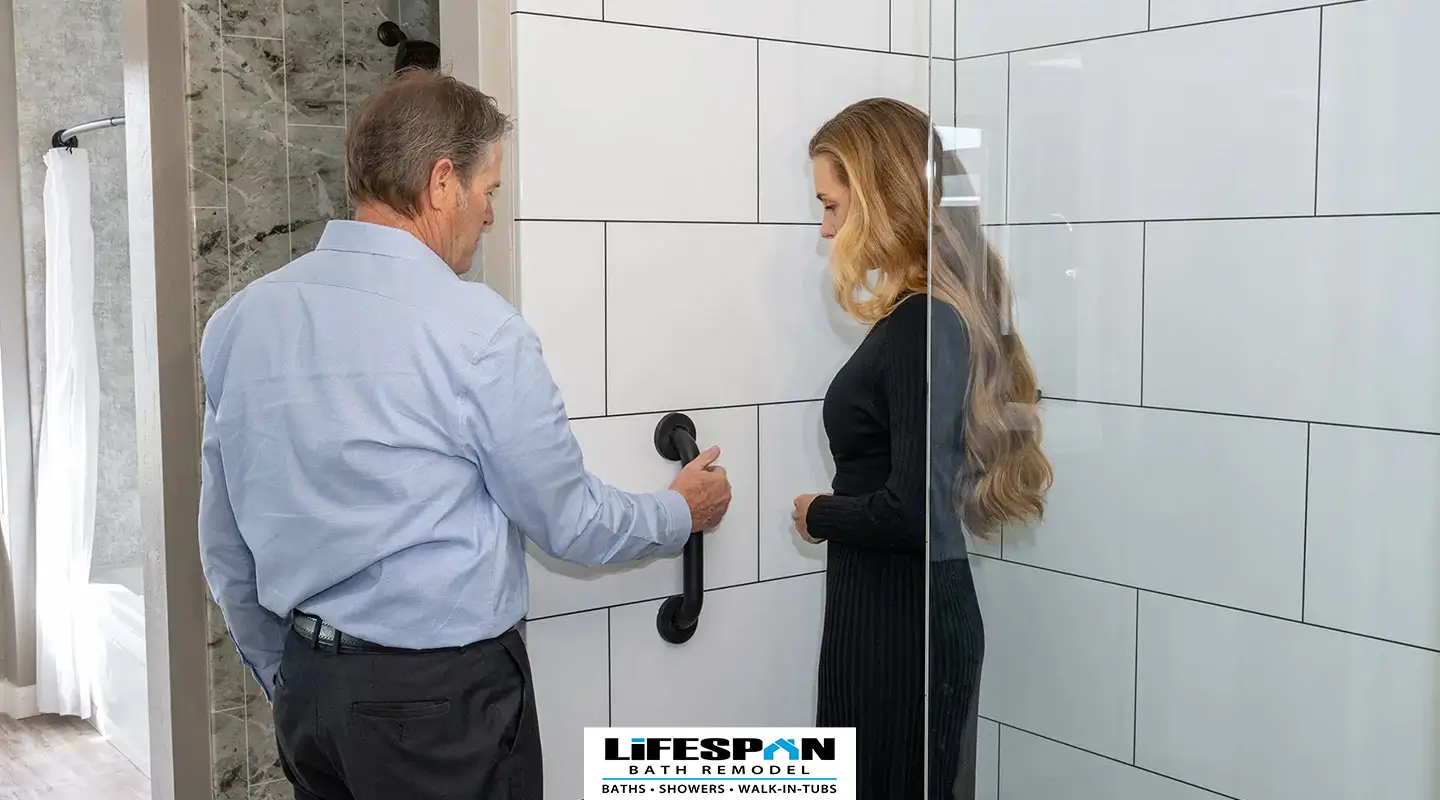
Upgrading to matte black or brushed nickel hardware, adding a stylish grab bar, and replacing a cloudy glass door with clear, frameless glass instantly elevate the space without touching the tile.
6. Improve Storage Without Changing the Tile Layout
Small bathrooms demand smart storage. Instead of tearing out walls, consider surface-mounted or recessed storage solutions that work with your current layout.
Floating vanities free up floor space, making the room feel airier. Vertical storage, such as over-the-toilet cabinets or tall, narrow shelving units, maximizes unused vertical real estate without altering the tile.
7. Refresh Grout and Tile Details
Never underestimate the power of a deep clean and fresh grout. Professional grout cleaning, recoloring (using grout stain or paint), and sealing can make old tile look brand new.
If only a few tiles are damaged, a professional can carefully remove and replace just those specific pieces to match the existing field, saving the cost of a full tear-out.
Pro Tip: When evaluating your options, remember that a professional bathroom remodel can help you determine which of these methods will yield the best long-term results for your specific space.
What Are the Benefits of a Bathroom Renovation Over Existing Tiles?
Choosing to renovate bathroom without replacing tiles offers several distinct advantages, such as:

- Reduced Demolition: Less dust, noise, and disruption to your daily life.
- Less Debris: No need for large dumpsters or extensive haul-away fees.
- Shorter Project Timelines: Many overlay or refinishing projects can be completed in one to two days.
- Preservation of Usable Materials: Keeps the original, structurally sound substrate intact.
- Footprint Retention: Maintains the existing plumbing layout, avoiding costly pipe relocation.
Know the Savings: Avoiding tile removal can reduce demolition, debris, and labor, but the final cost still depends on the condition of the existing bathroom and the upgrades selected. If repairs or major layout changes are needed, the project may require more extensive work than a simple tile-sparing renovation.
When Can Renovating Over Existing Tiles Make Sense?
Bathroom remodeling was the most common home improvement project in 2025, according to the National Association of Home Builders. That does not mean every bathroom needs a full gut renovation.
If the existing tile is firmly attached, structurally sound, and free from moisture problems, homeowners can focus on targeted updates that improve the room’s appearance and function while keeping the tile in place.
For a small bathroom, that means updating fixtures, refinishing surfaces, improving lighting, adding storage, or installing new wall panels instead of removing every tile. This gives the space a refreshed look while keeping more of the existing bathroom intact.
What Are the Limitations of Remodeling Without Removing Tiles?
Working over tile has real limits. Knowing them upfront prevents disappointment later.
- Hidden moisture damage behind the tile stays hidden until you open the wall.
- Damaged substrates cannot support panels or coatings reliably.
- Uneven surfaces telegraph through thin overlays.
- Limited layout changes mean you cannot easily move a shower or vanity.
- Material compatibility varies, and some finishes will not bond to certain tile.
When the existing tile blocks the result you want, covering it only delays the fix.
Look Beneath: Keeping tile in place works best when the existing structure is sound. If moisture, substrate damage, or major layout problems are already present, covering the surface does not solve the underlying issue. An inspection before remodeling can help determine whether an overlay is appropriate.
When Should Existing Bathroom Tiles Be Removed?
Removal is the right call in specific situations. Take the tile out when the following conditions appear:
- Tiles are loose or extensively cracked across the surface.
- Water damage has reached the wall or subfloor.
- Waterproofing behind the tile has failed.
- You plan major plumbing or layout changes.
In these cases, removal protects the structure and gives new materials a clean, sound base.
Fix First: Tile removal is not simply about changing the appearance of the bathroom. When water damage, failed waterproofing, or a compromised substrate is present, removing the existing materials allows those problems to be addressed before new surfaces are installed.
How Should You Prepare for a Tile-Free Bathroom Renovation?
Proper preparation keeps the project on track. Cover these points before work begins:
- Measurements: Take precise measurements of the entire space.
- Existing Tile Inspection: Confirm the tile is solid and clean.
- Plumbing Locations: Map out where current fixtures are to ensure new ones align.
- Shower Dimensions: Verify that new walk-in shower bases or panels will fit the exact footprint.
- Material Compatibility: Consult with a professional to ensure the chosen overlay or paint will bond to your specific tile type.
- Ventilation: Ensure your bathroom fan is adequate to handle moisture, protecting your new surfaces.
Verify Before Ordering: Measurements alone are not enough when installing materials over existing tile. Confirm the tile type, surface condition, available dimensions, and compatibility of the selected products before ordering materials to avoid discovering a fit or adhesion problem after work begins.
What Measurements Matter in a Small Bathroom?
In bathrooms under 50 sq. ft., every inch counts. Focus on:
- Shower Footprint: Standard small walk-in showers start at 30” x 30”, but 32” x 32” or 36” x 36” provides much better comfort.
- Door Clearance: Ensure the bathroom door can open fully without hitting the new vanity or shower glass.
- Vanity Depth: Consider shallow vanities (18”-21” deep) to maximize walkway space.
- Fixture Placement: Maintain at least 15” of clearance from the center of the toilet to any side wall or fixture.
Plan for Movement: A shower can technically fit within a small bathroom and still feel cramped. Leave enough clearance around the shower, vanity, toilet, and door for comfortable movement rather than using every available inch for fixtures.
How Can You Make a Small Walk-In Shower Feel More Spacious?
Modern walk-in shower designs increasingly focus on accessibility, clean sightlines, and efficient use of space. In smaller bathrooms, choices such as minimal hardware, reflective surfaces, and open layouts can help the shower area feel less confined.
To make better use of the available space:
- Install clear, frameless glass to keep sightlines open and make the bathroom feel more spacious.
- Choose light-colored wall surfaces to reflect more light and create a brighter appearance.
- Consider a corner or neo-angle layout to reduce the amount of floor space occupied by the shower.
- Add a recessed niche for toiletries instead of using a bulky caddy that extends into the shower area.
- Use a linear drain to create a single, gentle floor slope and support a curbless shower design.
Note: Industry data indicates that small bathroom remodel costs have risen 4-6% recently due to material and labor factors, making non-demolition options like tile refinishing or overlays a highly practical, budget-friendly alternative for homeowners.
Is a Bathroom Remodel Without Removing Tile Right for Your Utah Home?
The right choice depends on the condition of your bathroom, what you want to change, and how much work the space actually needs. Consider these factors before deciding whether to keep the existing tile or remove it:
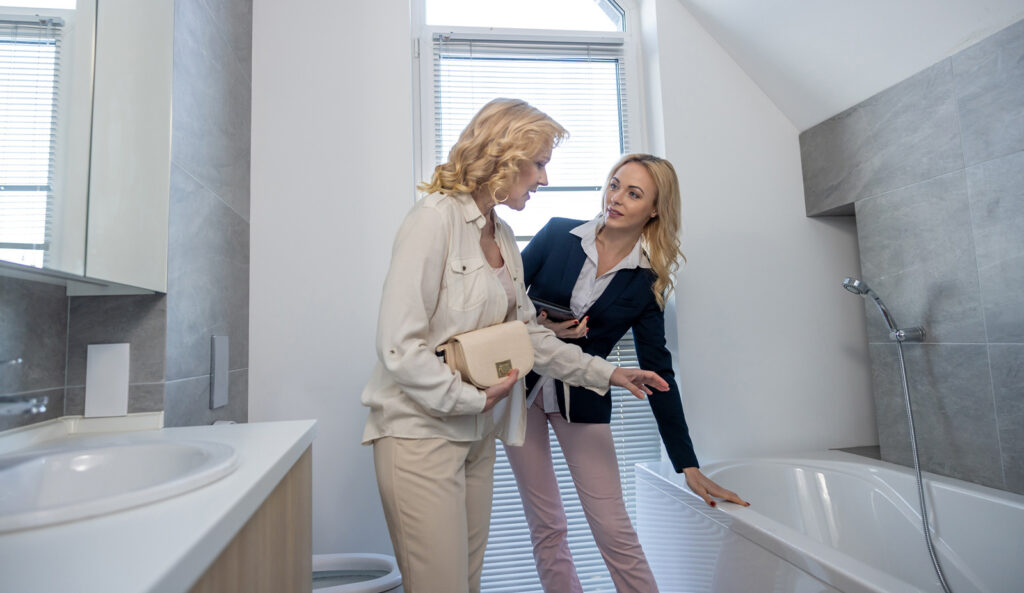
- Tile condition: Check whether the tile is firmly attached and free from cracks, loose sections, or moisture damage.
- Bathroom size: Decide whether the current layout provides enough space for your daily needs or feels too restrictive.
- Shower goals: Determine whether you want a visual refresh or a larger change to the shower size, location, or layout.
- Budget: Consider how much you want to spend and which improvements will have the greatest impact within that amount.
- Renovation scope: Decide whether targeted updates can deliver the result you want or whether the bathroom needs a complete renovation.
Think Long-Term: A tile-sparing remodel can make sense when the existing bathroom is in good condition and the planned updates fit the current layout. If you expect major changes later, such as moving plumbing or significantly changing the shower, it may be worth considering a more extensive renovation now rather than remodeling the same space twice.
Next Steps to Bathroom Remodeling
A tile-sparing remodel gives Utah homeowners a practical way to refresh their bathroom without taking on unnecessary demolition. If you are in Salt Lake City or St. George, LifeSpan Home Improvement will assess your existing bathroom and explore the options available for your space.
Our team is ready to guide you through material selections, layout changes, shower upgrades, and other bathroom remodeling decisions based on the condition of your bathroom and the results you want. Contact us today!
Frequently Asked Questions
1. Can you remodel a bathroom without removing existing tiles?
Yes, provided the existing tile is structurally sound, firmly adhered, and free of water damage. Methods like refinishing, painting, or installing waterproof wall panels allow you to refresh the space without demolition.
2. Can you install a walk-in shower over existing bathroom tile?
Yes. Waterproof wall panels or acrylic shower systems can often be installed directly over existing, flat tile. This is a popular method for tub-to-shower conversions in small bathrooms, as it preserves the existing plumbing footprint.
3. How do you renovate bathroom without replacing tiles?
You can renovate bathroom without replacing tiles by focusing on surface-level upgrades. This includes professional tile refinishing, applying specialized tile paint, installing wall panels, updating fixtures and hardware, improving storage, and deeply cleaning or recoloring the grout.
4. What is the best way to update bathroom without removing tiles?
The best way to update bathroom without removing tiles depends on your goals. For a complete shower transformation, waterproof wall panels are highly effective. For a budget-friendly refresh, refinishing the tile and updating the hardware and lighting offer the highest visual impact for the lowest cost.
5. When should bathroom tiles be removed instead of covered?
Tiles must be removed if there is active water damage, mold, loose or cracked tiles, or a compromised substrate. Additionally, if you plan to move plumbing fixtures or significantly change the bathroom’s layout, a full tear-out is necessary.
Questions? Talk to a Pro.
We beat any competitor by $100! Call for details. (801) 532-2000
Recent articles

Solid Surface vs. Acrylic Wall Surrounds: What’s the Difference?
Best Bathroom Materials for Utah Winters and Temperature Changes

How Winter Weather Can Affect Your Bathroom Remodel Timeline
7 Ways to Remodel a Bathroom Without Removing Tiles

5 Factors That Affect the Tub-to-Shower Conversion Timeline
What’s the Ideal Walk-In Shower Size for a Small Utah Bathroom
10 Factors to Consider Before Installing a Walk-In Shower
What Homeowners Should Know Before Choosing PuroStone for Their Shower Remodel
Related Posts
Matt Tychsen
November 24, 2026
Solid Surface vs. Acrylic Wall Surrounds: What’s the Difference?
TL;DR: Solid surface and acrylic wall surrounds are both practical alternatives to traditional tiled shower walls. Solid surface offers a substantial feel, broad...
November 19, 2026
Best Bathroom Materials for Utah Winters and Temperature Changes
A bathroom may take up only a few dozen square feet, but every surface has to withstand daily use. Floors need to handle...
November 10, 2026
How Winter Weather Can Affect Your Bathroom Remodel Timeline
A cold Utah morning does not have to put your bathroom renovation on hold. The concern about winter delays is reasonable, given that...