

Key Takeaways
- Winter weather can affect a bathroom remodel through colder temperatures, indoor humidity, material curing, deliveries, and contractor scheduling.
- Most bathroom remodeling work happens indoors, but Utah’s winter conditions can still affect parts of the project.
- Small bathrooms under 50 sq. ft. can have shorter installation windows, but limited space makes sequencing and material availability especially important.
- A walk-in shower can be a practical upgrade for a small bathroom when dimensions, plumbing locations, door clearance, and storage are planned together.
- Early material selection, realistic scheduling, and preparation can help reduce winter-related delays.
A cold Utah morning does not have to put your bathroom renovation on hold. The concern about winter delays is reasonable, given that general weather-related issues account for roughly 21% of construction delays overall.
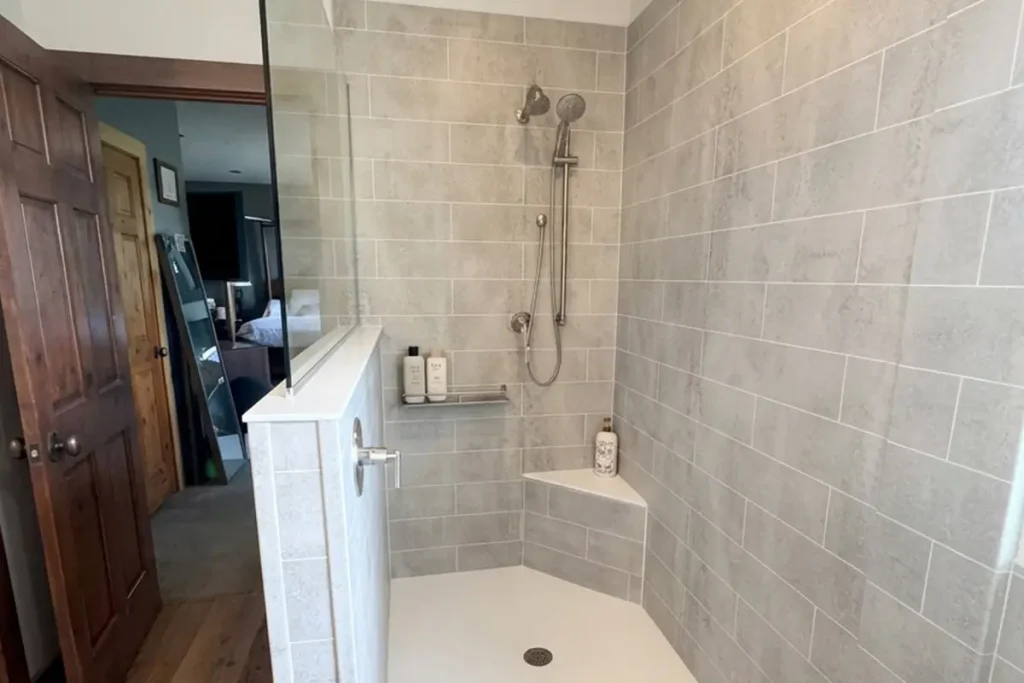
However, a winter bathroom remodel does not automatically mean weeks of extra work. The timeline depends on the project scope, materials selected, indoor temperature and humidity, contractor availability, and how weather-sensitive tasks are scheduled.
For homeowners renovating compact bathrooms, especially spaces under 50 square feet, the bigger challenge may be managing the workspace rather than the temperature outside. Limited room for installers to move and little space for temporary material storage can affect productivity. Careful planning can help keep the work organized and the project moving forward.
Does Winter Weather Make a Bathroom Remodel Take Longer?
It is essential to distinguish between outdoor weather and the controlled environment inside your home. The majority of bathroom remodeling tasks, such as demolition, plumbing adjustments, and fixture installation, occur indoors.
Separate Weather From Work: Winter weather does not affect every part of a bathroom remodel equally. Indoor demolition, plumbing, and fixture installation can often continue normally, while deliveries, access, subcontractor travel, and temperature-sensitive materials are more likely to be affected.
But winter conditions in Utah can indirectly impact the project through delivery schedules, worker travel times, building access during storms, and the management of indoor temperature and humidity. Materials that require drying or curing also behave differently in colder, drier air.
The scope of the project plays a major role in how weather impacts the schedule. A straightforward replacement of an existing shower unit may follow a predictable timeline, largely unaffected by external conditions. Meanwhile, a project involving significant plumbing relocation, structural wall repairs, extensive waterproofing, or layout changes requires more coordination.
These complex tasks are more susceptible to delays if material deliveries are slowed by snow or if subcontractors face scheduling conflicts due to weather events across other job sites.
What Parts of a Bathroom Remodel Are Most Affected by Winter?
Here are several key areas of a renovation that are sensitive to seasonal changes:
- Material deliveries and supply chain logistics
- Application of waterproofing membranes and adhesives
- Curing times for mortar, grout, and sealants
- Plumbing work, especially if pipes are exposed to cold drafts
- Contractor and subcontractor scheduling flexibility
- Home access and safety during heavy snow or ice storms
- Unexpected conditions, such as frozen pipes or hidden water damage, discovered during demolition
Winter Timeline: A winter remodel does not automatically require extra weeks. The biggest timeline changes usually come from weather-related access issues, material delays, indoor conditions, and the scope of the renovation.
How Cold Temperatures Can Affect Bathroom Remodeling Work
Temperature can still affect a bathroom renovation, even when the work is taking place inside a heated home. Materials may travel through a garage, entryway, or other cooler area before reaching the bathroom.
That brief exposure can matter, especially for products such as tile adhesive or vinyl flooring.
When these materials are exposed to freezing temperatures, their bonding, curing, or flexibility may be affected. So, keeping both the materials and work area within the recommended temperature range helps the installation perform as intended and hold up over time.
Some of the key considerations include:
- Temperature-sensitive products requiring specific storage conditions
- Performance of adhesives and sealants in cooler air
- Drying rates for paint and protective coatings
- Setting times for mortar and grout
- Acclimation of materials brought in from cold storage
- Maintaining consistent indoor temperatures to prevent expansion or contraction
Can Cold Temperatures Affect Adhesives, Grout, or Sealants?
Yes, product performance is closely tied to environmental conditions. Manufacturers provide strict specifications for the minimum and maximum temperatures at which their adhesives, grouts, and sealants can be applied and cured.
If the ambient temperature drops below these thresholds, the materials may not set properly, leading to weak bonds or premature failure. Professional installers monitor these conditions closely to ensure every product performs as intended.
Why Indoor Temperature Still Matters
While a heated home provides a stable baseline, areas near exterior walls, windows, or doors may experience drafts or temperature fluctuations. These microclimates can affect how quickly materials dry or cure.
Confirming that the workspace remains within the recommended temperature range helps prevent issues with bonding and finishing.
What Homeowners Should Check: Before work begins, ask which products will be used and whether any require specific temperature or humidity conditions during installation and curing.
How Humidity and Drying Times Can Change a Winter Bathroom Remodel Timeline
Utah’s seasonal changes can complicate how bathroom materials dry, set, and cure. Bathrooms already have higher moisture levels, while winter brings drier air that can change how quickly certain products lose moisture or harden.

Knowing the difference between drying, curing, setting, and ventilation helps homeowners understand why some steps take longer than expected.
Waterproofing systems, thin-set mortar, grout, caulk, and paint each have their own curing and drying windows. Giving every product enough time to reach the manufacturer’s recommended stage can help prevent problems later.
Cure Time Is Part of the Schedule: Drying and curing periods are not wasted time. They are necessary steps that allow waterproofing, mortar, grout, caulk, and other materials to perform properly. A realistic timeline should account for these requirements rather than treating them as avoidable delays.
Why Waterproofing and Curing Time Matter
Waterproofing is a critical step, particularly for walk-in showers. Installers must allow waterproofing membranes to cure completely before proceeding with tile installation.
Skipping or rushing this step can lead to leaks and structural damage down the line. In winter, lower humidity might speed up surface drying, but full chemical curing still takes time.
How Ventilation Can Help Manage Moisture
Proper ventilation helps manage humidity levels during construction. Exhaust fans and temporary ventilation solutions can help maintain optimal conditions without altering the natural curing process of materials.
This means that moisture from construction activities does not linger in the home, protecting both the new installation and existing structures.
How It Affects the Schedule: A few extra hours or a day for drying or curing can affect the next installation step. Building those requirements into the schedule is better than treating them as unexpected delays.
Can Winter Weather Delay Bathroom Material Deliveries?
Snow, ice, and hazardous road conditions can disrupt supply chains, affecting when materials arrive at your home.
Even if the work is indoors, delayed deliveries can halt progress. This is particularly challenging in small bathrooms where there is limited space to store materials. You cannot simply order everything months in advance and stack it in the hallway.
Common items subject to delivery delays include:
- Custom shower systems and pans
- Glass shower doors and enclosures
- Tile and stone slabs
- Vanities and cabinetry
- Fixtures like faucets and showerheads
- Plumbing components and valves
- Special-order or custom-made products
Don’t Store Everything Early: Small bathrooms often have very little space for storing remodeling materials. Instead of bringing everything into the home weeks ahead of installation, coordinate delivery dates around the construction sequence so materials arrive when they are actually needed.
How Material Availability Can Affect a Small Bathroom Remodel
In a bathroom under 50 square feet, every inch counts. There is rarely room to store a week’s worth of materials. Therefore, timing is crucial.
Materials should arrive just in time for installation, not weeks early. A delay in a single component, such as a specific tile or a vanity, can pause the entire project because there is no alternative workspace to shift to.
What Should Homeowners Order Before Winter Work Begins?
To mitigate risks, confirm the availability and expected arrival dates for all major components before demolition starts. Securing these items early ensures that the supply chain is aligned with your installation schedule.
Before Demolition: Confirm that the major materials for your walk-in shower are available and that delivery dates fit the planned installation sequence.
How Contractor Scheduling Can Affect a Winter Bathroom Renovation Timeline
Contractor availability in winter can vary. Some teams may have more open slots due to fewer outdoor projects, while others may face disruptions from weather events affecting multiple job sites.
It’s not accurate to claim that winter is always faster or slower. It depends on the specific contractor’s workflow and the severity of the season’s weather.
Ask About Contingencies: Before scheduling begins, ask how the contractor handles weather-related changes, delayed deliveries, and subcontractor availability. Knowing the communication process and contingency plan ahead of time can make unexpected schedule changes easier to manage.

Factors influencing scheduling include:
- Initial consultation and design finalization dates
- Crew availability and holiday schedules
- Weather-related rescheduling needs
- Coordination with specialized subcontractors
- Timing for required inspections
What Should You Ask Your Contractor About a Winter Schedule?
Asking these questions helps set realistic expectations:
- What is the estimated start date and completion window?
- Which parts of the project are most sensitive to weather?
- What is the protocol if a delivery is delayed by snow?
- Which milestones depend on specific drying or curing times?
- How will weather-related schedule changes be communicated?
- What materials must be on-site before demolition begins?
How Long Does a Winter Bathroom Remodel Take?
The size and scope of the project can have a direct effect on how long a winter bathroom remodel takes. A small walk-in shower upgrade will have a different schedule than a full renovation involving layout changes, plumbing work, or structural updates.
In Utah, a winter bathroom remodeling typically takes 3 to 6 weeks of active construction. But the actual timeline can vary based on materials, inspections, contractor availability, and weather-related logistics.
Scope Sets the Pace: The overall timeline is influenced less by the season alone and more by what is being changed. Replacing an existing shower may require fewer steps than relocating plumbing, repairing hidden damage, installing custom glass, or changing the layout.
| Project Factors | Potential Timeline Effect |
| Existing shower replacement | Usually less work than a full layout change |
| Plumbing relocation | Adds installation and coordination work |
| Waterproofing | Requires proper preparation and curing time |
| Custom glass | Depends on measurement, fabrication, and delivery |
| Tile work | Adds installation and setting/curing stages |
| Material delays | Can pause dependent work |
| Weather disruptions | May affect deliveries and access |
What Can Make a Small Bathroom Remodel Take Longer?
Even in small spaces, several factors can extend the timeline:
- Hidden water damage discovered behind walls
- Unexpected plumbing issues or code upgrades
- Incorrect measurements requiring re-orders
- Backordered materials or supply chain gaps
- Custom components with long lead times
- Design changes requested after work has begun
- Additional waterproofing or structural repairs needed
Timeline Tip: A small bathroom does not always mean a short remodel. The square footage affects the amount of space being renovated, while plumbing, materials, repairs, and installation requirements determine much of the actual schedule.
How Can Utah Homeowners Prepare for a Winter Bathroom Remodel?
Preparation is the best defense against winter-related delays. By taking these proactive steps, homeowners can keep their projects on track:
- Finalize the exact dimensions for the new walk-in shower.
- Confirm fixture and drain locations to avoid plumbing moves.
- Select all major materials early in the process.
- Check current material availability and lead times.
- Discuss temperature and curing requirements with your contractor.
- Plan for temporary bathroom access during construction.
- Clear a safe route for installers to enter and exit.
- Protect nearby flooring and living areas from dust and debris.
- Establish clear communication procedures for updates.
- Build reasonable flexibility into your personal schedule.
Prepare for Daily Life: Planning the construction schedule is only part of winter preparation. Make sure you know which bathroom will be available during the project, where installers will enter the home, and how materials and debris will be handled so the renovation causes less disruption to your routine.
Plan the Walk-In Shower Around Your Existing Footprint
For bathrooms under 50 square feet, keeping the plumbing in its current location is often the most efficient choice. This avoids extensive pipe work and reduces the risk of delays.
Choose a compact shower configuration that maximizes space, such as using recessed niches for storage instead of bulky cabinets. Consider sliding doors or space-conscious entry designs to maintain clear movement paths. Avoiding unnecessary layout changes simplifies the project and shortens the timeline.
Choose Space-Saving Features Before Construction
Selecting the right features early prevents last-minute changes that can stall progress. Options like wall-mounted fixtures, corner shelving, recessed niches, and compact vanities save valuable floor space.
Clear glass panels can make the room feel larger, while curbless or low-threshold entries improve accessibility. Remember that late changes to these selections can affect ordering and installation schedules.
Small-Bathroom Planning Tip: In a bathroom under 50 sq. ft., every inch affects movement. Confirm the shower footprint, entry clearance, storage, fixtures, and door configuration before construction begins.
How Can You Keep a Winter Bathroom Remodel on Schedule?
Keeping a project on track requires discipline and clear communication. So, follow these to set things on track:
Finalize Decisions Before Demolition
Once demolition begins, changing your mind about tiles, fixtures, or layout can cause significant delays. Finalize all design choices beforehand to ensure materials are ordered and ready.
Confirm Materials and Deliveries
Verify lead times for all major components, including shower systems, glass, tile, and fixtures. Coordinate delivery dates to align with the installation phases, ensuring materials arrive just when they are needed.
Build Weather Flexibility Into the Schedule
A realistic winter bathroom remodel timeline includes buffer days for potential weather disruptions. This flexibility prevents frustration when minor delays occur due to snow or supply chain hiccups.
For more details on managing these complexities, you can explore professional winter bathroom remodel services that specialize in navigating seasonal challenges.
Keep Communication Clear During the Project
Establish a routine for updates. Discuss schedule changes, material delays, unexpected discoveries, and approval of any necessary changes promptly. Clear communication ensures that everyone is aligned and that decisions are made quickly to keep the project moving.
Key Takeaway: Winter does not automatically put a bathroom remodel behind schedule. Early material selection, realistic timing, proper curing conditions, and clear communication can help keep the project moving.
What Should Homeowners Know About Bathroom Renovation in Winter?
Winter remodeling is entirely feasible when planned with a clear understanding of seasonal conditions. By partnering with experienced professionals, homeowners can transform potential seasonal hurdles into a smooth, predictable process.
LifeSpan Home Improvement specializes in helping clients map out these precise details before a single tile is removed. We work closely with you to evaluate your space, secure the right materials, and establish a realistic timeline that respects your daily routine and protects your investment.
Ready to transform your bathroom this winter? Don’t let the season hold you back from the safe, modern bathroom you deserve. Contact us today to schedule your free, in-home consultation.
Frequently Asked Questions
1. Does winter weather make a bathroom remodel take longer?
Not necessarily. While temperature, humidity, and delivery schedules can be affected, proper planning and indoor climate control can mitigate most delays. The scope of the project is often a bigger factor than the season.
2. How long does a winter bathroom remodel take in Utah?
Duration varies based on scope, materials, plumbing changes, and any unforeseen repairs. A simple fixture swap may take a few days, while a full remodel with layout changes could take several weeks. Weather disruptions may add slight buffers to this timeline.
3. Can I install a walk-in shower in a bathroom under 50 square feet?
Yes, a compact walk-in shower can fit many small bathrooms. However, available dimensions, existing plumbing locations, entry clearance, and local building codes must be reviewed to ensure a functional and compliant design.
4. Can cold temperatures affect bathroom remodeling materials?
Yes, some products like adhesives, grouts, and sealants have specific temperature and humidity requirements for application and curing. Installing them outside these ranges can compromise their performance.
5. How can I prevent material delays during a winter bathroom renovation?
Confirm product availability early, order major components well in advance, and coordinate delivery dates with your installation schedule. Keeping a close line of communication with your supplier and contractor helps manage expectations.
6. Should I remodel my bathroom in winter or wait until spring?
This depends on your priorities. Winter may offer greater contractor availability, while spring might have milder weather for deliveries. Consider material lead times, your personal schedule, and the urgency of the renovation when deciding.
7. What can delay a winter bathroom renovation schedule?
Common delays include weather-related delivery issues, material shortages, unexpected plumbing or structural problems discovered during demolition, extended curing times, contractor scheduling conflicts, and design changes made after construction has begun.
Questions? Talk to a Pro.
We beat any competitor by $100! Call for details. (801) 532-2000
Recent articles
How Winter Weather Can Affect Your Bathroom Remodel Timeline
7 Ways to Remodel a Bathroom Without Removing Tiles

5 Factors That Affect the Tub-to-Shower Conversion Timeline
What’s the Ideal Walk-In Shower Size for a Small Utah Bathroom

10 Factors to Consider Before Installing a Walk-In Shower
What Homeowners Should Know Before Choosing PuroStone for Their Shower Remodel

How to Decide If Your Bathroom Needs a Partial Upgrade or a Full Bathroom Remodel

What Bathroom Design Features Help Reduce Daily Maintenance?
Related Posts
Matt Tychsen
November 10, 2026
How Winter Weather Can Affect Your Bathroom Remodel Timeline
A cold Utah morning does not have to put your bathroom renovation on hold. The concern about winter delays is reasonable, given that...
November 4, 2026
7 Ways to Remodel a Bathroom Without Removing Tiles
Picture this: you walk into your bathroom and notice that the layout still suits your needs, the fixtures work well, and the existing...
October 29, 2026
5 Factors That Affect the Tub-to-Shower Conversion Timeline
What if replacing your bathtub with a walk-in shower took only a few days, but one hidden plumbing issue added several more? That’s...