You are planning a bathroom remodel, and the material choices feel endless. Tile looks classic but comes with grout and upkeep, while you want something that looks great, lasts for years, and doesn’t eat up your weekends with cleaning.
Acrylic has quietly become one of the smartest answers to that problem. The acrylic bathroom products market was valued at $10.7 billion in 2025 and is on track to reach $14.2 billion by 2032, according to Precision Business Insight.
From shower wall panels to bathtubs, acrylic offers a waterproof, low-maintenance surface that suits almost any bathroom and budget. It is a practical choice that still looks polished years after the remodel.
In this post, you’ll learn:
- What acrylic shower wall panels are and how they work
- Why acrylic panels beat tile on upkeep and waterproofing
- The pros, cons, and care of acrylic bathtubs
- How acrylic compares to tile and fiberglass
Quick Answer: Acrylic shower wall panels and tubs are smart bathroom remodel choices because they are waterproof, low maintenance, easier to install than tile, and available in styles that suit both modern and classic bathrooms.
What Are Acrylic Shower Wall Panels?
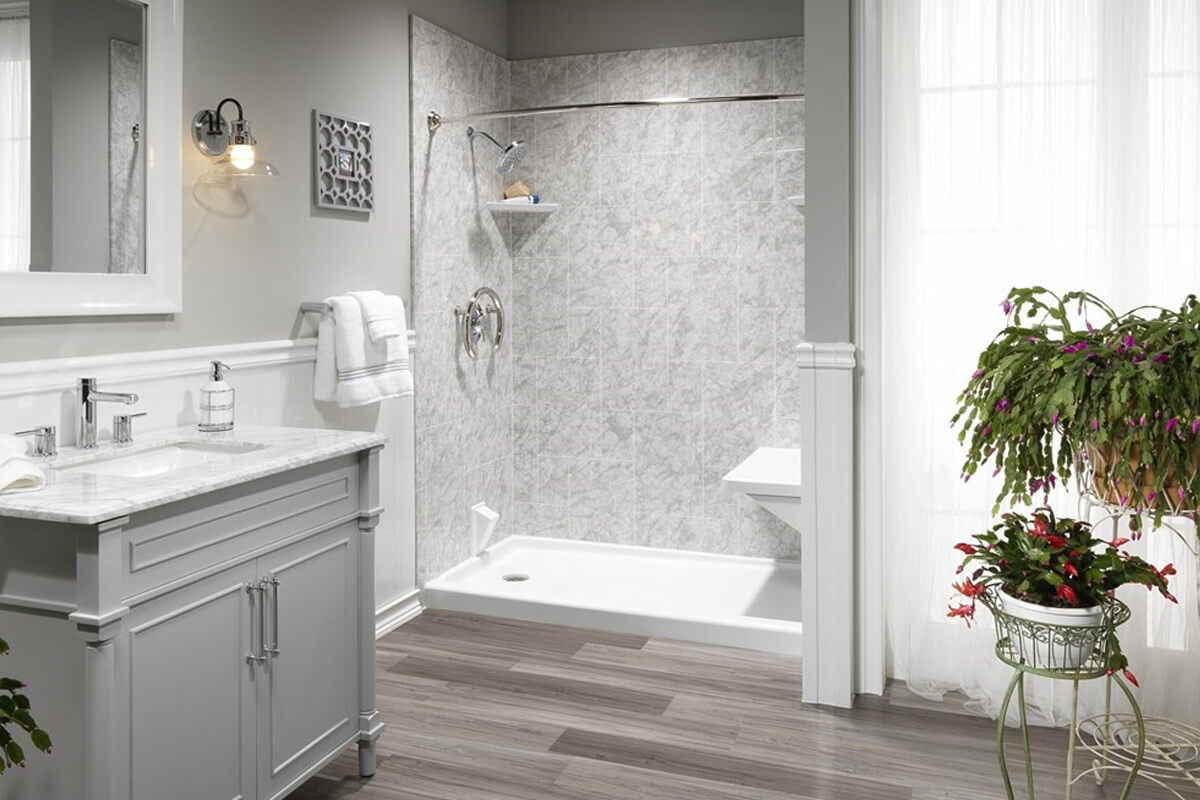
Acrylic shower wall panels are large, molded sheets that cover your shower walls in place of individual tiles. Instead of dozens of small tiles held together by grout, you get a handful of wide panels that fit together into a smooth, near-continuous surface with very few seams.
Each panel is made from solid acrylic, a durable plastic with a hard, non-porous face. That surface sheds water instead of absorbing it, so the shower wall stays sealed without the grout lines that tile depends on.
Definition Box: Acrylic shower wall panels are large, non-porous wall panels used to cover shower walls without grout lines. They help create a smooth, waterproof surface that is easier to clean than traditional tile.
Why Acrylic Shower Wall Panels Beat Tile
Tile has a classic look, but it asks a lot in return. Acrylic shower wall panels give you a similar finished look while solving the two biggest problems tile brings into a shower: grout upkeep and water damage.
No Grout Lines to Scrub
The grout between tiles is where showers go wrong. It stains, traps mildew, and needs regular scrubbing and sealing to stay clean. Acrylic panels have almost no seams and no grout lines, so that whole chore disappears from your weekend.
This lines up with where the market is heading. Roughly 89% of design pros report demand for smaller or no grout lines, according to the NKBA trends report, as homeowners seek cleaner, lower-upkeep showers.
A Waterproof Shower Wall That Lasts
A tile shower is only as waterproof as its grout, and grout fails over time. Acrylic panels are waterproof across the whole surface, so water stays out of the wall behind them and never feeds rot or mold.
That sealed shower wall holds up through years of daily use. With no porous grout to crack or absorb moisture, there is no weak point for water to slip through.
How It Works: Acrylic panels reduce maintenance by replacing many small tile pieces and porous grout lines with fewer large waterproof panels. This limits the places where water, soap residue, and mildew can collect.

High Gloss Acrylic Shower Wall Panels and Style Options
Acrylic does not mean plain. Today’s panels come in finishes that mimic high-end materials, so you get the look you want without the upkeep that usually comes with it. Style is where acrylic surprises most homeowners.
Acrylic shower wall panels come in a range of looks:
- High gloss acrylic shower wall panels that brighten a bathroom and read sleek and modern
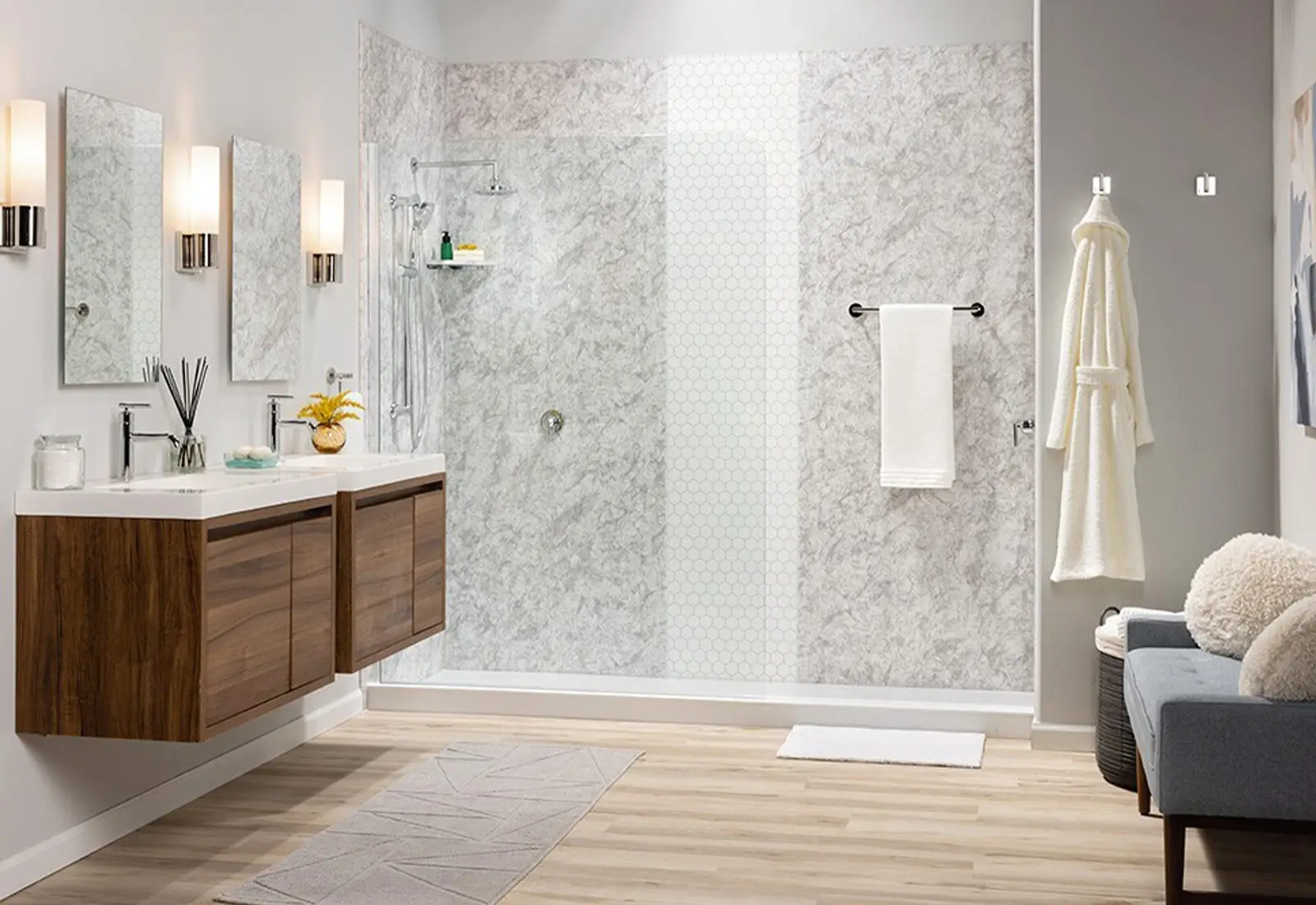
- Stone and marble look with natural veining for a spa-like feel
- Classic subway tile patterns that capture the tile aesthetic with no grout lines
- Matte and textured finishes for a softer, contemporary surface
Each finish delivers the same waterproof, low-maintenance panel underneath. You choose the style your bathroom calls for, and the performance stays the same across every option.
Tip: Choose high gloss acrylic panels if you want the bathroom to feel brighter and more open. Matte or textured finishes work well when you want a softer, more understated look.
Acrylic Wall Panels for Any Shower Surround
One reason acrylic works so well is how easily it adapts to your existing space. Acrylic wall panels fit almost any shower surround, whether you are updating a standard alcove, a corner unit, or a tub-and-shower combination.
A Custom Fit for Your Shower Surround
Acrylic panels are cut to match the dimensions of your shower surround, so they fit the walls cleanly with minimal seams. Larger or unusual layouts may require a special order, but the panels still deliver the same sealed, watertight result throughout the enclosure.
Panels That Work With Your Shower Pan
The wall panels pair with a matching acrylic shower pan to form a complete, waterproof base-to-wall system. That tight connection between the shower pan and the surrounds keeps water where it belongs and gives the finished shower a seamless, built-in look.
What This Means For You: Acrylic works well for many bathroom layouts because the panels can be fitted to standard showers, tub-shower combinations, and custom surround spaces.
Easy Installation Over Existing Walls
Part of the appeal of acrylic is how cleanly it goes in. The panels mount over many existing surfaces, which keeps the remodel fast and the demolition to a minimum.
Installs Over Existing Tile and Backer Board
In many cases, acrylic panels are installed directly over existing tile, so there is no need to rip out the old surround and haul it away. The panels also mount over backer board and other sound-prepped surfaces, which saves time, labor, and mess during the remodel.
Your installer checks that the wall behind is solid and dry before anything goes up. Once the surface is set, the panels mount tightly for a watertight, lasting fit.
Professional Fit vs DIY Installation
Acrylic panels are sometimes sold as a DIY installation, and a handy homeowner manages a simple kit. The catch is that a perfect fit depends on exact measurements and fully sealed seams, where small errors let water slip behind the panels.
A professional installation removes that risk. Pros template the space, cut for a precise fit, and seal every joint, so the shower performs as it should for years.
What To Expect: Before installation, your contractor should inspect the existing walls to confirm they are dry, stable, and ready to support the new acrylic panels.

The Case for an Acrylic Bathtub
Acrylic is not just for shower walls. It has become one of the most popular materials for bathtubs, too, for many of the same reasons it works on the walls around them.
An acrylic bathtub is molded from solid sheets into a smooth, non-porous shell. It warms up quickly and holds heat well, so your bath stays comfortable longer than in a cold cast-iron tub. The material is lightweight and durable, making it easier to install and less prone to cracking than fiberglass.
Key Takeaway: Acrylic bathtubs are popular because they combine comfort, durability, lighter weight, and easier care in one practical bathroom material.
Acrylic Bathtub Pros and Cons
No material is perfect, and acrylic tubs come with clear trade-offs. Knowing the pros and cons of acrylic bathtubs up front helps you decide whether one fits your bathroom and how you use it.
The Advantages of Acrylic Tubs
The upsides are what draw most homeowners in. Acrylic tubs are warm to the touch, retain heat well, and resist chipping and cracking better than fiberglass. They are lightweight, come in many shapes and sizes, and pair cleanly with a matching acrylic bathtub surround for a complete, watertight look.
The main trade-off is surface care. Acrylic scratches more easily than porcelain, so it needs gentle handling to keep that glossy finish over the years.
Acrylic Bathtub Repair and Care
The upside of that softer surface is its forgiving nature when it comes to repairs. Minor scratches and small cracks are often handled with a simple acrylic bathtub repair kit, which buffs the surface back to a smooth shine.
Day-to-day care is easy as well. A wipe with non-abrasive cleaners keeps the tub looking new, with no harsh scrubbing or sealing required to protect the finish.
Before You Decide: Acrylic is a strong choice if you want warmth, easy cleaning, and design flexibility, but it should be cleaned gently to help prevent surface scratches.
Acrylic vs Tile vs Fiberglass: The Best Material for Your Bathroom
With the main options on the table, it helps to see them side by side. The comparison below weighs acrylic, tile, and fiberglass to help you find the best material for your bathroom remodel.
| Feature | Acrylic | Tile | Fiberglass |
| Grout lines | None | Many, porous | None |
| Maintenance | Wipe clean, no sealing | Scrub and reseal grout | Wipe clean |
| Waterproof | Fully waterproof | Only as good as grout | Waterproof, may crack |
| Durability | Durable, scratch-prone | Cracks and chips | Cracks and fades faster |
| Look | Molded, many finishes | Classic, customizable | Basic, dated |
| Price | Mid-range | Higher with labor | Lowest |
Acrylic lands in the sweet spot for most homeowners. It gives you a waterproof, low-maintenance surface with a polished look at a price that beats custom tile, with a lifespan that outlasts fiberglass.
Quick Comparison: Tile offers design flexibility but needs grout maintenance. Fiberglass is budget-friendly but can fade or crack sooner. Acrylic gives homeowners a balanced option with low upkeep, waterproof performance, and a polished look.

Why the Right Installation Team Matters
Acrylic panels and tubs only perform when they are installed correctly. A panel cut a hair short, a seam left unsealed, or a tub set on an uneven base turns a clean upgrade into a callback. The quality of the installation decides whether your bathroom stays watertight for the long haul.
An experienced team gets the details right from the first measurement:
- Precise templating so every panel and surround fits the space exactly
- Fully sealed seams and corners that lock moisture out
- A level, solid base set under the tub or shower pan
- Finishes and styles matched to the look you want
- Full bathroom remodeling services that handle the whole project, from start to finish
The homeowners who love their acrylic bathroom are the ones who paired a quality product with expert installation. With the right team, the panels and tub perform as promised and keep looking new for years.
Bottom Line: Acrylic panels and tubs are best for homeowners who want a clean, low-maintenance bathroom that handles daily moisture well, but the results depend on proper measuring, wall preparation, sealed seams, and a level tub or shower base.
Acrylic Is the Smart Choice for a Lasting Bathroom
Your bathroom remodel should pay off for years, not turn into a cleaning project the day it is finished. Acrylic panels and tubs give you a waterproof, low-maintenance bathroom with a polished look, which is exactly why so many homeowners now choose them over tile and fiberglass.
At Lifespan Home Improvements, our team installs acrylic shower wall panels and bathtubs for Utah homeowners who want lasting quality. We seal every seam and handle the whole remodel so your bathroom performs as it should.
Contact us today to start your acrylic bathroom remodel with a team that gets the details right. The smart choice is one that still looks and works like new years from now, and that is what our team builds.
Frequently Asked Questions
What are acrylic shower wall panels?
Acrylic shower wall panels are large, molded sheets that cover shower walls without individual tiles or grout lines. They create a smooth, waterproof, low-maintenance shower surface.
Can acrylic panels be installed over existing tile?
In many cases, yes. Acrylic panels can be installed over existing tile, backer board, and other sound-prepped surfaces after the installer confirms the wall is solid and dry.
Are acrylic bathtubs a good choice?
Yes. Acrylic bathtubs are lightweight, durable, warm to the touch, and easier to maintain than many traditional tub materials.
How do you clean acrylic shower wall panels and tubs?
Clean acrylic surfaces with non-abrasive cleaners and a soft cloth. Avoid harsh scrubbing to help protect the finish.
Is acrylic better than tile or fiberglass?
Acrylic offers a strong balance of waterproof performance, low maintenance, durability, and cost. It is easier to maintain than tile and usually lasts longer than fiberglass.
Questions? Talk to a Pro.
We beat any competitor by $100! Call for details. (801) 532-2000
Recent articles
7 Ways to Increase Bathroom Space When Remodeling

Which Bathroom Safety Features Prevent the Most Falls for Seniors?

What Should You Prioritize When Planning a Full Bathroom Remodel?

The Three F’s of Modern Bathroom Design: Functionality, Flow, and Finishing Details
Wall Surrounds vs. Traditional Tile: Which is Better for Your Bathroom?
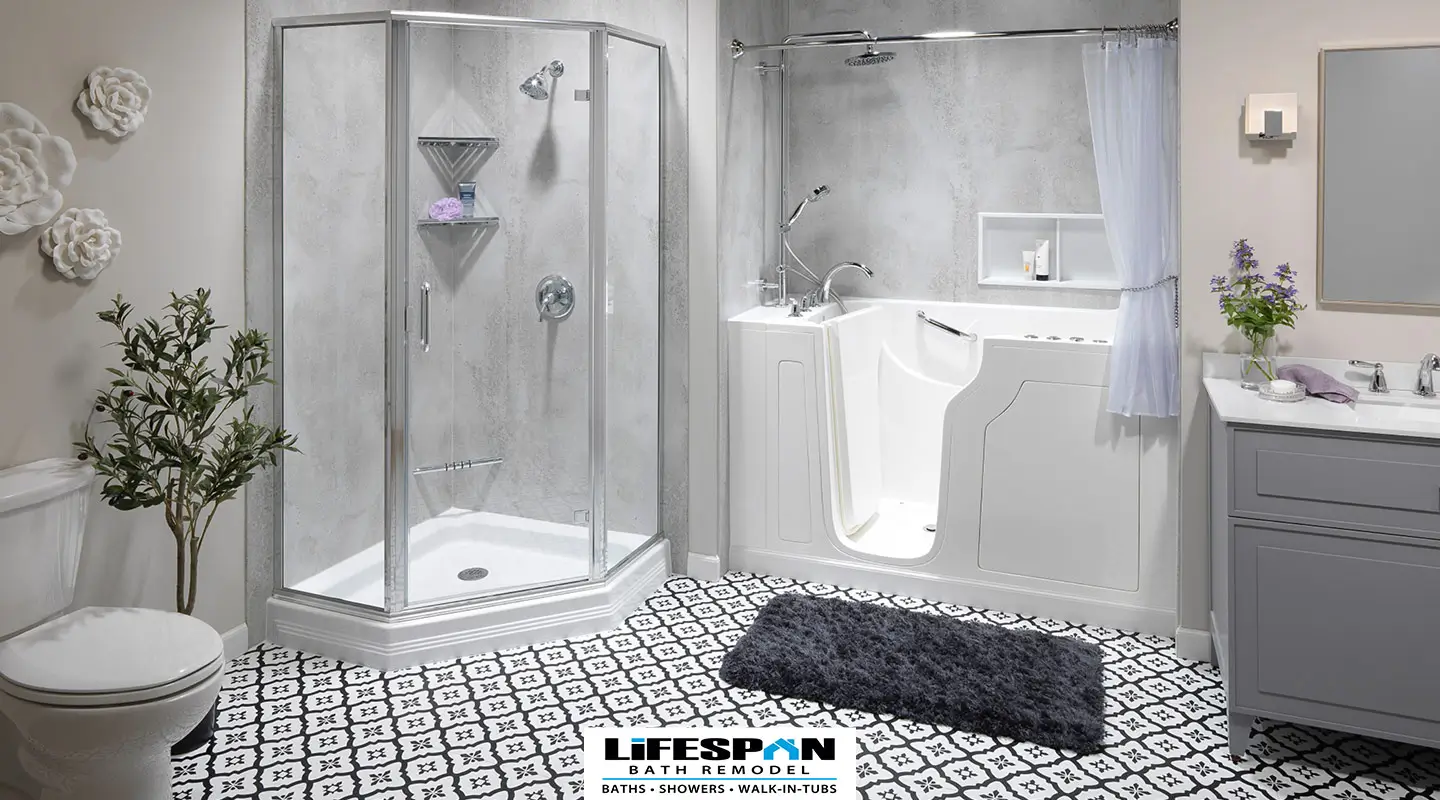
A Complete Guide to Combining Accessibility and Modern Bathroom Design

ADA Bathroom Requirements for Utah Homes: What Every Homeowner Should Know
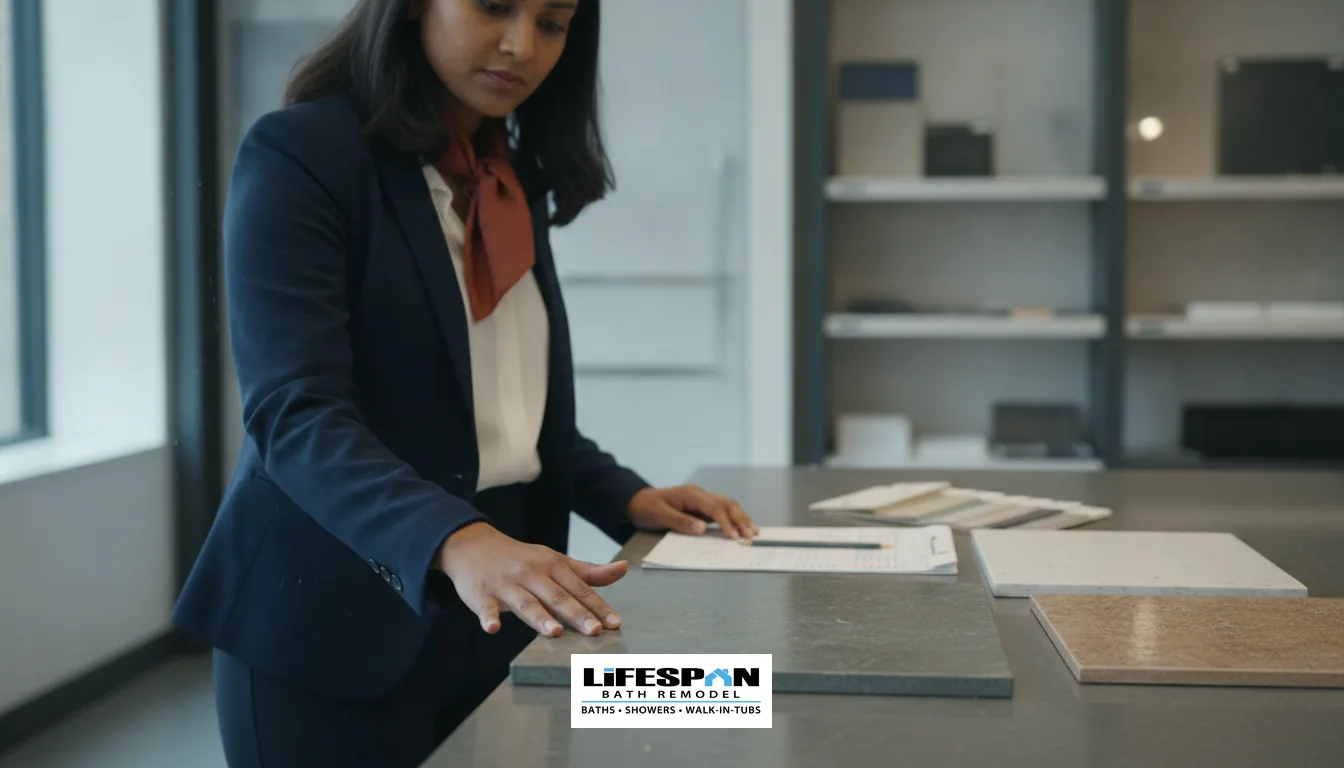
PuroStone Bathroom Surfaces: Stone Beauty Built for Real Life
Related Posts
Matt Tychsen
August 24, 2026
7 Ways to Increase Bathroom Space When Remodeling
TL;DR: Small bathroom changes can create a bigger impact than expected. Discover how smart layouts, hidden storage, compact fixtures, and design adjustments can...
August 19, 2026
Which Bathroom Safety Features Prevent the Most Falls for Seniors?
TL;DR: Explore the key bathroom safety features that help prevent senior falls, including grab bars, walk-in showers, non-slip surfaces, improved lighting, and accessible...
August 11, 2026
What Should You Prioritize When Planning a Full Bathroom Remodel?
TL;DR: Planning a full bathroom remodel requires more than choosing new fixtures and finishes. This guide covers the key steps to prioritize, from...