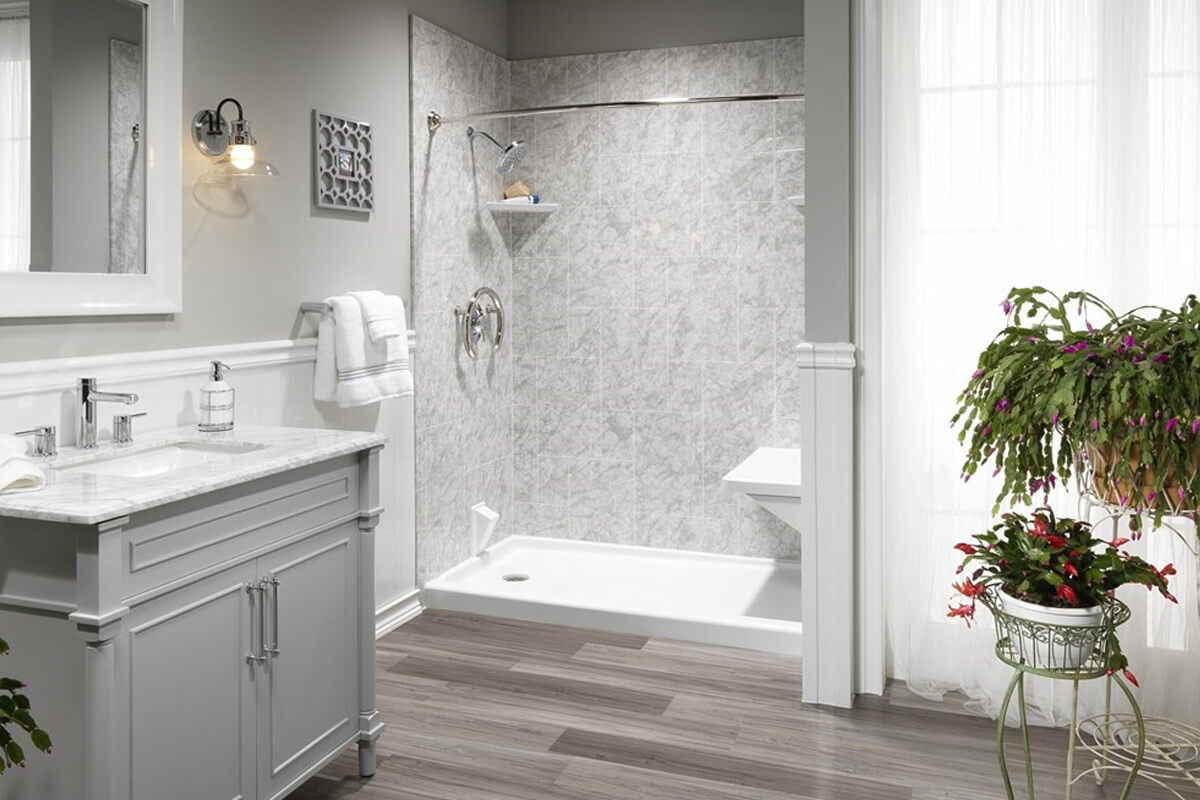

TL;DR: Planning a full bathroom remodel requires more than choosing new fixtures and finishes. This guide covers the key steps to prioritize, from layout and budgeting to materials, construction, and final details.
A full bathroom remodel is an incredibly rewarding (and potentially disruptive) project. Done right, it can be a smooth upgrade. However, it can also be one of the most stressful experiences, depending on what you prioritize.
A full update may feel overwhelming because there are so many moving pieces involved (shower, tub, tile flooring, lighting, electrical work in general, and more). Planning what to tackle beforehand will help homeowners keep the project on track, protect budgets, and reduce the chances of tearing out floor tile or new drywall because something along the way was missed.
This step-by-step guide will show you what to prioritize, decide where to spend, where to save money, and when it’s worth bringing in professional help instead of going for a full DIY project. You’ll learn:
- A successful full bathroom remodel starts with planning: layout, budget, materials, and a realistic timeline.
- Structural changes like moving plumbing, electrical wiring, or adding a walk-in shower should come before cosmetic updates like paint and new hardware.
- Bathroom remodeling costs vary significantly depending on the size of the space, the project scope, material selections, and whether plumbing or electrical systems need to be moved.
- A well-planned bathroom renovation may improve everyday functionality and make the home more appealing to future buyers.
- Working with a professional Utah remodeler like LifeSpan helps homeowners avoid expensive repairs, prevent water damage, and keep the bathroom renovation process on schedule.
What This Means For You: If your goal is a more comfortable and long-lasting bathroom, focus your budget on changes that improve daily use first, such as better storage, improved lighting, and a more efficient layout.
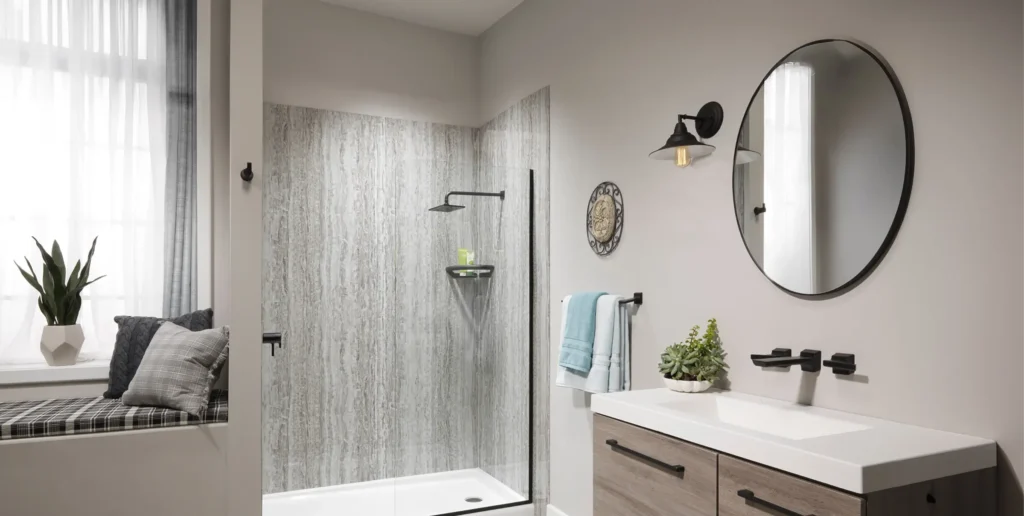
Start with Layout, Budget, and Scope
Before you think about the new fixtures you want to bring in, clean lines, or anything else for that matter, formulate a clear plan for how the room will function. Function naturally leads to choices in decor and the general layout you have in mind.
For the planning and budget process, clarify what you will be doing:
- Bathroom renovation (primarily cosmetic: paint, new tiles, new sink, new flooring).
- Bathroom remodel (bigger changes: new walk-in shower, moving plumbing, adding a window).
- Consider whether your project involves basic cosmetic updates, a full renovation, or a high-end remodel with custom materials and structural changes. The broader the scope, the more labor, planning, and specialized work the project will require.
- Remember: Labor costs can account for a significant portion of the total project price, so it is wise to leave room in the budget for unexpected conditions behind the walls.
Next, decide on layout and access, which will naturally lead into the more complicated crafts, like plumbing and electrical work:
- Decide whether you’ll:
- Keep the existing layout.
- Move the shower stall, tub, toilet, or vanity to improve access and flow.
- Consider:
- How many people share the bath or two bathrooms in the house.
- Storage for toilet paper holder, towels, and small details.
- Clearance at the door, ceiling heights, and natural light from any window.
Planning and design should always be the first steps in a bathroom renovation, or in any room renovation throughout your home, for that matter.
Getting your renovation decisions lined up and in order from the get-go is what will keep the entire project stable, guided, and organized.
Tip: Before planning your bathroom remodel, make a list of:
- Daily frustrations with your current bathroom layout
- Storage problems that need to be solved
- Features that would improve your everyday routine
- Changes that are essential versus upgrades that can wait
This helps you prioritize the improvements that will have the biggest impact on how your bathroom works.
Address Plumbing and Electrical Work
Once you have your planning and budget process organized and your layout and process in place, it’s time to get down to the nitty-gritty and adjust your focus toward what’s inside the walls and under the floor. Your plumbing priorities should include:
- Replace or reroute new pipes early; this is where full gut remodels do most of their heavy lifting.
- Consider upgrades like:
- Moving the drain to accommodate a walk-in shower
- Replacing an old bathtub or cast iron tub with an acrylic or fiberglass option
- Installing a modern showerhead or hand shower set
- Hiring a plumber helps prevent leaks and water damage, especially when changing the shower stall, tub, or toilet locations. Mistakes in plumbing can lead to expensive repairs later.
For electrical and ventilation:
- All electrical wiring and electrical work should be handled by a licensed professional. This includes:
- GFCI outlets near the sink and vanity
- Dedicated circuits for lighting, fans, and heated floor systems
- Any new fixtures in the ceiling or around the shower wall
- Install or upgrade a high-quality exhaust fan to control moisture and help prevent mold.
- Once rough plumbing and electrical work are inspected, you’re ready for new drywall and finishes.
You’ll want to deal with hidden systems early on, because it will keep the rest of your bathroom remodel from being delayed or torn apart later on, driving up costs and frustration.
Expert Perspective: Experienced remodelers typically address plumbing, electrical, and ventilation before installing finishes because these systems are difficult to modify once walls, flooring, and tile are completed.

Focus on Durable, Moisture-Resistant Materials
Moisture-resistant materials are an obvious choice, since bathrooms are perpetually exposed to moisture in the air, from the sinks, and from the shower/tub.
The materials you choose for your flooring options, shower wall, and walls in general will ultimately determine how well your bathroom renovation holds up, and how much maintenance you’ll be doing in the future.
Plus, consider the fact that proper waterproofing as you renovate will help protect your investment and keep you and your family from having to constantly maintain a space that is consistently exposed to moisture.
For the floors and walls:
- Tile floor/floor tile:
- Ceramic tile is a durable, moisture-friendly option available in a wide range of price points, styles, and finishes.
- Consider textured tile floor for better traction in wet areas.
- New flooring alternatives:
- Waterproof vinyl, luxury vinyl plank, or engineered flooring options can be easier and warmer underfoot.
- Shower wall and walk-in shower choices:
- Tile, solid-surface panels, or acrylic surrounds. Pair your choices with waterproofing membranes behind them to prevent leaks.
For finishes and textures:
- Choose fixtures and faucet styles that match your desired look.
- Decide on a new sink, vanity, and new hardware that balance storage with open space.
- Plan to install cabinets where you need them instead of filling every wall. This will keep small bathrooms from feeling too cramped.
Durable, moisture-resistant options may be a little more costly upfront. However, they will save money in the long-term, preventing issues like paint peeling off the walls, warped flooring, or other recurring water damage issues.
Key Takeaway: The best bathroom materials are the ones that match your lifestyle. A durable, easy-to-maintain option that fits your daily routine often provides more value than a material chosen only for its appearance.
Sequence the Work: Demolition to Finishing Touches
Even if you’re not doing the work yourself, or at least not all of it, you need to grasp the order of the necessary tasks. This will help others follow your bathroom remodel checklist.
For the construction sequence:
- Demolition
- Remove the old tub, shower, tile, and fixtures. This is where a reciprocating saw or a demo crew can do much of the heavy lifting for you.
- Rough work
- Update plumbing and electrical wiring. Install any new pipes or circuits.
- Structural & prep
- Install new drywall, cement board, and waterproofing membranes behind shower wall tile.
- Install the shower pan before tiling the shower, then tile and grout. Grout should dry about 24 hours before sealing.
- Surfaces & installation
- Lay new tiles on the floor or tile floor areas.
- Set vanity, new sink, toilet, and new fixtures like the shower head and bathtub filler.
- Finishing touches
- Once everything else is in place, paint the walls and ceiling.
- Install accessories like towel bars, toilet paper holder, hooks, and new hardware after the main work is done.
Full bathroom remodel timelines vary based on so many factors, though many of these projects typically take 4 to 6 weeks from the demolition process to the finishing touches. It all depends on materials, inspections, scope, how much is DIY, and how much is professionally done.
Homeowner’s Checklist: Before construction begins, confirm that you have:
- Finalized the bathroom layout
- Selected all major fixtures and materials
- Confirmed product availability
- Reviewed the expected project timeline
Don’t Overlook the Small Details and Accessibility
It’s very easy to fall into a zone of sorts, focusing solely on the big-picture items and forgetting about the little things you use every day. Small details and accessibility matter, often more so than the big ones:
- Placement of:
- Toilet paper holder and towel bars.
- Storage niches in the shower wall.
- Lighting above the vanity and in the shower.
- Choose finishing touches that support clean lines and easy cleaning. Fewer ledges and clutter means less dust and mildew.
- Consider access for everyone in the house:
- Grab bars near the tub or shower.
- Wider clearances around the toilet.
- Lowered shelves or seated zones in a walk-in shower.
Again, these things may seem small and less important in the big scheme of things, but they are very important and can drastically impact the overall function of your finished bathroom.
Common Oversight: Homeowners often focus on large upgrades like showers and flooring but overlook small placement decisions. The location of everyday items can significantly affect how comfortable and functional the bathroom feels.

Decide What to DIY and When to Get Professional Help
Some parts of the bathroom renovation process make for good DIY projects, especially for handy homeowners or homeowners who already have a trade skill under their belts. However, unless you’re a journeyman or master in everything, some renovation tasks are better left to professionals.
DIY friendly tasks:
- Painting walls and ceiling after all other work is completed.
- Installing accessories (toilet paper holder, towel bars, mirrors).
- Assembling simple stock vanities or adding new hardware.
- Swapping out basic fixtures like light fixtures or a showerhead (with power off and instructions followed).
Hire professionals for:
- Complex plumbing and electrical work.
- Waterproofing, tile setting, and new flooring installations.
- Structural changes (moving a window, adjusting framing, or addressing structural water damage).
Professional help may increase upfront costs, but it can also reduce the risk of expensive mistakes and prolonged delays. This is especially true if you’re in a one-bathroom or one-and-a-half bath home.
Decision Guide: A good rule of thumb is to do DIY projects where mistakes are easy to correct and hire professionals for work where errors can affect safety, structure, or water protection.
Start Your Full Bathroom Remodel with a Solid Plan
A full bathroom remodel will transform the entire look and function of the room. However, it can only do this if you prioritize the right steps in the right order. Kick things off with extensive planning, layout, and budget. From there, shift toward knocking out the electrical and plumbing early on.
Pick out your favorite fixtures and choose durable flooring options while saving the finishing touches for last. Ultimately, this step-by-step process will save you money, reduce surprises, and protect your investment.
If you’re ready for a helping hand in turning your bathroom remodel ideas into a bathroom remodel checklist, LifeSpan Bath Remodel will help make the entire process much easier. As Utah’s trusted bathroom remodeling contractor, we can guide you through the design process, installation, and all the behind-the-scenes details that will maintain your budget and your patience.
To walk through your goals and see what a professionally planned full bathroom remodel will look like in your home, contact us and schedule a consultation today to get a free assessment. A better, more functional bathroom doesn’t have to be a herculean task. You just need the right team on your side.
Frequently Asked Questions
What should I prioritize first in a full bathroom remodel?
Start with planning the layout, budget, and scope of the project. Address plumbing, electrical work, and structural changes before choosing cosmetic upgrades.
How long does a full bathroom remodel usually take?
A full bathroom remodel typically takes 4 to 6 weeks, depending on the project size, materials, inspections, and complexity of the work involved.
What is the most expensive part of a bathroom remodel?
Labor-intensive work like plumbing changes, electrical updates, custom tile installation, and structural modifications often have the biggest impact on remodeling costs.
Should I move plumbing during a bathroom renovation?
Moving plumbing can improve bathroom functionality and layout, but it increases project complexity. It is most useful when creating better flow or adding features like a walk-in shower.
Can I remodel my bathroom myself or should I hire a professional?
DIY works well for smaller updates like painting or installing accessories. Professional help is recommended for plumbing, electrical work, waterproofing, and structural changes.
Questions? Talk to a Pro.
We beat any competitor by $100! Call for details. (801) 532-2000
Recent articles
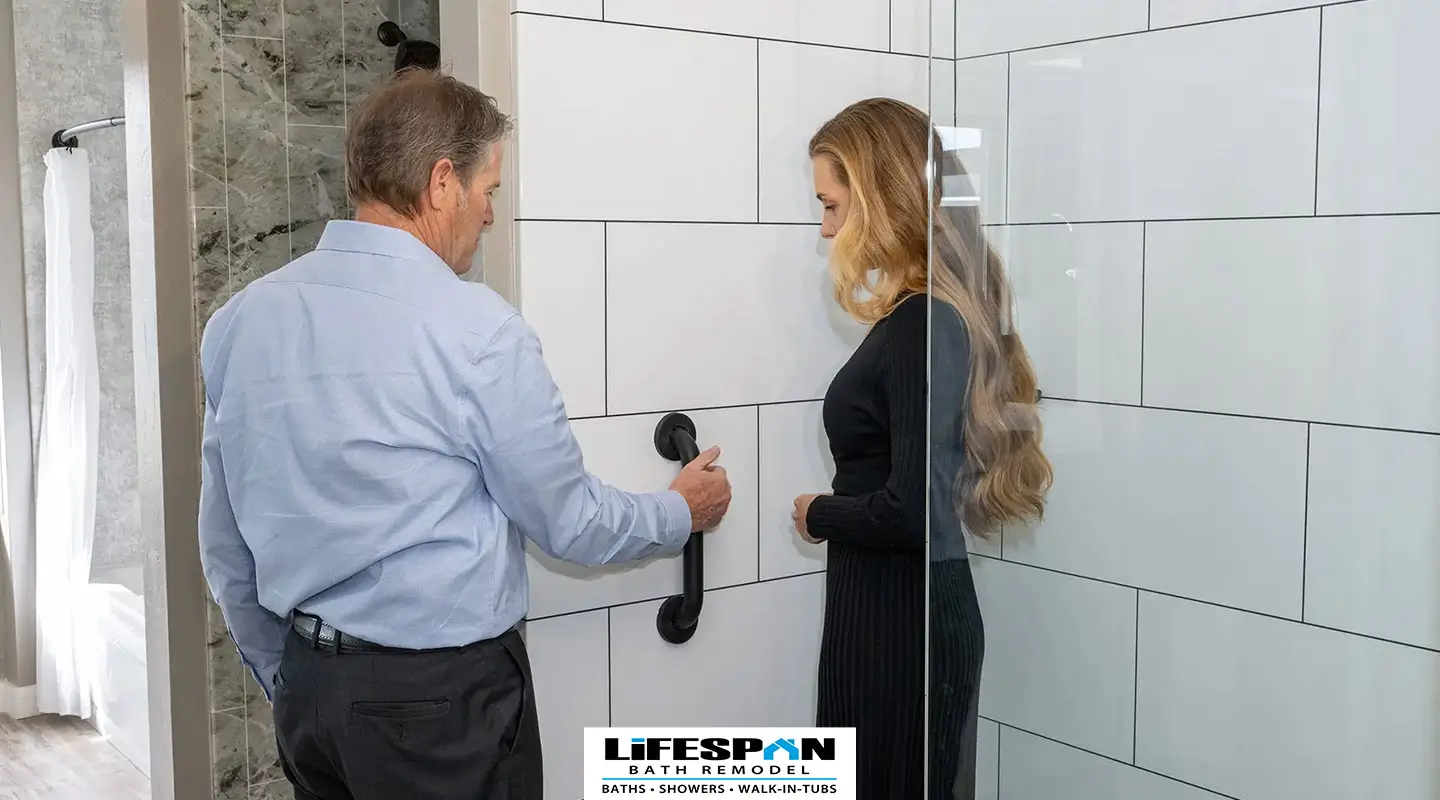
What Homeowners Should Know Before Choosing PuroStone for Their Shower Remodel

How to Decide If Your Bathroom Needs a Partial Upgrade or a Full Bathroom Remodel

What Bathroom Design Features Help Reduce Daily Maintenance?

What Causes Bathroom Remodeling Projects to Fail and How Can Homeowners Avoid Them?

What Are the Best Bathroom Upgrades for Aging Parents Living at Home?
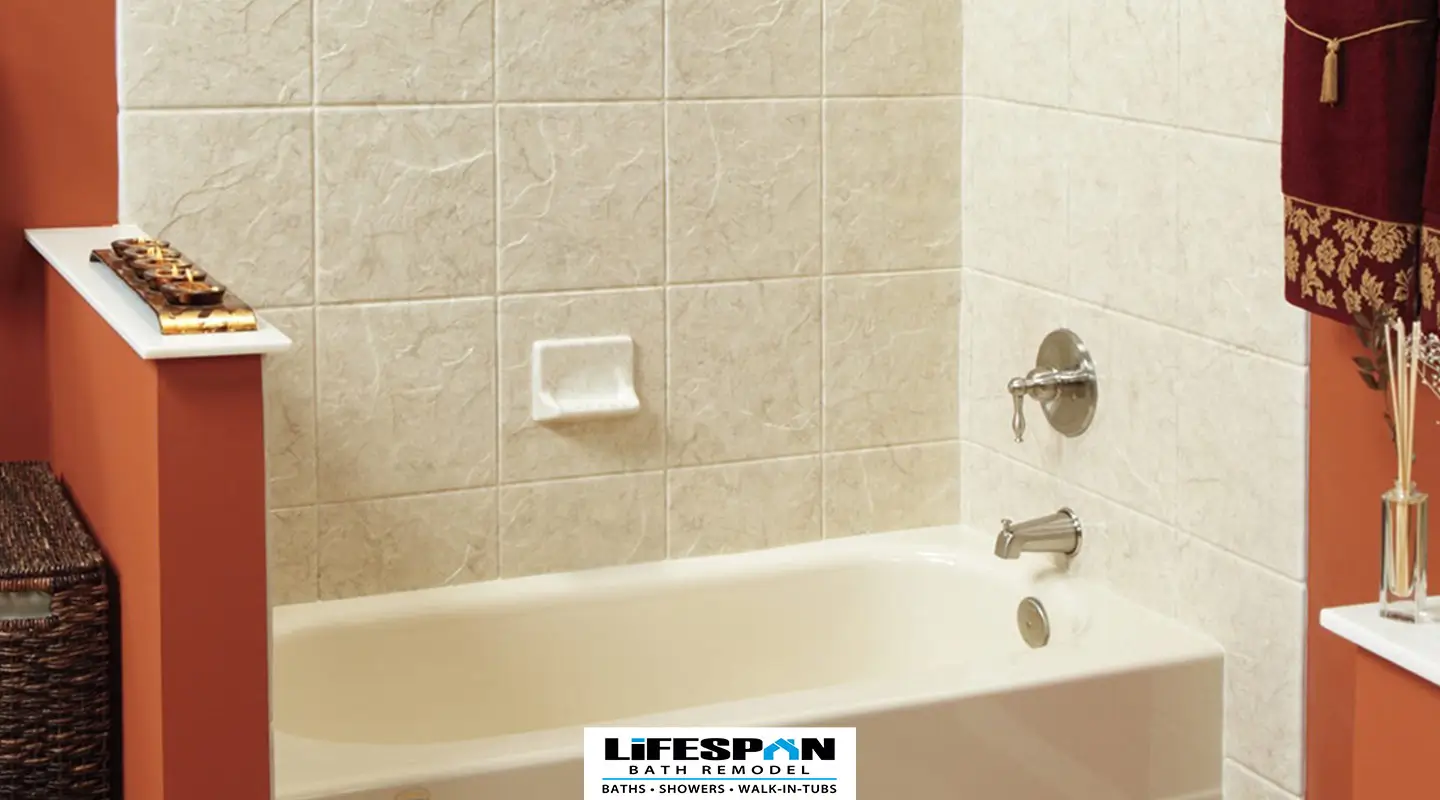
7 Ways to Increase Bathroom Space When Remodeling

Which Bathroom Safety Features Prevent the Most Falls for Seniors?
What Should You Prioritize When Planning a Full Bathroom Remodel?
Related Posts
Matt Tychsen
October 1, 2026
What Homeowners Should Know Before Choosing PuroStone for Their Shower Remodel
TL;DR: Is PuroStone a Good Choice for a Shower Remodel? PuroStone may appeal to homeowners who want a clean shower look, fewer visible...
September 22, 2026
How to Decide If Your Bathroom Needs a Partial Upgrade or a Full Bathroom Remodel
Not every dated bathroom needs to be completely torn apart. Sometimes a few well-chosen updates can make the space feel new again. Other...
September 16, 2026
What Bathroom Design Features Help Reduce Daily Maintenance?
Some bathrooms feel harder to keep clean because their design traps moisture, soap residue, and clutter. Homeowners comparing bathroom remodeling considerations can reduce...