Key Takeaways
- Bathroom materials for Utah winters should handle moisture, temperature changes, and regular bathroom use.
- Porcelain is a practical choice for many floors and shower areas.
- Acrylic, fiberglass, and wall panels can reduce grout and routine cleaning.
- Moisture resistant bathroom materials work well in areas exposed to regular water.
- A bathroom under 50 square feet benefits from materials that support efficient use of the existing footprint.
- Large-format surfaces can reduce visual clutter and grout lines.
- Radiant floor heating can add comfort during cold weather when planned with the flooring system.
- Material selection should consider the shower dimensions, drainage, waterproofing, maintenance, and overall layout.
A bathroom may take up only a few dozen square feet, but every surface has to withstand daily use. Floors need to handle wet feet and repeated cleaning, while shower walls face constant moisture. Fixtures and finishes also need to hold up through Utah’s cold winters, dry indoor heat, and seasonal temperature shifts.
Those conditions make climate a practical consideration when choosing bathroom materials for Utah winters.
In 2025, Utah recorded its warmest year on record, with the state’s average temperature reaching 4.3°F above its 20th-century average, according to NOAA’s National Centers for Environmental Information. While an annual average does not capture every winter or summer day, it shows the range of conditions materials may need to withstand throughout the year.
That is why a small bathroom remodel should involve more than choosing finishes based on color or appearance. The right materials should suit the room’s moisture levels, temperature conditions, cleaning needs, comfort, and limited floor space. Looking at all of these factors together can help homeowners choose finishes that fit both the design and the demands of the space.
What Should You Look for in Bathroom Materials for Utah Winters?
The best bathroom materials for Utah winters need to perform well in a room where moisture and temperature changes meet every day. A material that looks good in a showroom may not be the right choice for a shower floor or a bathroom located against an exterior wall.
Think Beyond Temperature: Winter performance is only one part of material selection. A bathroom material also needs to suit the amount of water exposure, cleaning it will receive, the available space, and how it will be installed. Looking at these factors together can help avoid choosing a material based on climate alone.
Here are the three factors that deserve close attention:
Moisture Resistance Matters in Cold Weather
Bathrooms generate moisture every time someone takes a shower or bath. Warm, humid air can meet cooler walls, floors, windows, and exterior surfaces. That makes water resistance especially relevant in a cold-weather bathroom.
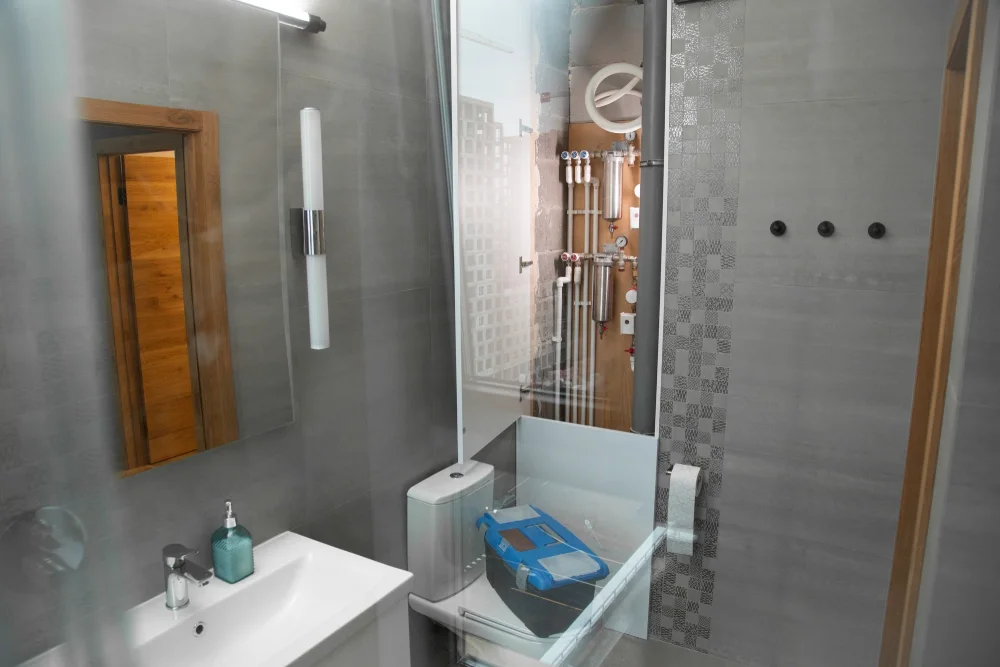
Look for surfaces designed for bathroom use and pair them with proper waterproofing, ventilation, and installation methods. Tile, acrylic, fiberglass, and specialized wall panels can all work well when installed according to their intended application.
Durability Matters in Small Bathrooms
A bathroom under 50 square feet may have less surface area, but its materials still face the same daily demands. In a compact walk-in shower, the walls and floor can be exposed to repeated moisture, cleaning, and foot traffic, making material durability especially relevant.
Choosing durable finishes can help limit premature repairs while keeping the bathroom’s appearance consistent as the space continues to see regular use.
Maintenance Should Fit Your Routine
A material with dozens of grout joints may require more cleaning than a large-format surface or wall panel. Likewise, some natural materials need sealing and more careful maintenance.
Think about how much time you want to spend cleaning before selecting the finish. Low-maintenance materials can be particularly useful in a small bathroom where shower surfaces are close together and easier to notice.
Pro Tip: Material performance depends on more than the surface itself. Proper ventilation, waterproofing, and installation can have a major effect on how well your bathroom holds up through Utah’s seasonal conditions.
Best Bathroom Materials for Cold Climates in Utah
The right material depends on where it will be used, how much moisture and wear it will face, and how it fits the size and layout of your bathroom. Here are several options to consider for a Utah bathroom remodel:
Match the Material: There is no single material that works best for every bathroom surface. A shower floor, shower wall, bathroom floor, and backsplash face different levels of moisture, traction, and wear. Choose each material based on where it will be installed rather than using the same finish throughout the room.
Porcelain Tile for Floors and Shower Areas
Porcelain is one of the bathroom materials for Utah winters. Its dense composition and low water absorption make it well suited to areas that experience regular moisture.
It can work on bathroom floors, shower walls, and other wet-area surfaces when the selected product is rated for the application. Porcelain also comes in large formats, wood-look designs, stone-look finishes, and textured options.
For a small bathroom, larger tiles can reduce the number of grout lines and create a cleaner visual appearance.
Ceramic Tile for Walls and Lower-Traffic Areas
Ceramic tile can be a useful option for interior bathroom walls, backsplashes, and suitable floors. It typically offers a broad selection of colors and patterns while remaining practical for many interior applications.
The key is matching the product to the location. A ceramic tile designed for an interior wall should not automatically be used on a shower floor or an area exposed to freezing conditions.
Acrylic and Fiberglass Shower Systems
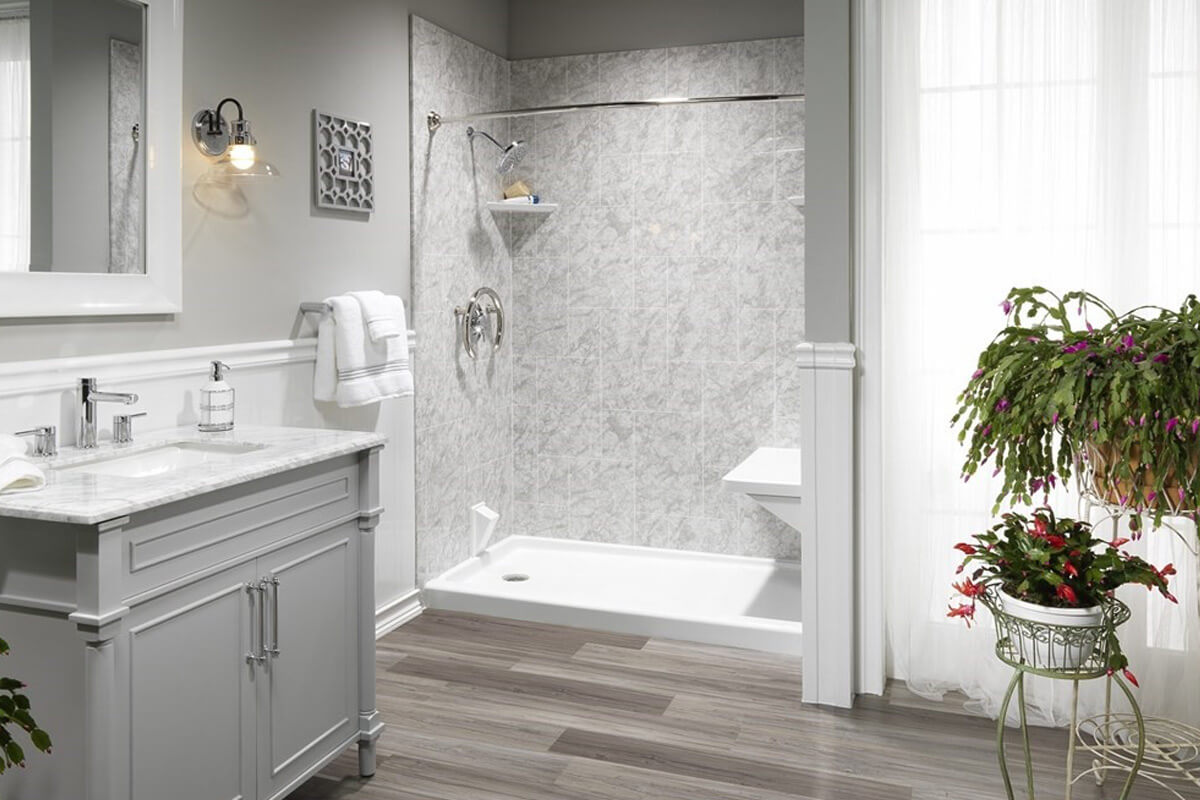
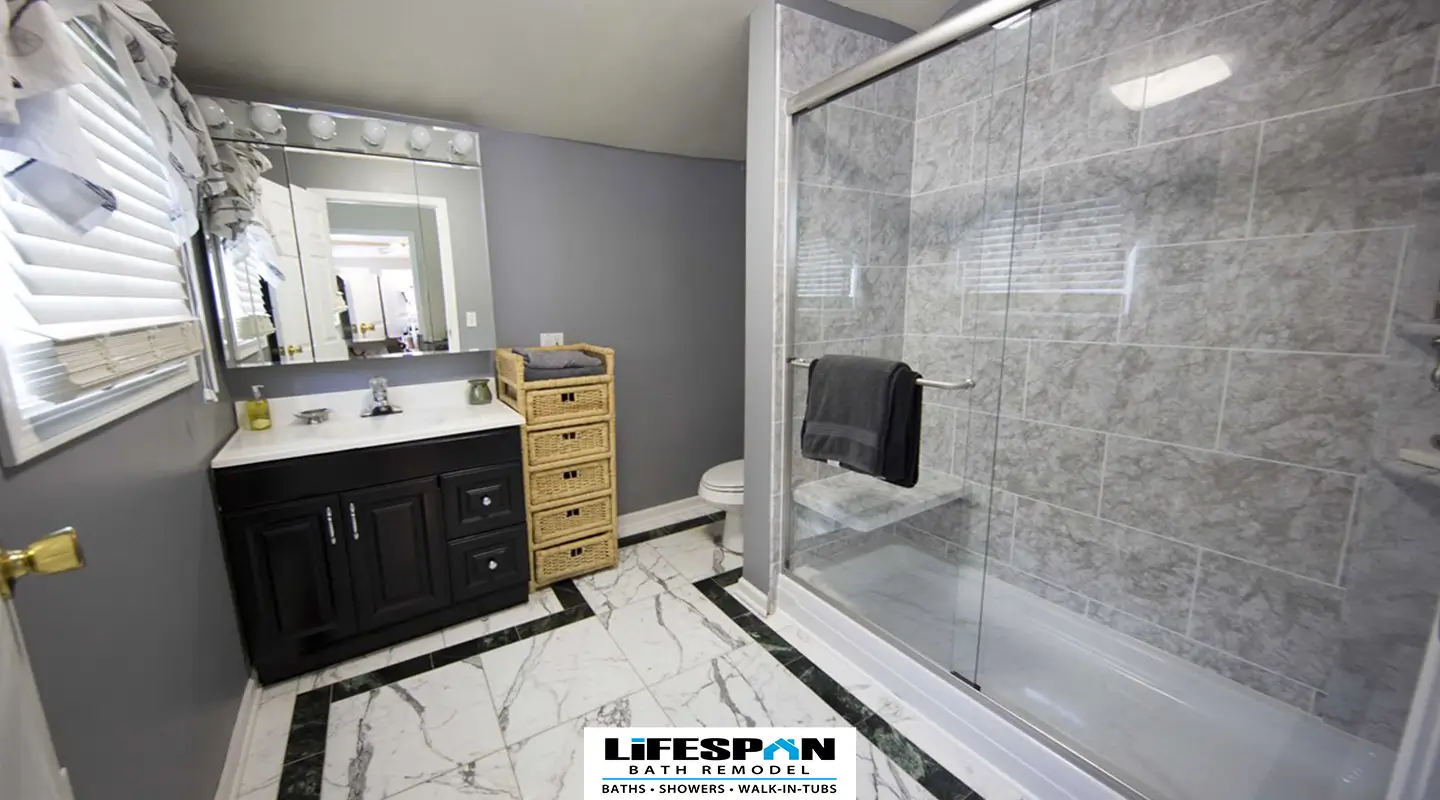
Acrylic and fiberglass are especially useful for homeowners replacing an older tub with a walk-in shower. These systems can create a finished shower with fewer grout lines than a fully tiled installation.
They are also relatively easy to clean, which makes them appealing for compact bathrooms. The exact product, installation method, shower base, and wall system should be selected together rather than as separate pieces.
Moisture-Resistant Wall Panels
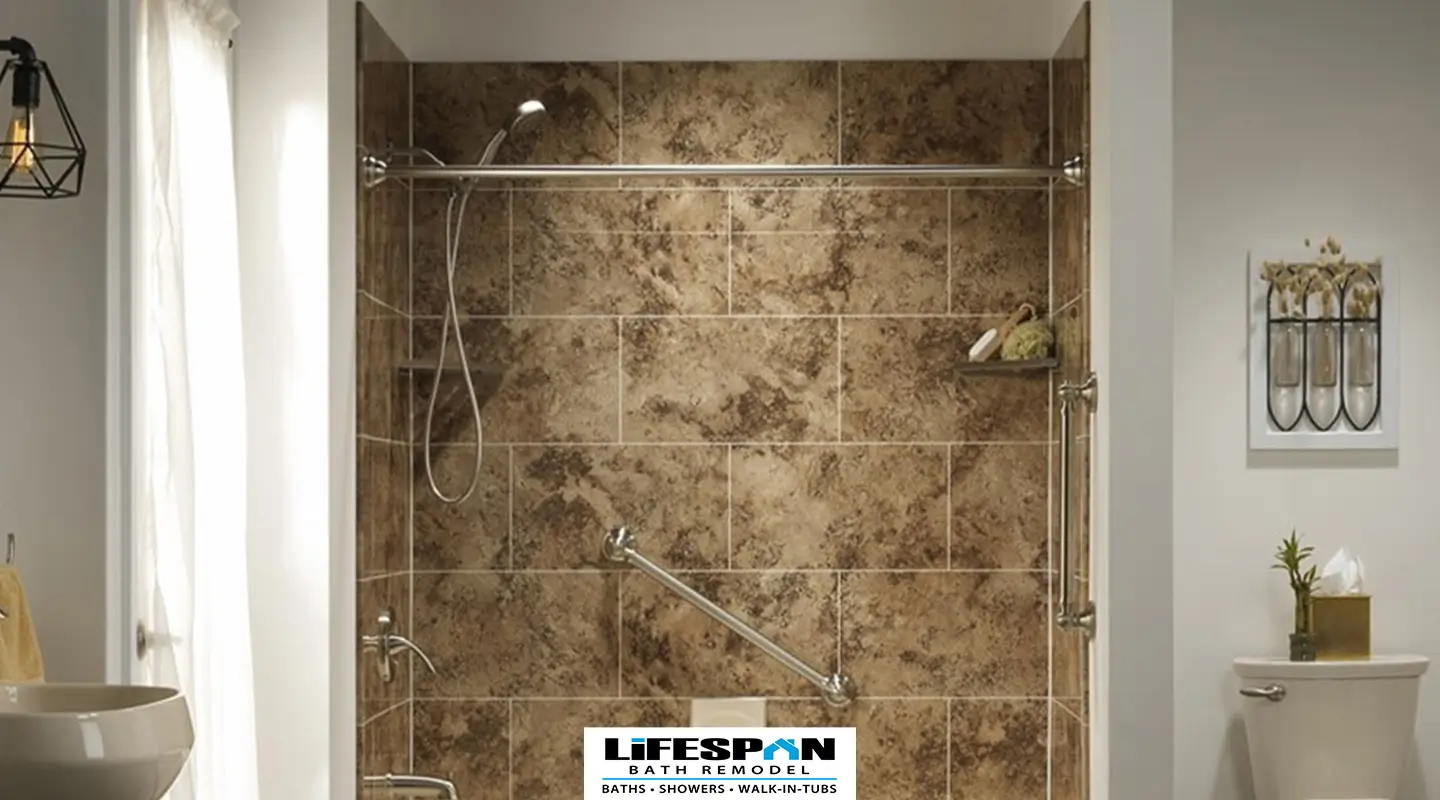
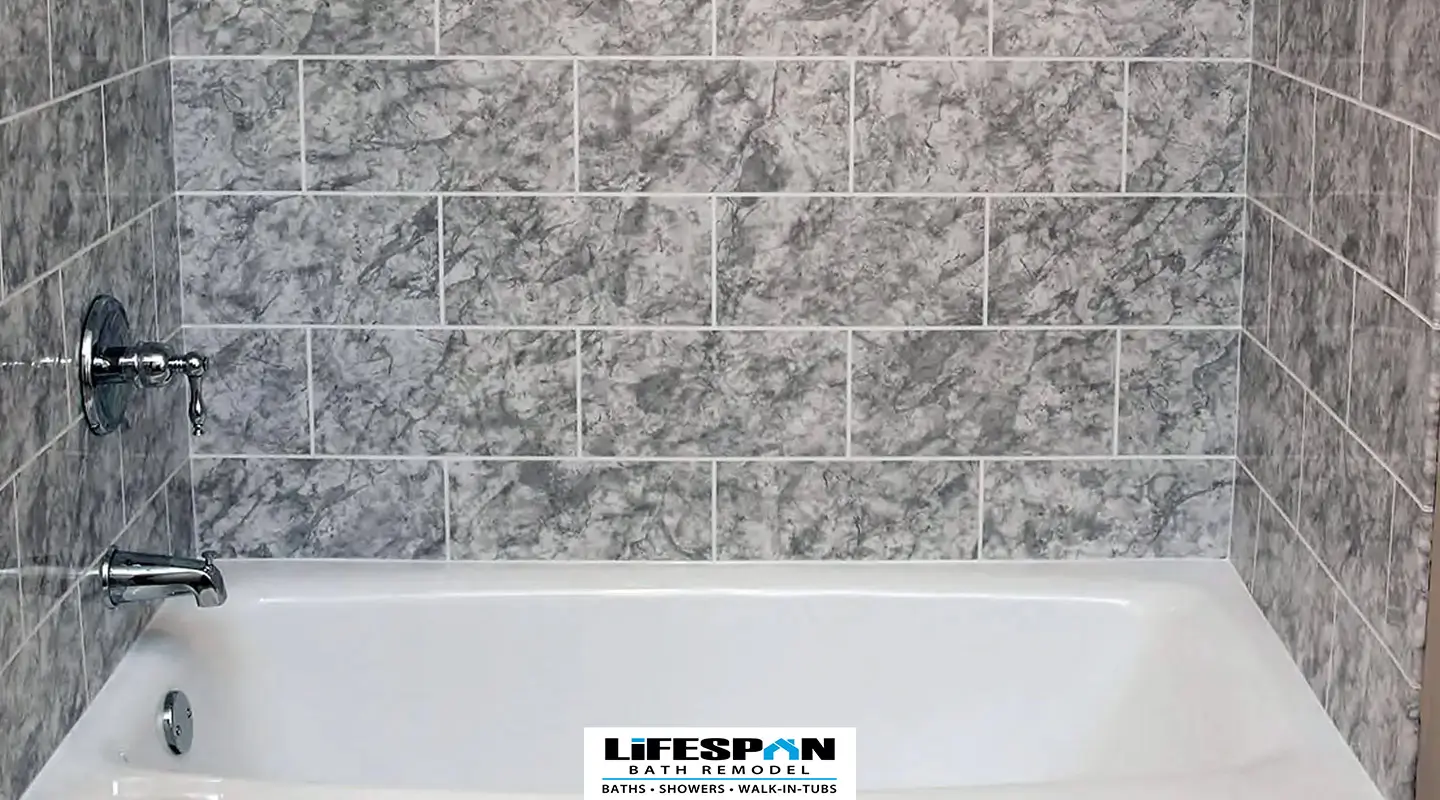
Wall panels provide another option for shower surrounds. Depending on the product, they can create a continuous surface with fewer joints than conventional tile.
For homeowners who want less grout maintenance, this can be a practical choice. The panel system still needs proper installation around corners, seams, fixtures, and penetrations.
Material Tip: Choose each surface based on its intended location. A material that works well on a bathroom wall may not have the traction, water resistance, or durability needed for a shower floor.
What Is the Best Bathroom Flooring for Cold Climates?
Flooring has to balance moisture resistance with traction, comfort, maintenance, and appearance. The right bathroom flooring for cold climates also depends on whether the bathroom sits over a heated area and how much natural temperature variation reaches the room.
Porcelain Tile for Cold-Weather Bathroom Floors
Porcelain is a strong flooring choice for many Utah bathrooms. It is durable, available in slip-resistant finishes, and suitable for areas where water exposure is common.
For shower floors, smaller tiles can be useful because the additional grout joints provide more opportunities for traction and help installers follow the slope toward the drain. Larger tiles can work better on the main bathroom floor when the layout allows it.
Luxury Vinyl Flooring for Suitable Bathroom Applications
Water-resistant or waterproof luxury vinyl products can offer a warmer-feeling alternative to tile. They are available in many wood and stone appearances and can be easier on bare feet than traditional tile.

The specific product rating and installation requirements matter. The subfloor should be dry, sound, and properly prepared, particularly in bathrooms where moisture exposure is routine.
Heated Bathroom Floors for Utah Winters
Radiant floor heating can make a tile bathroom more comfortable during cold weather. Porcelain and ceramic tile are both commonly compatible with radiant heating systems when the complete flooring assembly is designed for that use.
The heating system should be planned before the flooring is installed. This gives the installer a chance to coordinate the heating elements, subfloor, waterproofing, flooring, and controls.
Flooring Tip: Bare-foot comfort matters in a bathroom, especially during Utah winters. Consider how the flooring will feel underfoot alongside its moisture resistance and maintenance needs.
Best Materials for a Small Bathroom Under 50 Square Feet
NAHB reported that 73% of remodelers surveyed considered bathroom remodeling common to very common among their 2025 projects. That demand reflects how much homeowners value functional bathroom updates (especially in smaller spaces where every square foot matters).
A small bathroom leaves little room for wasted space, so material and layout choices need to work together. The goal is not simply to fit the shower, toilet, vanity, and storage into the room, but to create a layout that feels comfortable, practical, and easy to use.
Choose Large-Format Tile to Reduce Visual Clutter
Large-format wall and floor tile can make a compact bathroom feel more open and less fragmented by reducing the number of grout lines across the surfaces.
The right tile size, however, depends on how the space is laid out and how the tile will be installed. Shower slope, drain placement, wall dimensions, and installation requirements should all be considered before choosing a format.
Use Light-Colored, Moisture-Resistant Wall Materials
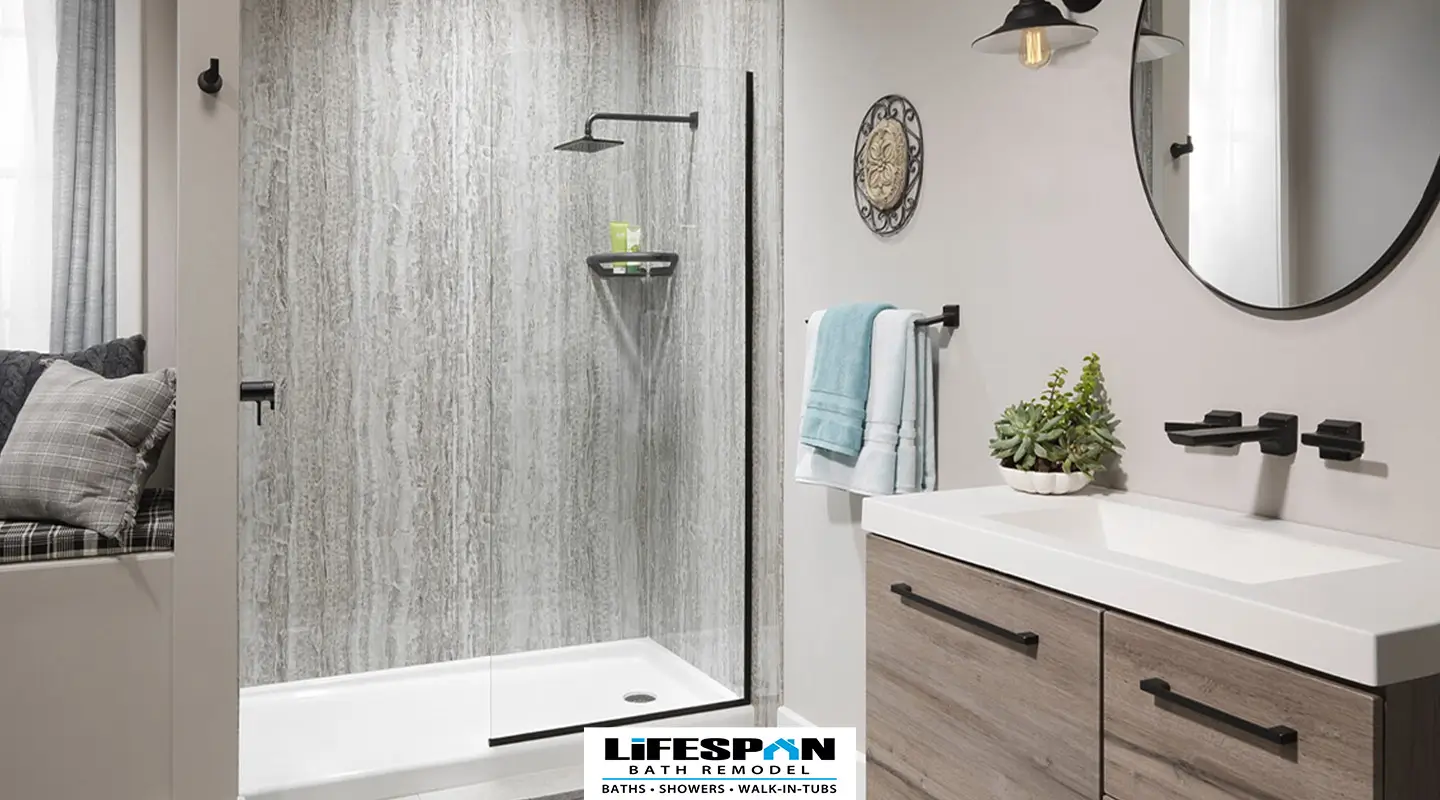
Light colors can help reflect available light and make a small bathroom feel more open. White, warm gray, beige, and other softer shades can work well with both modern and traditional designs.
So, pair the color choice with a surface that can handle bathroom moisture.
Select Materials That Work With a Walk-In Shower
A walk-in shower takes up a significant portion of a small bathroom, so its dimensions need to be considered before material selections are finalized.
Measure the existing shower or tub footprint, wall-to-wall dimensions, door location, toilet clearance, vanity depth, and drain position. Keeping the shower in roughly the same location can reduce unnecessary changes to plumbing and preserve usable floor space.
Space Tip: In a compact bathroom, material choices can affect how spacious the room feels. Consistent finishes, fewer grout lines, and lighter surfaces can help create a cleaner visual flow.
How Do Bathroom Materials Affect a Walk-In Shower Upgrade?
A walk-in shower needs materials that handle moisture, provide proper drainage, and fit the available space. Here are the key factors to consider:
Build Around the Drain: The shower floor, drain location, base, waterproofing, and finished wall surfaces need to be planned together. A change to one component can affect the others, particularly in a compact bathroom where there is little room to adjust the layout later.
Shower Floor Materials Need Grip and Drainage
The shower floor should provide appropriate slip resistance while allowing water to move efficiently toward the drain.
Smaller porcelain tiles are frequently useful for shower floors because they can follow a sloped surface more easily than very large pieces. Textured finishes may also provide additional traction, but they should remain practical to clean.
Shower Walls Should Handle Daily Moisture
Shower walls receive direct and repeated water exposure. Porcelain, ceramic, acrylic, fiberglass, and specialized wall panels can all be considered depending on the desired appearance and maintenance level.
The wall surface is only one part of moisture control. Waterproofing behind the finished surface and properly sealed transitions around fixtures and corners are also part of the installation.
Keep the Existing Footprint When Space Is Limited
For bathrooms under 50 square feet, changing the entire shower location may reduce usable space or create additional plumbing work.
A carefully designed replacement can improve the shower while working within the existing footprint. That may leave more room for a comfortable toilet position, vanity, storage, or wider circulation path.
Installation Note: Coordinate the shower base, drain, waterproofing, wall materials, and fixtures before installation begins. Changes later can affect both the available space and the finished result.

How to Choose Bathroom Materials for a Cold-Weather Renovation
A good bathroom renovation for cold weather starts with the room itself rather than a single material.
Consider Where the Bathroom Sits in the Home
A bathroom surrounded by conditioned rooms may experience less temperature variation than one located beside an exterior wall, above an unheated space, or next to an exterior door.
Check insulation, windows, ventilation, and areas where cold air may enter. Materials cannot compensate for an underlying building-envelope problem.
Match Materials to Moisture Exposure
A shower wall needs a different performance profile from a dry accent wall. Likewise, a bathroom floor needs to tolerate wet feet and routine cleaning.
Divide the room into wet and dry zones before choosing materials. This makes it easier to select surfaces based on actual exposure rather than using one finish everywhere.
Think About Cleaning and Long-Term Maintenance
Consider grout width, sealing requirements, surface texture, cleaning products, and access to corners or joints.
For homeowners who want fewer cleaning tasks, acrylic, fiberglass, and large-format wall systems can reduce the number of grout joints in the shower.
Check Material Compatibility Before Installation
Material selection should happen alongside decisions about waterproofing, subfloor preparation, adhesives, grout, drainage, and radiant heating.
A beautiful tile can still perform poorly when the supporting system is not prepared correctly. The entire assembly needs to work together.
Solve the Room First: If a bathroom has insulation, ventilation, moisture, or cold-air problems, changing the surface material alone will not address the underlying issue. Identify those conditions before choosing finishes so the renovation improves both performance and appearance.
What Are the Best Moisture Resistant Bathroom Materials?
The following comparison gives homeowners a starting point:
| Materials | Moisture Resistance | Maintenance | Good For |
| Porcelain tile | High | Low to moderate | Floors and shower areas |
| Ceramic tile | Moderate to high | Moderate | Walls and suitable floors |
| Acrylic | High | Low | Shower walls and bases |
| Fiberglass | High | Low | Shower systems |
| Wall panels | High | Low | Shower walls |
| Luxury vinyl | High for suitable products | Low | Bathroom floors |
Note: The best choice depends on the exact location, product specifications, installation system, and homeowner priorities.
Planning Your Utah Bathroom Remodel
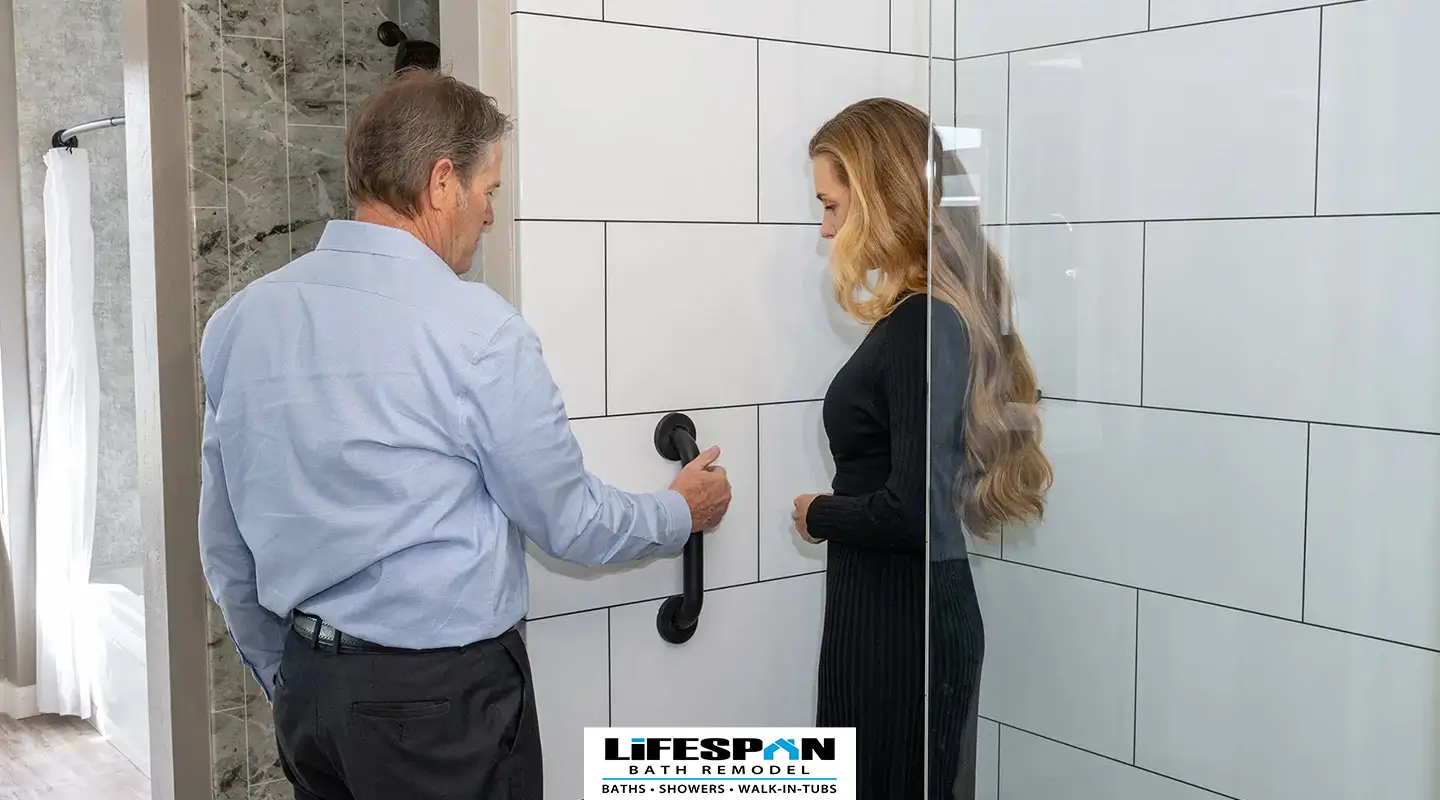
LifeSpan Home Improvement can help evaluate the space and develop a remodel around its existing dimensions, functionality, and material needs.
With experience in bathroom remodeling across Utah, our team can help homeowners consider options for walk-in showers, flooring, wall surfaces, and other upgrades based on how the bathroom will be used.
Frequently Asked Questions
1. What are the best bathroom materials for Utah winters?
Porcelain tile, acrylic, fiberglass, and suitable moisture-resistant wall systems are practical choices for many Utah bathrooms. The right combination depends on the location of each surface, moisture exposure, maintenance preferences, and the existing bathroom layout.
2. Is porcelain tile good for Utah bathrooms?
Yes. Porcelain is durable, has low water absorption, and works well for many bathroom floors and shower applications. Choose a product rated for the intended location and pair it with proper installation and waterproofing.
3. What is the best bathroom flooring for cold climates?
Porcelain tile is a strong option for durability and moisture resistance. Suitable luxury vinyl can provide a warmer feel underfoot, while radiant heating can add comfort beneath compatible flooring.
4. Are acrylic shower walls good for cold climates?
Acrylic shower walls can work well in Utah bathrooms because they resist moisture and are relatively easy to maintain. Their performance depends on the quality of the product, supporting structure, waterproofing, and installation.
5. What materials are best for a small bathroom walk-in shower?
Porcelain tile, smaller-format shower-floor tile, acrylic, fiberglass, and wall panels are all options. The choice should account for shower dimensions, drainage, maintenance, traction, and the desired visual style.
6. Should I keep the same shower footprint in a small bathroom?
Keeping the existing footprint can be practical when space is limited. It may preserve plumbing locations and leave more usable room for the toilet, vanity, storage, and shower entry. A layout review can determine whether changing the footprint provides enough benefit to justify the additional work.
7. How can I make a small Utah bathroom feel warmer in winter?
Radiant floor heating, appropriate insulation, warmer-toned finishes, comfortable lighting, and flooring that feels pleasant underfoot can all contribute to a warmer bathroom experience. Material selection should work alongside the room’s heating and insulation rather than trying to compensate for deficiencies in either.
Questions? Talk to a Pro.
We beat any competitor by $100! Call for details. (801) 532-2000
Recent articles
Best Bathroom Materials for Utah Winters and Temperature Changes

How Winter Weather Can Affect Your Bathroom Remodel Timeline
7 Ways to Remodel a Bathroom Without Removing Tiles

5 Factors That Affect the Tub-to-Shower Conversion Timeline
What’s the Ideal Walk-In Shower Size for a Small Utah Bathroom
10 Factors to Consider Before Installing a Walk-In Shower
What Homeowners Should Know Before Choosing PuroStone for Their Shower Remodel
How to Decide If Your Bathroom Needs a Partial Upgrade or a Full Bathroom Remodel
Related Posts
Matt Tychsen
November 19, 2026
Best Bathroom Materials for Utah Winters and Temperature Changes
A bathroom may take up only a few dozen square feet, but every surface has to withstand daily use. Floors need to handle...
November 10, 2026
How Winter Weather Can Affect Your Bathroom Remodel Timeline
A cold Utah morning does not have to put your bathroom renovation on hold. The concern about winter delays is reasonable, given that...
November 4, 2026
7 Ways to Remodel a Bathroom Without Removing Tiles
Picture this: you walk into your bathroom and notice that the layout still suits your needs, the fixtures work well, and the existing...