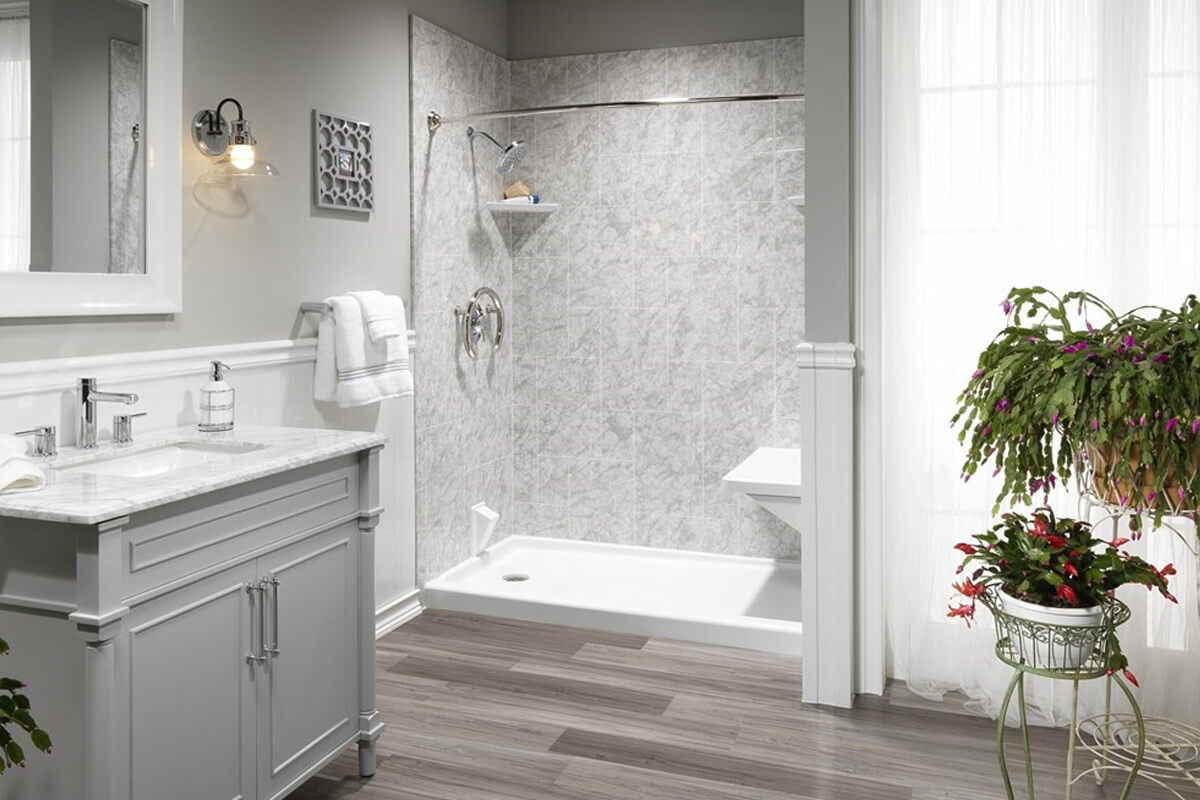

TL;DR: Explore the key bathroom safety features that help prevent senior falls, including grab bars, walk-in showers, non-slip surfaces, improved lighting, and accessible fixtures designed for safer daily routines.
For many older adults, the bathroom can be one of the most hazardous rooms in the home. Wet areas, slippery surfaces, and tight corners aren’t always designed to be the most accommodating. Most falls occur inside the home, with the bathroom the predominant location, especially for adults older than 65.
Fortunately, installing bathroom safety features can dramatically lower the risk without turning the space into something that resembles a sterile, hospital environment. Studies show that properly installed grab bars can increase a person’s ability to recover their balance by roughly 75.8%, and bathroom modifications in general can reduce fall risk by 40%.
If you’re caring for elderly family members, you don’t have to choose between safety and aesthetics. Modern safety options include stylish grab bar designs, subtle non-slip flooring, and barrier-free shower layouts that make the room a safer environment while still feeling comfortable and visually appealing.
In this guide, we’ll go over how to plan these upgrades, but it also helps to think about these three goals:
- Reduce fall risk from slippery floors, sharp corners, and tripping hazards.
- Support balance and mobility during everyday bathroom tasks like bathing, standing up from the toilet, or stepping into a tub or shower.
- Protect comfort and independence, so your loved one can keep up their self-care routine with more peace of mind.
In Short: The safest bathrooms are designed around how people move, not just how they look. Good planning reduces risks while keeping the space comfortable and welcoming.

Why Bathroom Falls Are So Common for Seniors
Before selecting any specific safety features, it’s a good idea to go over and fully understand where and why falls happen. The common risk factors include:
- Slippery floors from wet shower spray or spilled body wash and cleaning supplies.
- High tub edges and shower stalls that require stepping over a lip.
- Poor lighting that makes it hard to see slippery surfaces or sharp edges.
- Low toilet seats and deep bathtubs that demand more strength than someone with limited mobility or balance issues might have.
- Minimal places to hold on for extra support, especially near the tub or walk-in shower.
Because bathrooms are compact, a single misstep can easily lead to falls and other accidents. For older adults with mobility challenges, these hazards turn routine, everyday bathroom tasks into one of the leading causes of home injuries.
Key Takeaway: Bathroom safety is not only about preventing falls; it is also about helping seniors maintain independence during everyday activities like bathing, grooming, and using the toilet.
Grab Bars: Small Hardware, Big Impact
If you ultimately decide to add only one thing to make the bathroom a safer place, make it securely installed, well-placed grab bars.
- Research shows that people using grab bars are roughly 75.8% more likely to recover their balance while stepping in or out of a tub or shower.
- Homes equipped with grab bars and similar devices report around a 30–40% reduction in fall‑related injuries.
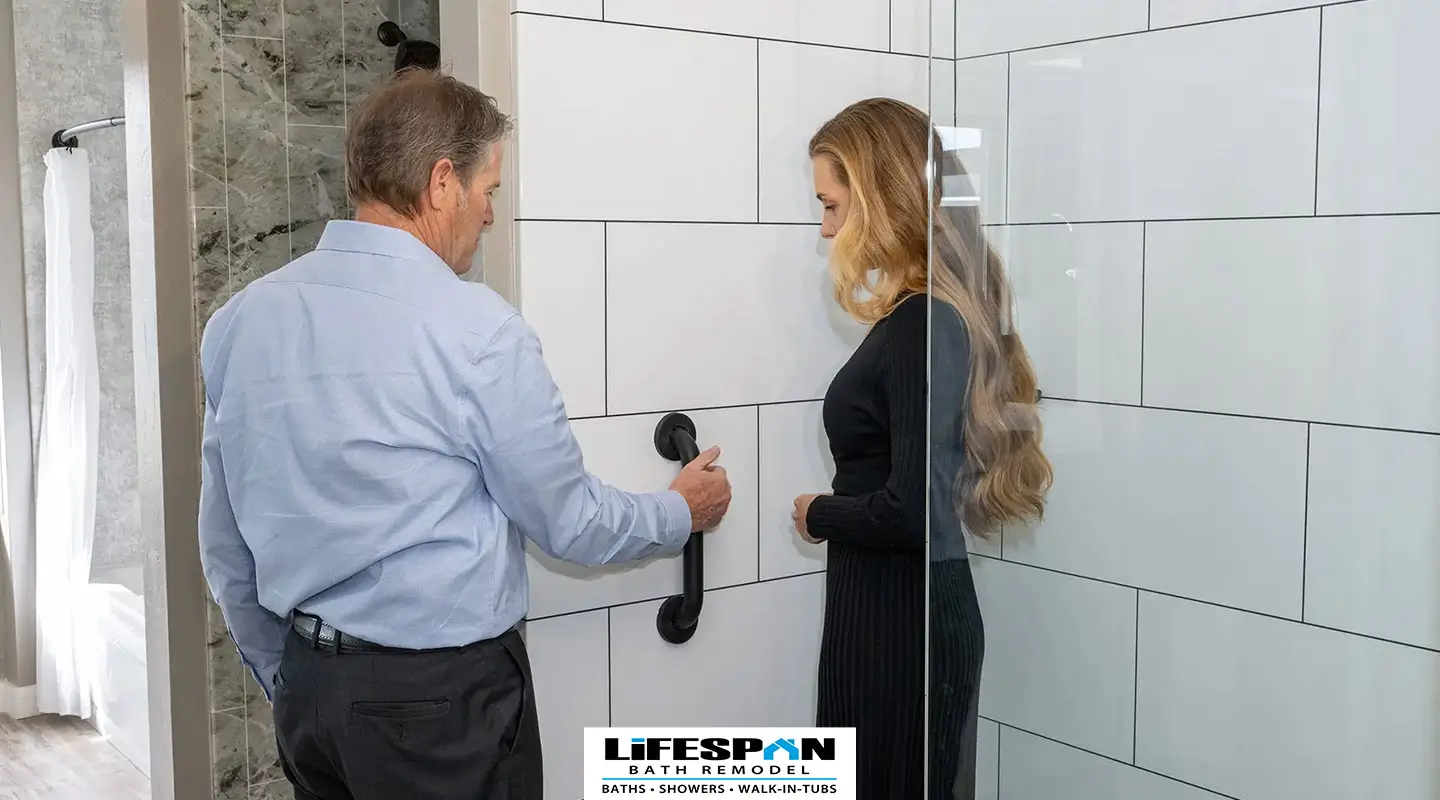
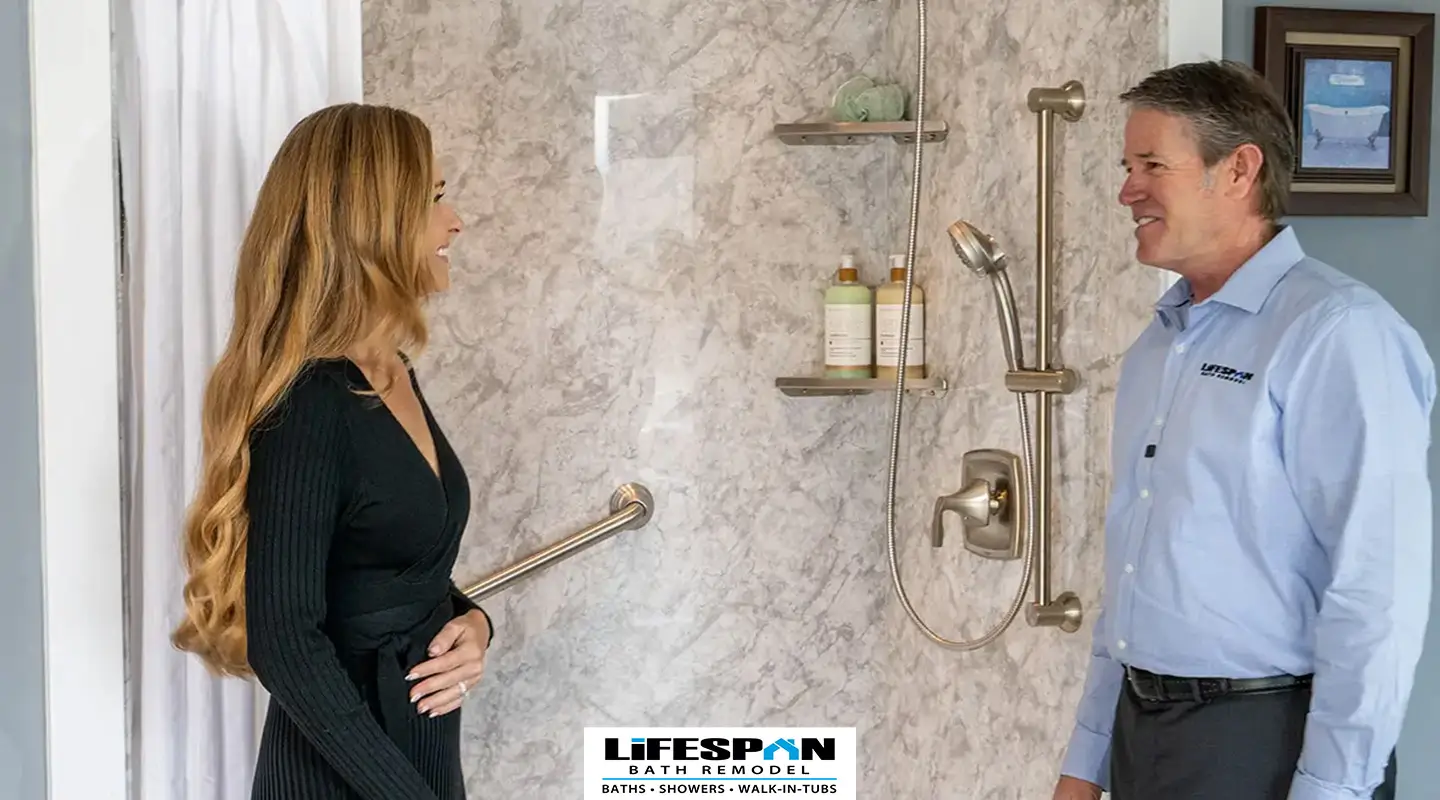
Unlike the flimsy towel bars or towel racks we’re all familiar with, properly anchored bars are designed to support full body weight when someone slips and desperately needs leverage. Grab bars are one of the most effective bathroom safety features for significantly reducing fall risk.
Placement and style tips:
- Mount bars into wall studs or backing near:
- The entry to a walk-in shower or shower stall.
- Along the shower floor wall by a shower seat or shower benches.
- Beside the toilet or raised toilet seats.
- Choose finishes that match your bathroom decor. Today’s stylish grab bar options look like designer hardware, so you’re not compromising style or aesthetic appeal.
- Avoid suction‑cup models; they can pull free from slippery surfaces during a sudden grab.
Correctly placed, grab bars will provide your loved ones with a secure place to reach for, helping them feel more stable and confident while moving around the bathroom.
What To Consider: Think beyond the shower area when adding grab bars. Support near the toilet, bathtub entrance, and areas where users transition from sitting to standing can improve overall bathroom safety.
Safer Showers and Tubs: Showers, Seats, and Non-Slip Surfaces
The tub and shower are usually the highest-risk areas because they are regularly exposed to moisture and can become slippery.
Barrier-free showers and walk-in tubs:
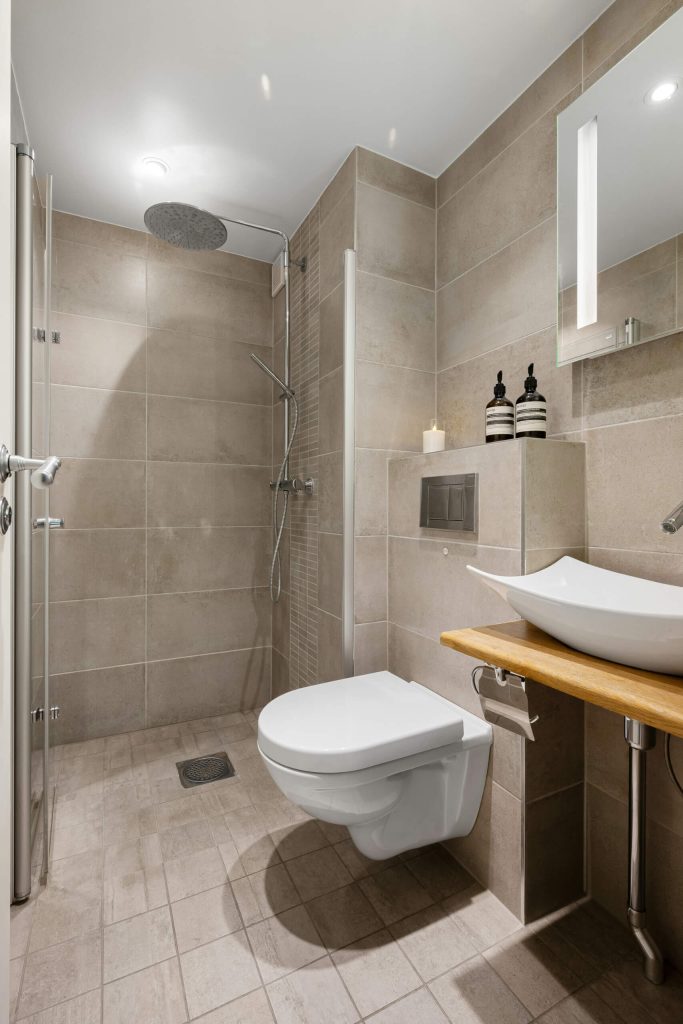
- Barrier-free shower designs remove the curb so there’s no step to trip over.
- A walk-in shower with a wide entrance and easy access meets many disability act recommendations and reduces tripping hazard risks.
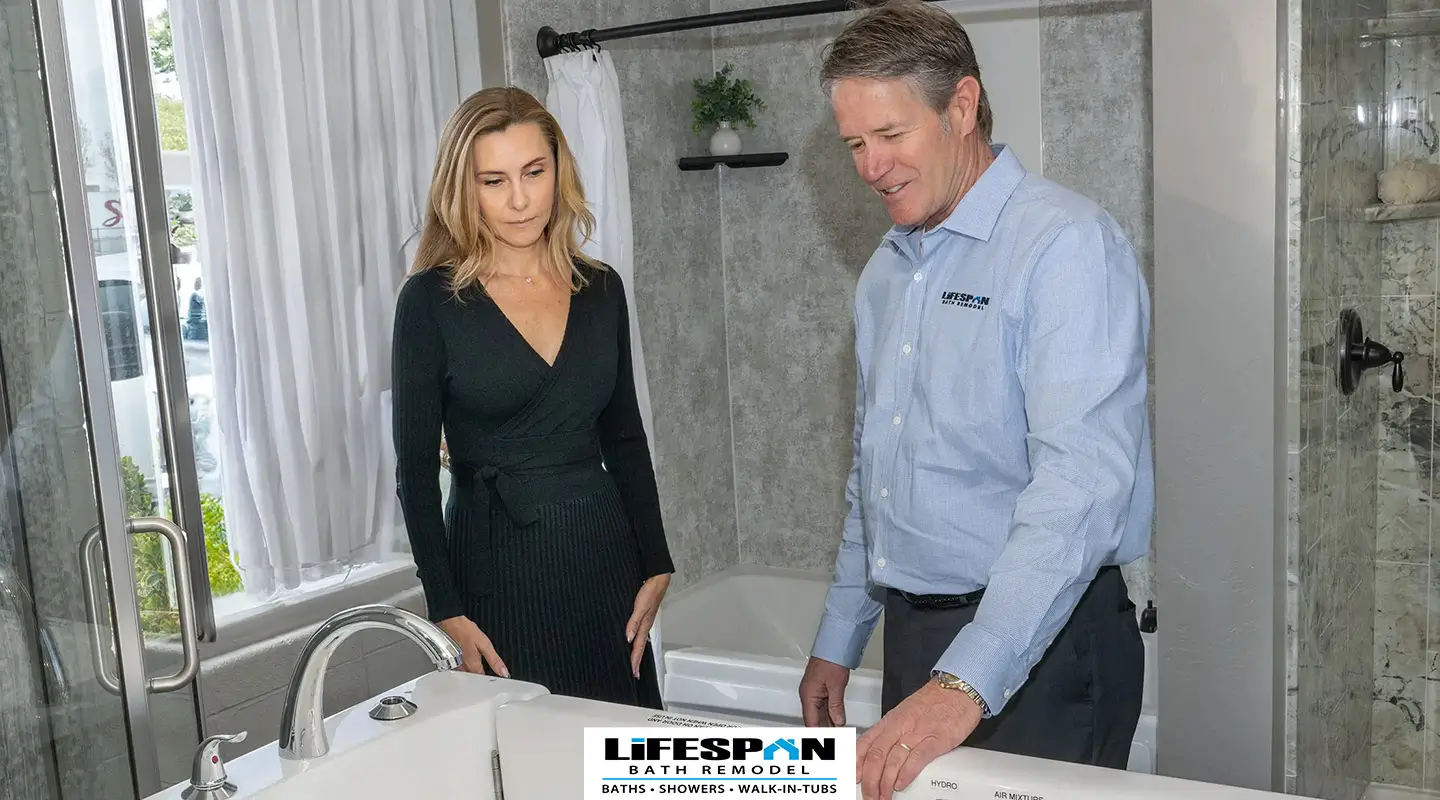
- A walk-in tub with a side door can be a good option when soaking is important but stepping over a tall bathtub wall is risky.
Seats and benches:
- Shower seats, built-in bench designs, or movable shower benches let seniors sit during bathing, lowering fatigue and fall risk.
- Pair seating with a handheld shower and nearby grab bars so users can wash while seated and still have extra support when standing.
Slip-resistant surfaces:
- Use non-slip flooring or slip-resistant shower floor materials (like textured porcelain or treated surfaces) in wet areas.
- Add non-slip mats or adhesive strips inside the tub and just outside the shower to increase traction; these can be swapped out as they wear.
- Make sure mats lie flat so they don’t become a new tripping hazard.
These are a few safety features that will make the bathing area a bit safer without reshaping the entire room. They’re especially helpful in bathrooms that are used regularly by older adults.
Quick Comparison:
Safety Upgrade Best For Benefit Walk-in shower Mobility concerns Easier, safer shower access Shower seat Standing difficulty Reduces fatigue while bathing Grab bars Balance support Provides stability during movement Slip-resistant flooring Wet areas Improves traction and reduces slips Handheld showerhead Seated users Makes bathing more convenient
Toilets and Everyday Tasks: Making the Basics Easier
Sitting and standing from the toilet is a major challenge for some, especially those already dealing with balance issues or arthritis. However, outside of an obvious grab bar, it’s an easy area to overlook.
Consider raised seating and support or comfort-height toilets to make sitting down and standing up easier and more comfortable. You should add grab bars on at least one side of the toilet (both if the infrastructure for doing so exists), positioned so it’s reachable without leaning across the bowl.
These are relatively simple upgrades that help reduce strain during self-care and help older adults maintain their independence in everyday bathroom tasks.
It’s also a good idea to consider some simple organizational changes. For instance, keep the body wash, shampoo, and cleaning supplies off the floor or at heights that require tippy-toe stretching to obtain. Keep them within easy reach or in accessible built-in niches.
Replace rickety towel racks with sturdier units mounted securely, keeping the floor clear of loose towels that could cause falls. Make sure storage of essentials like toilet paper is accessible without bending or stretching around sharp corners or sharp edges.
These are simple organizational additions that improve bathroom safety and also make the bathroom easier and more convenient for everyone’s use.
Things to Consider:
Before completing a bathroom safety upgrade, check that:
- Toilet height allows easier sitting and standing without excessive strain.
- Essential items like toilet paper and personal care products are within easy reach.
- Support features are installed where users naturally need assistance.
- Floors remain clear of loose items that can create obstacles.
Lighting, Temperature, and Finishes: Details That Prevent Falls
Not all bathroom safety features revolve purely around hardware. Some of the most effective changes involve lighting and finishes.
Lighting and visibility:
- Poor lighting makes it hard to see water on the floor or obstacles along the way.
- Add bright overhead fixtures and focused lighting near the shower and vanity, and consider nightlights or motion‑activated lights for late‑night visits.
- Good lighting also highlights slippery floors or wet areas so they can be dried quickly.
Temperature and comfort:
- Install temperature controls or anti-scald valves so water temperature can’t jump suddenly.
- Set the water heater to a safe maximum temperature to further prevent injuries.
Surfaces and edges:
- Choose non-slip or slip-resistant tile and finishes in the shower and on the main floor, especially in front of the tub or shower.
- Soften or round off sharp corners on vanities and shelves, especially in a small space where a stumble could mean hitting sharp edges.
Safety and style do not have to compete. Since today’s non-slip flooring comes in so many styles and colors, you can protect your loved one while preserving your bathroom’s aesthetic appeal.
Smart Upgrade Ideas: Small improvements can make a bathroom safer during everyday use:
- Motion-activated lighting for nighttime bathroom trips.
- Anti-scald controls to prevent sudden temperature changes.
- Matte-finish or textured surfaces to improve traction.
- Rounded vanity edges to reduce injury risks from accidental bumps.
Building a Safer Bathroom Without Sacrificing Style
Ultimately, the goal is a safer bathroom for seniors that still looks and feels like a genuinely welcoming part of your home. It helps that modern bathroom safety features are designed to blend in:
- Stylish grab bar options coordinate with your existing fixtures and bathroom decor.
- Walk-in shower designs with barrier-free entries and built-in bench seating look like a luxury upgrade as much as a safety improvement.
- Non-slip mats and flooring can match your color palette, from classic neutrals to deeper tones.
- Discreet shower benches, shower seats, and raised seating solutions can be integrated into a master bathroom without drawing attention.
If you’re ready to explore new bathroom safety features for an aging parent, partner, another loved one, or yourself, LifeSpan Bath Remodel is more than ready to help. Our team specializes in accessible upgrades like walk-in shower conversions, walk-in tub installations, non-slip flooring, and sensibly placed grab bars that work with your existing space.
To talk through your safety goals, layout options, and design choices that won’t mean sacrificing your preferred style, reach out to schedule a consultation. A safer bathroom is one of the most important changes you can make for an older adult. With the right plan, it can still look and feel like a personal retreat.
Frequently Asked Questions
What are the most important bathroom safety features for seniors?
The most important features include grab bars, walk-in showers, slip-resistant flooring, proper lighting, accessible storage, and easy-to-use fixtures that support safer daily routines.
Do grab bars really help prevent bathroom falls?
Yes. Properly installed grab bars provide stability when entering showers, using toilets, or moving around wet areas, helping seniors maintain balance and confidence.
Is a walk-in shower safer than a traditional bathtub for seniors?
A walk-in shower can be safer because it removes high thresholds and reduces the need to step over a bathtub wall, lowering common tripping risks.
How can I make a bathroom safer without a full remodel?
Simple upgrades like adding grab bars, improving lighting, using non-slip surfaces, and organizing essentials within easy reach can improve bathroom safety.
What bathroom changes help seniors age in place?
Features like barrier-free showers, shower seating, comfort-height toilets, grab bars, and accessible layouts can help seniors maintain independence at home longer.
Questions? Talk to a Pro.
We beat any competitor by $100! Call for details. (801) 532-2000
Recent articles
What Homeowners Should Know Before Choosing PuroStone for Their Shower Remodel
How to Decide If Your Bathroom Needs a Partial Upgrade or a Full Bathroom Remodel

What Bathroom Design Features Help Reduce Daily Maintenance?
What Causes Bathroom Remodeling Projects to Fail and How Can Homeowners Avoid Them?

What Are the Best Bathroom Upgrades for Aging Parents Living at Home?
7 Ways to Increase Bathroom Space When Remodeling
Which Bathroom Safety Features Prevent the Most Falls for Seniors?

What Should You Prioritize When Planning a Full Bathroom Remodel?
Related Posts
Matt Tychsen
October 1, 2026
What Homeowners Should Know Before Choosing PuroStone for Their Shower Remodel
TL;DR: Is PuroStone a Good Choice for a Shower Remodel? PuroStone may appeal to homeowners who want a clean shower look, fewer visible...
September 22, 2026
How to Decide If Your Bathroom Needs a Partial Upgrade or a Full Bathroom Remodel
Not every dated bathroom needs to be completely torn apart. Sometimes a few well-chosen updates can make the space feel new again. Other...
September 16, 2026
What Bathroom Design Features Help Reduce Daily Maintenance?
Some bathrooms feel harder to keep clean because their design traps moisture, soap residue, and clutter. Homeowners comparing bathroom remodeling considerations can reduce...