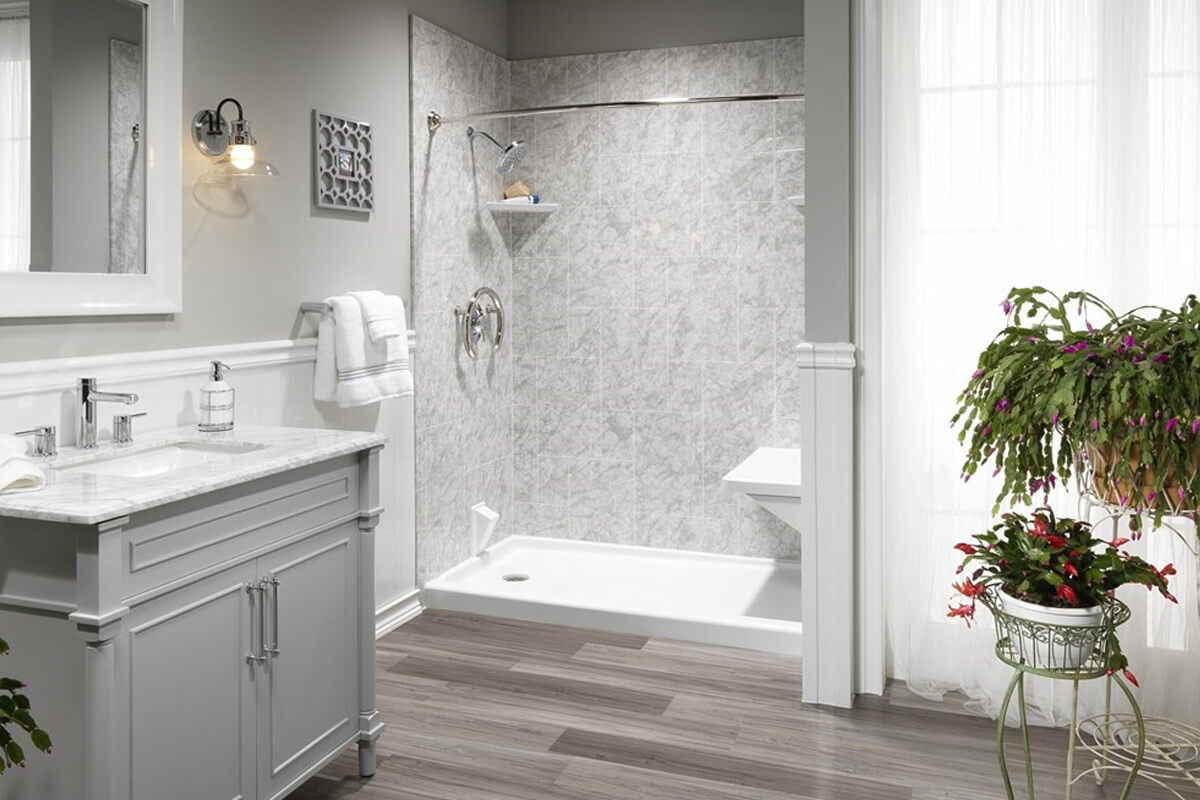

TL;DR: Bathroom remodels often fail because of poor planning, unrealistic budgets, rushed decisions, wrong material choices, and unclear communication. A successful remodel starts with a clear plan, realistic expectations, and careful decisions before construction begins.
A bathroom remodel looks simple from the outside. Pick a vanity, choose some tile, swap the shower, and enjoy the result. In reality, a single project pulls together design, measurements, plumbing, electrical work, waterproofing, materials, scheduling, and a budget that has to stretch across all of it. Remodeling demand isn’t slowing down either.
NAHB projects residential remodeling activity will grow through 2026 and 2027, making careful project planning especially relevant for homeowners considering renovations.
Most bathroom remodel failures don’t start with one dramatic mistake. They start with several small decisions that got skipped, delayed, or misunderstood during planning. Each one seems minor on its own. Together, they create delays, surprise costs, and results that fall short of what a homeowner pictured.
Choosing the tile may be the fun part, but it’s rarely the decision that determines whether a remodel goes smoothly.
This guide walks through the common reasons projects go sideways and the practical steps that keep them on track.
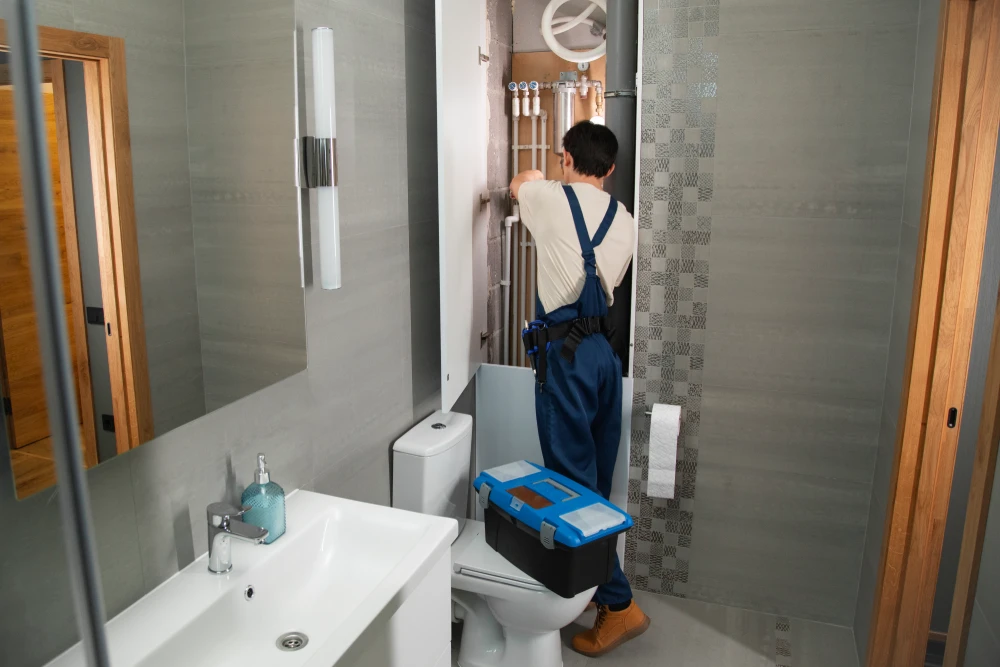
Why Do Bathroom Remodeling Projects Fail? (Quick Answer)
Bathroom remodels usually run into trouble because of poor or incomplete planning, unrealistic budgets, changing decisions mid-construction, incorrect measurements, unsuitable materials, and ignored plumbing, electrical, or waterproofing needs. Hiring the wrong contractor, weak communication, rushed timelines, and a focus on looks over function add to the risk. The good news is that most of these problems shrink dramatically when the entire project is planned before demolition begins.
Before You Start
Before beginning a bathroom remodel, define what success looks like for your space.
Think about:
- How the bathroom needs to function daily
- Which problems you want the remodel to solve
- Which improvements matter most within your budget
Poor Bathroom Remodeling Planning Can Create Problems Later
Planning is the foundation of every successful project. Strong bathroom remodeling planning defines the scope before anyone picks up a hammer. That means deciding whether the job involves swapping fixtures or changing the entire layout.
Priorities should come before finishes. Plumbing, electrical, lighting, and storage need to be planned together instead of treated as separate steps. Every measurement should be confirmed before ordering materials, because a vanity that arrives two inches too wide can stall the whole job.
What should homeowners plan before demolition?
Lock in these details early:
- Final bathroom layout
- Fixture placement
- Storage requirements
- Lighting
- Flooring and wall materials
- Shower or tub configuration
- Accessibility needs
- Expected project timeline
- Budget range
Homeowners who map these out before demolition see fewer surprises. Reviewing a full lineup of professional bathroom remodeling services early can also clarify what a complete scope should include.
An Unrealistic Budget Can Derail a Bathroom Remodel
A budget is more than the number a homeowner hopes to spend. A realistic remodeling budget accounts for materials and fixtures, labor, plumbing and electrical changes, demolition, permits where applicable, and the unexpected conditions hiding behind walls or under flooring.
Those hidden conditions are common, and they can add up fast. The residential remodeling sector is a large one, with the market size of the residential remodeling industry in the United States sitting at $181.1bn in 2026, which reflects how many homeowners take on projects like these every year. Leaving financial flexibility protects a budget from unexpected pressure.
How can homeowners build a more realistic remodeling budget?
- Establish a realistic starting budget.
- Separate must-haves from nice-to-haves.
- Get clear pricing before work begins.
- Leave room for unexpected project conditions.
- Understand what is and isn’t included in the contractor’s estimate.
Budgeting down to the last dollar leaves no cushion. A buffer keeps a minor discovery from becoming a major setback.
What This Means For You
A realistic bathroom budget is not only about the final number. It helps you make better decisions, prepare for unexpected conditions, and avoid cutting corners during construction.
Changing Design Decisions Mid-Project Can Cause Delays
Decision fatigue is real. After weeks of choices, some homeowners keep tweaking selections even after construction starts. Every change ripples outward.
Common examples that cause trouble:
- Changing tile after it has been ordered
- Switching the vanity size
- Moving plumbing after the layout is set
- Changing the shower configuration
- Selecting fixtures incompatible with the original plan
How can you avoid costly design changes?
Finalize major decisions before demolition, and confirm that the contractor understands the complete design. Changing a paint color is one thing. Changing where the shower drain goes after installation has started is another.
Before You Decide
Finalize major design choices before construction begins whenever possible.
Consider:
- How each decision affects the rest of the project
- Whether materials and fixtures work together
- Whether changes will impact timeline or budget
Choosing the Wrong Materials Can Lead to Bathroom Remodeling Issues
Not every attractive material belongs in a bathroom. Real-world bathroom remodeling issues frequently trace back to finishes that aren’t suited to regular moisture exposure. Materials installed in the wrong location or without appropriate moisture protection can contribute to deterioration over time.
The right material balances moisture exposure, durability, cleaning requirements, slip resistance, maintenance, and design fit.

What should homeowners consider when choosing bathroom materials?
Ask these questions:
- Will this material handle regular moisture?
- How much maintenance does it require?
- Is it suitable for the intended location?
- Will replacement materials be available if needed?
- Does it fit the overall budget?
| Material Factor | Why It Counts | Best For |
| Moisture resistance | Prevents rot and mold | Floors and shower walls |
| Slip resistance | Improves safety | Seniors and mobility needs |
| Maintenance level | Affects daily upkeep | Busy households |
| Durability | Extends lifespan | High-traffic bathrooms |
Good design pairs appearance with long-term performance, not one at the expense of the other.
What To Consider
The best bathroom materials are not always the most expensive options. Focus on choices that match your lifestyle, maintenance preferences, and how the space will be used every day.
Ignoring Plumbing, Electrical Work, or Waterproofing Can Create Bigger Problems
Some problems stay hidden until demolition begins. That’s why bathroom projects need proper inspection and planning up front. Corroded pipes, inadequate framing, previous water damage, and outdated wiring may not become apparent until work begins.
Plan around old or damaged plumbing, electrical requirements, fixture placement, drainage, waterproofing, and moisture protection. In homes built before 1978, the U.S. Environmental Protection Agency recommends hiring a lead-safe certified contractor, since disturbing old paint can create dangerous lead dust.
Why is waterproofing so important?
Waterproofing isn’t a decorative detail. It protects the areas behind and beneath bathroom surfaces from moisture intrusion. Skipping a waterproof membrane is one reason floors and subfloors fail years later. Proper waterproofing reduces that risk, though no system removes the need for good installation.
How It Works
A successful bathroom remodel works as a connected process. Layout, plumbing, electrical work, waterproofing, materials, and installation all need to support each other from the beginning.
Hiring the Wrong Contractor Can Turn a Remodel Into a Headache
The right contractor affects communication, scheduling, quality, and coordination. Most homeowners lean on experts for this work, and choosing the right partner is its own challenge.
Watch for warning signs: vague estimates, unclear scope, poor communication, no defined timeline, no transparency about subcontractors, and reluctance to explain how surprises will be addressed.
What should you ask a bathroom remodeling contractor?
Before signing with any contractor, ask:
- Who will manage the project?
- Who handles plumbing and electrical work?
- Are subcontractors used?
- What is included in the estimate?
- How are changes addressed?
- What is the expected timeline?
- How will communication work during construction?
The market for these professionals is wide open. With many remodeling professionals to choose from, learning how to hire the best bathroom remodel contractor can help homeowners evaluate their options carefully.
Poor Communication Can Lead to Bathroom Remodeling Challenges
Even a well-designed project runs into bathroom remodeling challenges when homeowners and contractors aren’t aligned. Design decisions should be confirmed in writing. Schedule changes need to be discussed. Questions belong early in the process. Everyone should know who makes the final call, and changes should be confirmed before work continues.
How can homeowners keep communication clear?
- Keep one central list of decisions.
- Confirm major changes before installation.
- Ask for clarification when something is unclear.
- Raise unexpected discoveries right away instead of waiting.
Clear communication turns a stressful surprise into a quick conversation.
Tip: Keep important decisions, approvals, and project updates documented throughout the remodel. A clear record helps prevent confusion when multiple steps are happening at the same time.
Rushing the Timeline Can Compromise the Final Result
Homeowners naturally want their bathroom back fast, especially when it’s the only bathroom in the house. Rushing, though, puts pressure on material selection, installation, inspections, waterproofing, and final adjustments.

How can you prepare for the remodeling timeline?
- Plan for temporary bathroom arrangements.
- Confirm material lead times.
- Ask about project milestones.
- Avoid assuming the shortest possible timeline is the most realistic one.
Setting expectations around downtime, noise, and milestones keeps frustration low.
How Can Homeowners Prevent Bathroom Remodel Failures?
Most bathroom remodel failures can be avoided with a simple, disciplined plan:
- Define the project’s scope.
- Establish a realistic budget.
- Finalize the layout before demolition.
- Choose materials based on durability and maintenance.
- Discuss plumbing, electrical, and waterproofing requirements early.
- Vet contractors carefully.
- Keep communication open.
- Allow realistic time for the work.
Hiring a qualified remodeler early gives homeowners more time to discuss the scope, timeline, materials, and potential challenges before construction begins.
Key Takeaway
Bathroom remodel success comes down to preparation. Clear planning, realistic expectations, and good communication help homeowners avoid common mistakes and create a space that works for years.
What Should Homeowners Know Before Remodeling a Bathroom?
A successful bathroom remodel doesn’t require a homeowner to predict every possible problem. It requires thoughtful planning, realistic expectations, and clear communication from start to finish.
Plan before demolition. Budget with flexibility. Choose materials carefully. Think about function as much as appearance. Work with qualified professionals, and give important decisions the time they deserve.
For anyone ready to plan a remodel around specific goals, budget, and space, the team at LifeSpan Home Improvement can help map out a project designed to hold up for years.
Reach out today to schedule your free consultation and get started.
Frequently Asked Questions
What is the most common reason bathroom remodels fail?
Poor planning is the usual culprit. Unclear scope and unrealistic expectations create most problems, not a single dramatic error. Planning the full project before demolition prevents many of the bathroom remodeling issues homeowners run into later.
How can I avoid going over budget during a bathroom remodel?
Start with a detailed scope and understand exactly what the estimate covers. Then leave room for unexpected conditions behind walls or under floors. A financial buffer keeps a small surprise from derailing the whole project.
Should I choose all bathroom materials before construction starts?
Yes, finalizing major materials and fixtures early reduces delays and last-minute changes. Ordering ahead also avoids lead-time gaps, though the exact process still depends on the specific project.
How do I know if a bathroom remodeling contractor is reliable?
Look for clear estimates, steady communication, and strong project management. Check licensing where applicable, along with references and reviews. Transparency about subcontractors is another good sign, and it’s one of the easiest ways to head off bathroom remodeling challenges before they start.
What should I do if unexpected problems are found during a bathroom remodel?
Pause and discuss the issue with the contractor before work continues. Understand the cause, review the available solutions, and confirm any cost or timeline changes first. Making decisions calmly protects both the budget and the result.
How long should I expect a bathroom remodel to take?
Duration depends on scope, materials, layout changes, and required plumbing or electrical work. A simple fixture swap moves quickly, while a full layout change takes longer. Ask the contractor for realistic milestones as part of your bathroom remodeling planning.
Is it better to remodel a bathroom all at once?
It depends on the condition of the existing bathroom, homeowner priorities, and budget. A phased project may suit some homeowners, while a comprehensive remodel makes more sense when systems are aging or the layout is changing.
Questions? Talk to a Pro.
We beat any competitor by $100! Call for details. (801) 532-2000
Recent articles
What Causes Bathroom Remodeling Projects to Fail and How Can Homeowners Avoid Them?

What Are the Best Bathroom Upgrades for Aging Parents Living at Home?
7 Ways to Increase Bathroom Space When Remodeling

Which Bathroom Safety Features Prevent the Most Falls for Seniors?

What Should You Prioritize When Planning a Full Bathroom Remodel?

The Three F’s of Modern Bathroom Design: Functionality, Flow, and Finishing Details
Wall Surrounds vs. Traditional Tile: Which is Better for Your Bathroom?

A Complete Guide to Combining Accessibility and Modern Bathroom Design
Related Posts
Matt Tychsen
September 8, 2026
What Causes Bathroom Remodeling Projects to Fail and How Can Homeowners Avoid Them?
TL;DR: Bathroom remodels often fail because of poor planning, unrealistic budgets, rushed decisions, wrong material choices, and unclear communication. A successful remodel starts...
September 2, 2026
What Are the Best Bathroom Upgrades for Aging Parents Living at Home?
The bathroom may be one of the first places where aging becomes noticeable at home. A parent who once stepped into a tub...
August 24, 2026
7 Ways to Increase Bathroom Space When Remodeling
TL;DR: Small bathroom changes can create a bigger impact than expected. Discover how smart layouts, hidden storage, compact fixtures, and design adjustments can...