
TL;DR:
- The most useful bathroom upgrades for aging parents focus on shower access, support, flooring, lighting, and toilet height.
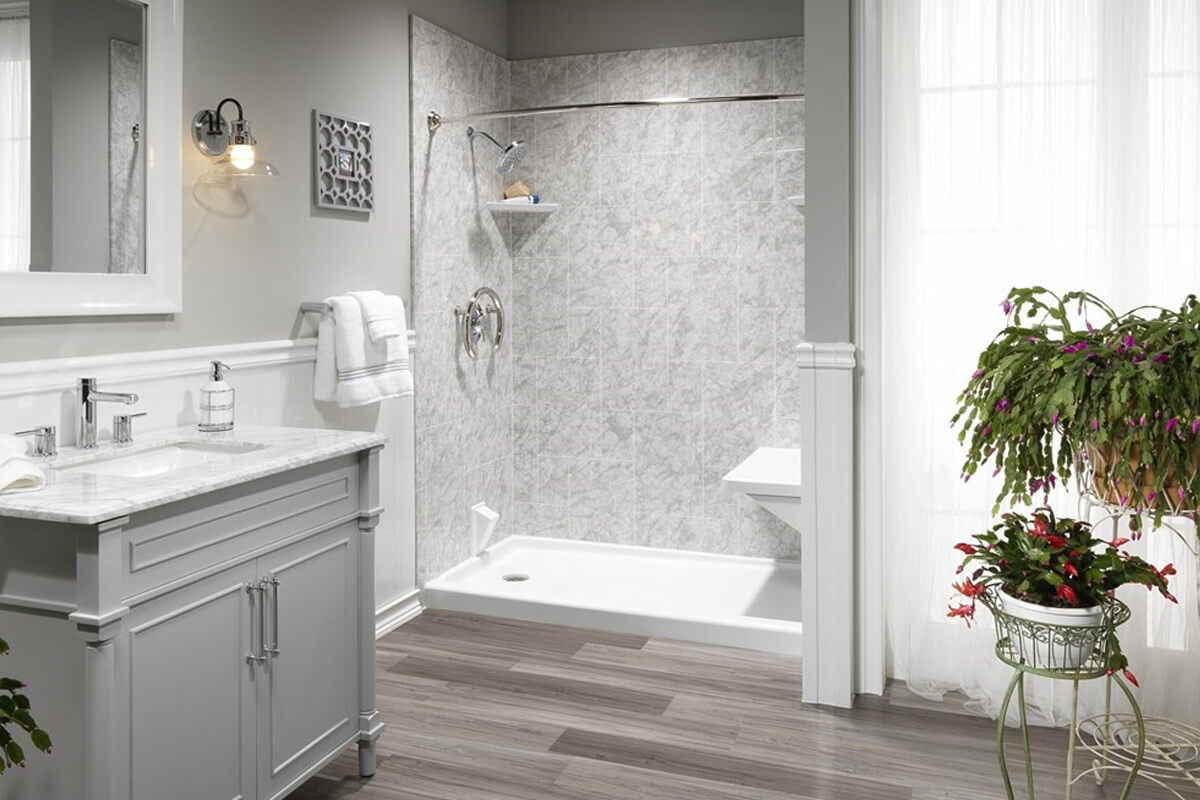
- A safer bathroom does not need to look clinical or cold.
- Walk-in showers, grab bars, and slip-resistant floors can help reduce common daily risks.
- An aging-in-place bathroom can support independence and privacy at the same time.
- The best results come from matching upgrades to a parent’s real mobility needs, not a generic checklist.
The bathroom may be one of the first places where aging becomes noticeable at home.
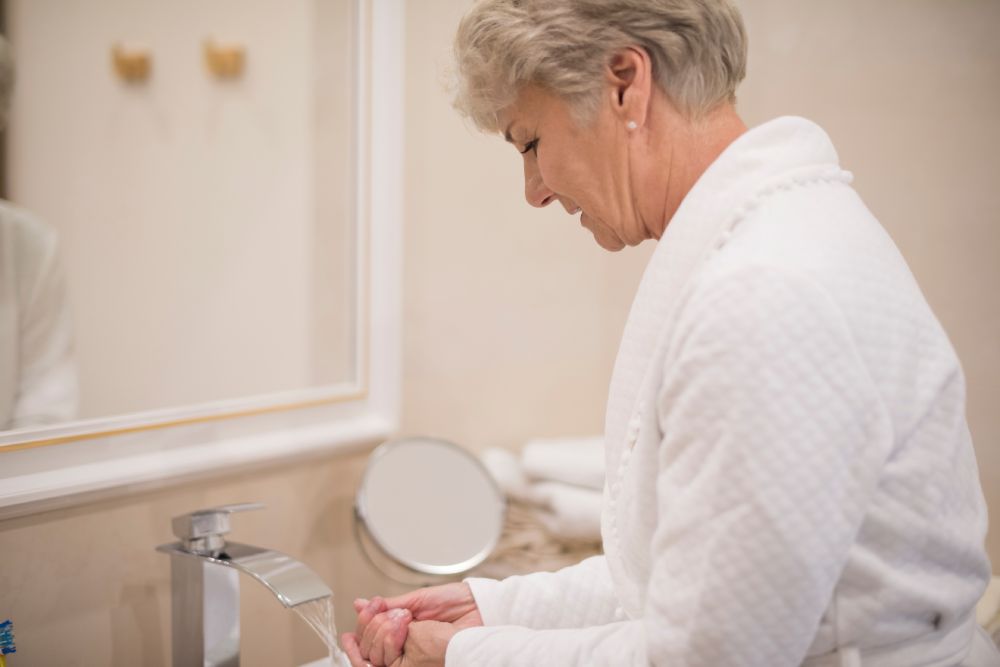
A parent who once stepped into a tub with ease may start to pause at the edge, reach for a towel bar for balance, or feel unsteady on wet tile. Trouble standing up from a low toilet often follows soon after.
Thoughtful accessible bathroom upgrades for senior bath safety can ease these daily worries.
The National Institute on Aging points out that a few thoughtful changes can make a home easier and safer to live in, which is exactly the idea behind good bathroom upgrades for aging parents. The goal is not to turn a family bathroom into a medical room. Thoughtful changes can make everyday routines safer and more comfortable without stripping away the space’s warmth.
For Utah families in Salt Lake City, St. George, and nearby communities, our guide to remodeling a bathroom for aging in place is a useful starting point. The best plan begins with how a parent uses the bathroom today, then adds features that fit future needs.
Which Bathroom Upgrades Matter Most for Aging Parents?
The most useful bathroom upgrades solve real daily problems. They reduce awkward steps, add steady support, improve light, and place needed items within easy reach. A good plan often starts with the shower, where wet floors, hard surfaces, and tight spaces can create fall hazards.
| Upgrade | Best For | Key Benefit | Planning Note |
| Walk-in shower | Tub access issues | Easier entry | Check threshold height |
| Grab bars | Balance support | Stable hand placement | Wall support may be needed |
| Slip-resistant floor | Wet areas | Better traction | Avoid loose rugs |
| Shower seat | Limited stamina | Less standing | Pair with handheld spray |
| Comfort height toilet | Weak knees or hips | Easier sitting | Confirm seat height |
| Better lighting | Low vision | Clearer view | Add night lighting |
Before You Start: think about your parent’s current routine and where they experience the most difficulty.
Consider:
- Which bathroom tasks feel challenging today
- Whether mobility needs may change in the future
- Which improvements will provide the most daily benefit
1. Walk-In or Low-Threshold Shower
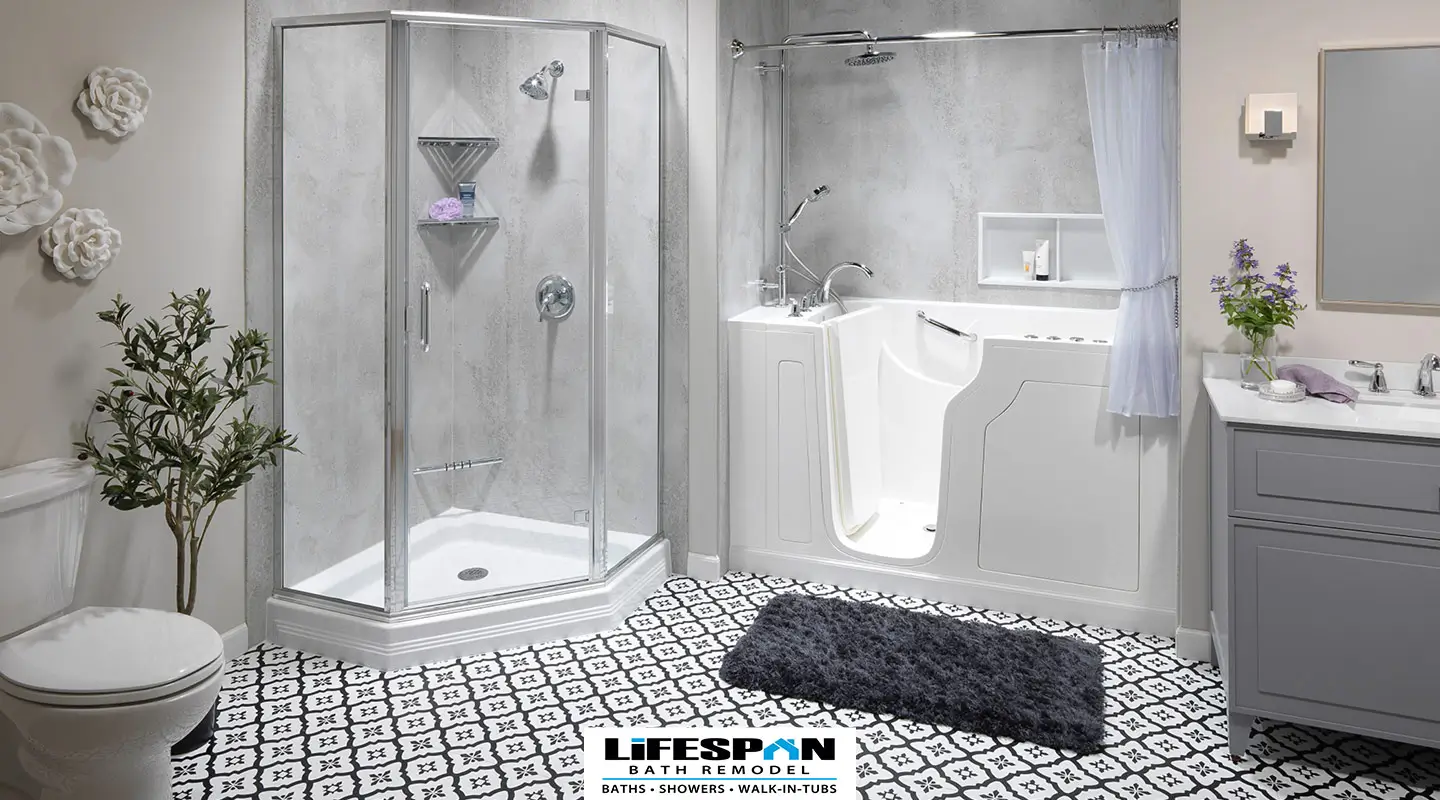
A walk-in or low-threshold shower removes the need to step over a high tub wall. That single change can help a parent with stiff knees, weaker balance, or a cane. Zero-threshold designs work well in some homes, while a low-threshold shower offers easier access with just a slight curb.
2. Grab Bars and Stable Support
Grab bars give a parent a firm place to steady the body at key points, including the shower entry, inside the shower, and near the toilet. Towel bars are not safe support and should never be treated as one. Secure installation matters just as much as placement, since a loose bar can create more risk than no bar at all.
3. Slip-Resistant Flooring
Wet floors create daily risk, even for a parent who walks well otherwise. Slip-resistant flooring adds traction without making the room look plain or institutional. Skip loose rugs near the tub, toilet, or sink entirely, and if warmth matters, choose a rug with secure backing and a low profile instead.
4. Shower Seating and Handheld Showerheads
A shower seat reduces the need to stand through a full shower, which helps during recovery from surgery, illness, or general short-term weakness. A handheld showerhead lets a parent wash while seated and reach areas more easily. Together, this pairing supports changing mobility needs without disrupting a daily routine.
5. Comfort-Height Toilets
A comfort-height toilet can make sitting down and standing up easier for some people with limited mobility. The appropriate seat height depends on the individual, especially when paired with a nearby grab bar.
6. Better Lighting
Even lighting helps a parent see wet areas, floor edges, and trip hazards before they become a problem. Good vanity lighting supports grooming, while dedicated shower lighting helps during bathing itself. Night lighting also matters for late trips to the bathroom, and in Utah homes with interior bathrooms, layered light can improve daily use without harsh glare.
7. Accessible Fixtures and Controls
Choose faucets and shower controls that are easy to reach and operate, along with anti-scald features for added safety. Lever handles work far better than tight knobs for hands affected by stiffness or arthritis.
What This Means For You: A bathroom designed for aging in place does not need to look different from any other modern bathroom. The right features can be blended into the design while still improving safety and comfort.
How Can You Create a Senior-Friendly Bathroom Without Sacrificing Style?
A safer bathroom can still feel warm, current, and personal. The best senior-friendly bathroom upgrades blend into the full design rather than standing out as obvious add-ons, which matters most in Utah homes where families want long-term function without losing clean, updated finishes.
Build Safety Features Into the Design
Modern grab bars now come in finishes that match faucets, shower trim, and towel hooks, so they no longer stand out as medical equipment. Other features can include:
- Shower seats built directly into the wall layout.
- Low-threshold showers with clean, modern lines.
- Calm colors and polished wall surrounds that look intentional rather than retrofitted.
Keep the Bathroom Comfortable, Not Clinical
Accessibility does not require a cold, sterile look. A parent may accept changes more readily when the room still reflects their own taste and habits. The design can include:
- Warm lighting
- Coordinated finishes
- A simple vanity
- A neat shower layout
- A calm, non-clinical feel
What To Consider:
When planning bathroom modifications, focus on how the entire space works together rather than choosing individual upgrades separately.
Think about:
- How easily your parent can move through the room
- Whether essential items are within reach
- How the bathroom can adapt over time
What Bathroom Modifications Can Make Aging in Place Easier?
An aging-in-place bathroom should support the full routine, not just bathing. That means room to move, space for a cane or walker, and storage that reduces reaching or bending. A well-planned layout also helps a parent keep more privacy during daily care.
Make Movement Easier
Clear pathways reduce trip risks and help a parent move through the room with less strain. Doorway access matters too, especially if a walker or other mobility aid may come into play later. Key considerations include:
- Remove extra furniture, bulky hampers, and low stools from the main traffic path.
- Make small layout changes in tighter bathrooms to create better flow.
Keep Everyday Items Within Reach
Towels, soap, shampoo, and personal care items should be easy to reach. Practical storage options include:
- Use pull-out shelves to reduce bending.
- Add open niches for frequently used items.
- Install lower towel hooks for easier access.
- Keep commonly used items between waist and shoulder height.
Tip: Small layout decisions can have a big impact. Keeping frequently used items accessible and reducing unnecessary movement can make daily routines simpler and more comfortable.
Plan for Future Mobility Changes
A remodel should solve today’s concern while still leaving room for what comes next. A parent who walks well now may need a seat, wider access, or more support later on. Planning for future needs during the current project can also help families avoid having to redo recently completed work as mobility needs change.
How It Works:
An effective aging-friendly bathroom follows a simple approach: reduce difficult movements, add reliable support, and make everyday tasks easier.
The best upgrades are the ones that solve real problems without adding unnecessary features.
Which Bathroom Safety Modifications Should You Prioritize?
The best order depends on a parent’s actual daily risks. Start with the areas where a slip, a hard step, or a weak grip could cause the most harm, then add comfort features that improve the overall routine.
Address the Biggest Safety Risks First
A clear order helps families avoid scattered, piecemeal upgrades. A practical approach is:
- Start with shower or tub access.
- Add secure grab bars next.
- Improve flooring and lighting.
- Address toilet access.
- Prioritize changes that reduce strain during bathing and toileting when working with a limited budget.
Match Upgrades to Your Parent’s Needs
One parent may only need better lighting and a higher toilet. Another may need a full tub-to-shower conversion. Review balance, strength, cane or walker use, and whether help is currently needed during bathing, then weigh those current needs against what’s likely over the next few years.
Common Mistakes to Avoid When Remodeling a Bathroom for Aging Parents
Some remodel choices look good on paper but fail during actual daily use. The best plan accounts for water, reach, grip, sight lines, and future mobility together, not appearance alone.
Focusing Only on Appearance
A beautiful bathroom still needs safe footing, clear access, and simple controls underneath the finish.
Adding Grab Bars Without Proper Installation
Grab bars need secure wall backing. A bar mounted to weak drywall alone can loosen under real weight exactly when it’s needed most.
Ignoring Future Mobility Needs
A design that fits today may feel cramped later once a walker, a seat, or a caregiver becomes part of the daily routine.
Making the Layout Too Crowded
Too many cabinets, shelves, or fixtures can eat into turning space fast. Keep the main path open and simple rather than packing every wall.
Before You Decide:
Before committing to a remodel, review the bathroom as a whole. A feature that works well in one home may not be the right choice for another.
Consider:
- Bathroom size and layout
- Current mobility needs
- Long-term comfort and usability

Bathroom Upgrade Checklist for Aging Parents
Use this checklist to review a bathroom before planning changes:
- Walk-in or low-threshold shower
- Secure grab bars
- Shower seating
- Handheld showerhead
- Slip-resistant flooring
- Comfort-height toilet
- Improved lighting
- Accessible controls
- Easy-to-reach storage
- Clear pathways
Not every bathroom needs every feature on this list, so match it to the parent’s real use and comfort level rather than checking every box.
When Should You Consider a Professional Bathroom Remodel?
Small updates help, but some bathrooms need deeper work. A professional bathroom remodel becomes the right path when the layout, tub height, or wall structure limits safe use no matter how many small fixes get added.
When Small Changes Are No Longer Enough
Consider a full remodel when the tub wall sits too high, the toilet area lacks room for support, or the floor plan blocks easy movement. Tub-to-shower conversion, plumbing changes, electrical updates, and added wall support are best planned together rather than tackled one at a time.
Plan the Remodel Around the Person Using It
The person actually using the bathroom should guide every choice in the plan. A remodel should account for balance, strength, reach, vision, and any current care needs. Style still counts, but comfort and long-term use should lead each layout decision.
Our bathroom remodeling process starts with an in-home consultation that looks at layout, functionality, style, and budget together, which fits naturally with this kind of planning.
Frequently Asked Questions
What is the most important bathroom upgrade for an aging parent?
Safe shower access is often a top priority. A walk-in or low-threshold shower paired with properly installed grab bars can reduce difficult stepping and provide stable support during bathing.
Are walk-in showers safer for elderly parents?
They can be. Removing a high tub edge can make shower entry easier for some older adults. Walk-in showers work best as part of a broader safety plan that may include slip-resistant flooring, properly installed grab bars, good lighting, and appropriate seating.
How can I make my bathroom safer without a full remodel?
Targeted changes such as grab bars, better lighting, slip-resistant flooring, a shower seat, and easier-to-use controls can meaningfully improve daily use without touching the full layout or budget of a complete renovation.
How do I design a bathroom for aging in place?
Plan around current mobility, likely future needs, clear pathways, easy reach, and stable support throughout the room. The space should support bathing, toileting, grooming, and everyday movement with as little strain as possible.
Key Takeaway:
The best bathroom upgrades for aging parents are not only about safety. They create a space that supports independence, comfort, and confidence for everyday living.
Creating a Safer Bathroom Without Sacrificing Comfort
A parent should not have to give up independence just to stay comfortable at home. The right upgrades can make daily bathroom routines feel easier without making the space feel clinical or cold. Start with the features that address real mobility and safety concerns, then plan the rest around long-term use.
For Utah homeowners in Salt Lake City, St. George, and nearby areas, Lifespan Home Improvement can help assess your parent’s bathroom and plan a practical next step toward a safer, more comfortable space.
Ready to make your parent’s bathroom safer and more comfortable? Contact us for a free assessment and bid. Our team can help you plan practical bathroom upgrades that support independence, comfort, and long-term use.
Questions? Talk to a Pro.
We beat any competitor by $100! Call for details. (801) 532-2000
Recent articles
What Are the Best Bathroom Upgrades for Aging Parents Living at Home?
7 Ways to Increase Bathroom Space When Remodeling

Which Bathroom Safety Features Prevent the Most Falls for Seniors?

What Should You Prioritize When Planning a Full Bathroom Remodel?

The Three F’s of Modern Bathroom Design: Functionality, Flow, and Finishing Details
Wall Surrounds vs. Traditional Tile: Which is Better for Your Bathroom?
A Complete Guide to Combining Accessibility and Modern Bathroom Design

ADA Bathroom Requirements for Utah Homes: What Every Homeowner Should Know
Related Posts
Matt Tychsen
September 2, 2026
What Are the Best Bathroom Upgrades for Aging Parents Living at Home?
The bathroom may be one of the first places where aging becomes noticeable at home. A parent who once stepped into a tub...
August 24, 2026
7 Ways to Increase Bathroom Space When Remodeling
TL;DR: Small bathroom changes can create a bigger impact than expected. Discover how smart layouts, hidden storage, compact fixtures, and design adjustments can...
August 19, 2026
Which Bathroom Safety Features Prevent the Most Falls for Seniors?
TL;DR: Explore the key bathroom safety features that help prevent senior falls, including grab bars, walk-in showers, non-slip surfaces, improved lighting, and accessible...