TL;DR: Preparing for a bathroom renovation starts with defining the project, clearing the room, protecting nearby areas, confirming fixtures, and discussing plumbing and electrical work early. Homeowners should also plan for noise, dust, bathroom downtime, unexpected expenses, and future needs. Good preparation can keep construction organized and reduce avoidable disruptions.
A bathroom renovation is exciting. It’s also one of those home projects that can feel slightly intimidating once you realize your house is about to host a rotating crew of tools, tiles, and, of course, dust.
The good news? A little preparation goes a long way. Whether you’re planning a simple bathroom update or a full bathroom remodel that touches every inch of the room, setting your home up ahead of time helps the job move faster and with fewer surprises.
If you’re working with experienced bathroom renovation contractors, your role is pretty simple: plan ahead, clear the space, and trust the process.
Here’s how to get your house renovation-ready, without turning it into a construction zone obstacle course.
Quick Answer: Prepare your bathroom, household routine, and budget early. Clearing the space, confirming details, and planning for disruptions helps keep your renovation organized.
Step One: Decide What Kind of Bathroom Remodel You’re Actually Doing
Before anyone swings a hammer, it helps to be clear on the scope. After all, not all bathroom remodeling services are created equal.
Are you:
- Updating fixtures?
- Adding slip-resistant flooring?
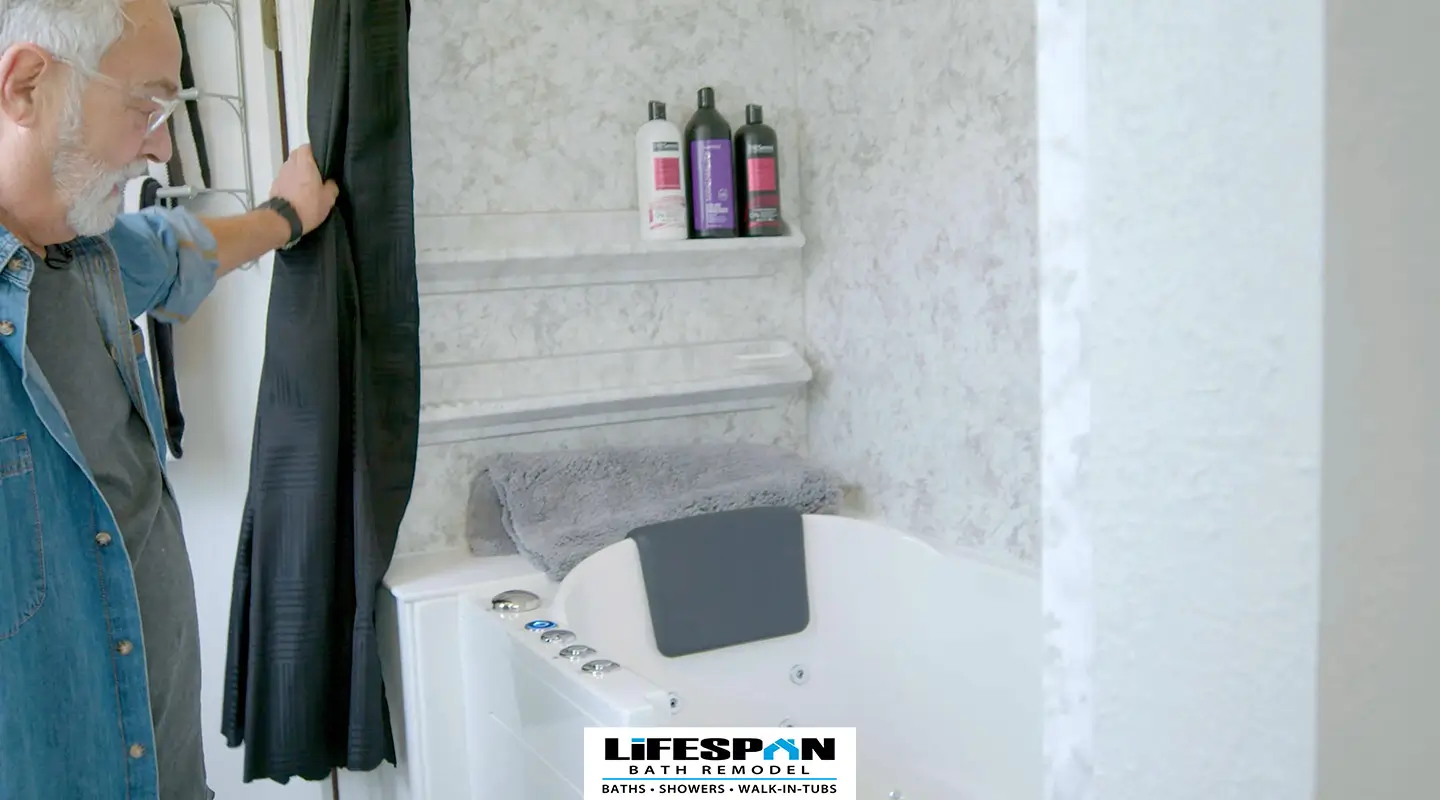
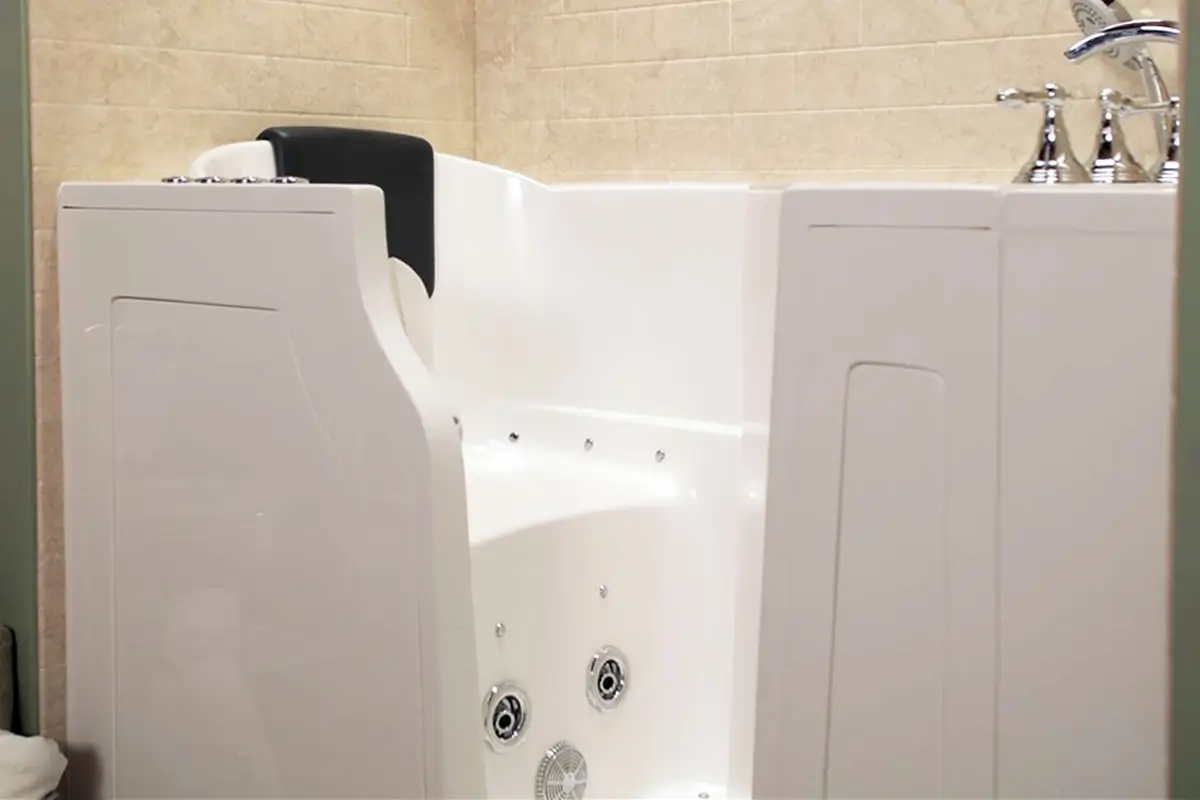
- Replacing an existing tub with a new tub or walk-in shower?
- Reworking the full bathroom layout?
- Going all-in on a full remodel?
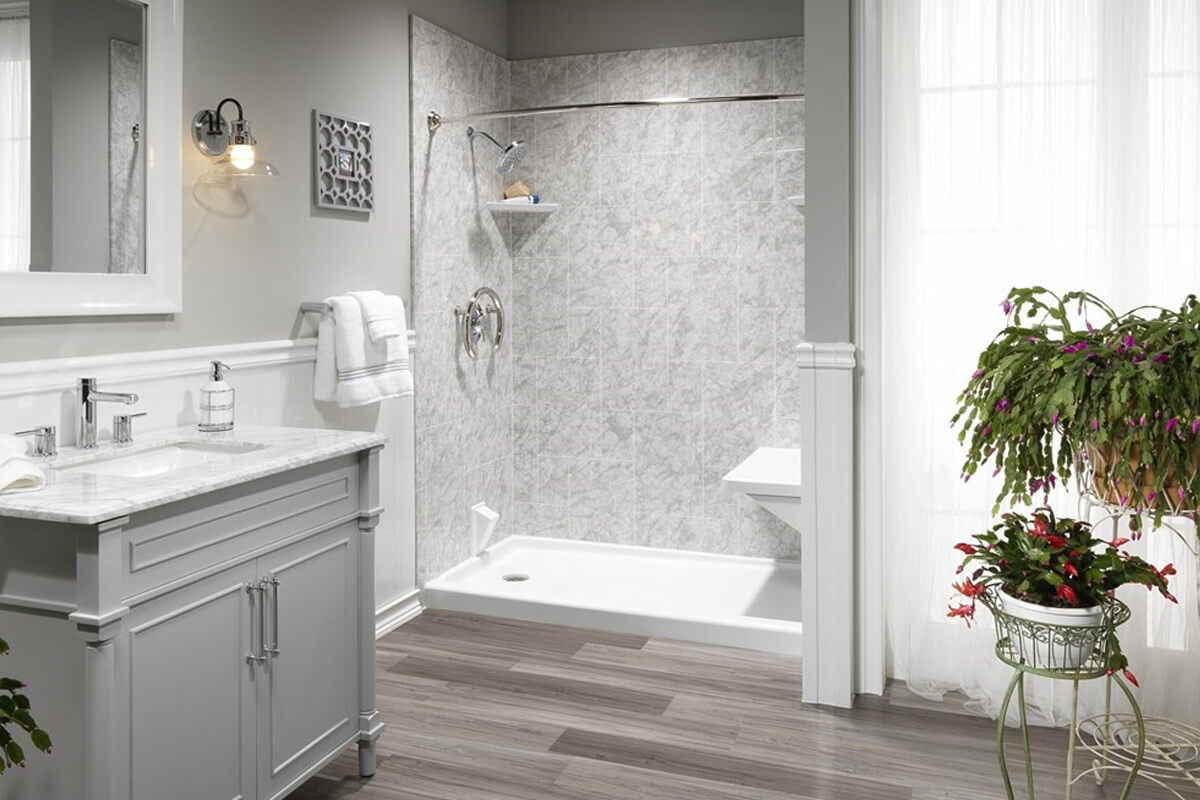
A full bathroom remodel often involves plumbing changes, electrical work, new flooring, and wall updates. A smaller bathroom renovation might focus on the tub, shower, vanity, fixtures, and grout refreshes.
Knowing the scope in its entirety helps your contractor plan installation timelines, manage cost expectations, and determine whether there are required permits.
In Short: The scope defines what work is included in your renovation, such as fixture replacements, layout changes, plumbing updates, electrical modifications, flooring, and finish upgrades. A clear scope helps homeowners and contractors align expectations before construction begins.
Step Two: Clear the Bathroom
This one sounds obvious, yet it’s often overlooked.
Before the job starts:
- Remove everything from the bathroom
- Clear cabinets, drawers, and the vanity
- Take down wall art, shelves, and mirrors
- Relocate toiletries and daily essentials
If your remodel involves the tub or shower, make sure access is wide open. Contractors need space to install materials efficiently, and a clutter-free room helps the job stay on schedule.
Pro tip: Set up a temporary bath station elsewhere in the house so you’re not hunting for toothpaste during installation week.
Step Three: Protect the Rest of Your House
A bathroom remodel may focus on one room, but it affects the whole house.
Most bathroom renovation contractors take steps to protect flooring and nearby rooms, but homeowners can help by clearing hallways and walk paths. They also help with removing fragile items near the work zone and covering furniture if the bathroom is centrally located.
Renovation dust has a talent for traveling. Preparing your space keeps cleanup easier and stress lower.
How It Works: A bathroom renovation protection plan uses clear pathways, dust barriers, and surface coverings to protect your home during construction. These steps help keep nearby areas cleaner and more organized.
Step Four: Talk Through Plumbing, Electrical, and Fixtures Early
Bathrooms rely on a tight balance of plumbing, electrical work, and layout. This is where planning ahead really pays off.
Before the job begins, confirm:
- Placement of the toilet, tub, and shower
- Location of lighting and outlets
- Fixture styles and installation requirements
- Any grab bars or accessibility features
If you’re upgrading plumbing or moving electrical components, permits may be required depending on several factors, including your local Utah building codes. A reputable bathroom renovation company will guide you through this part so there are no last-minute delays.
Before You Decide: Before construction begins, confirm your fixture selections, plumbing locations, electrical needs, and permit requirements. Early decisions help prevent installation changes and scheduling delays.
Step Five: Measure Twice (Then Measure Again)
Accurate, necessary measurements keep a remodel from going sideways. After all, you’ve heard the saying: measure twice, cut once!
Your contractor will handle technical measurements, but it helps to confirm:
- Vanity width and depth
- Tub and shower dimensions
- Door swing and clearance
- Flooring quantities
Measurements affect cost, installation timing, and whether fixtures fit the space as planned. It’s one of the undervalued heroes of a hassle free remodel.
What To Expect: Bathroom renovations can temporarily affect your daily routine. Plan for construction hours, limited bathroom access, and temporary adjustments before work begins.
Step Six: Expect Noise, Downtime, and a Temporary Bathroom Shuffle
Let’s be honest: bathroom renovation isn’t silent, even if you work with the most respectful contractors in the world. There will be tool noise alongside temporary plumbing shutoffs and frustratingly little access to your bathing space.
If your house has only one bath, talk through scheduling options with your contractor. Some homeowners choose phased installation to keep the toilet available as long as possible.
Setting expectations early helps everyone stay sane, especially during an extensive, time-consuming remodel.
Cost Breakdown: Bathroom renovation costs usually include materials, labor, fixtures, plumbing, electrical work, permits, and unexpected repairs. Reviewing each category early helps you create a more realistic budget.
Step Seven: Set a Realistic Budget (With Wiggle Room)
Every project has a budget. Nerdwallet estimates most bathroom remodels cost between $6,600 and $18,000, though homeowners should prepare for higher price tags if they choose more extensive remodeling options.
However, the smartest remodel plans also have flexibility when it comes to money.
Cost depends on:
- Materials
- Scope of work
- Fixture choices
- Plumbing or electrical updates
Unexpected discoveries, like outdated plumbing behind a wall, can happen in older homes. Planning a small buffer helps avoid stress if adjustments are needed mid-job.
A trusted contractor will explain where costs come from and how choices affect the final number.
Key Takeaway: A well-planned bathroom renovation should support both your current lifestyle and future needs. Features like accessible layouts, durable materials, and practical storage can improve long-term value.
Step Eight: Think Long-Term, Not Just Right Now
According to Houzz’s 2025 research, up to 60% of couples feel more at-home in their space post-renovations. You’ll probably adore your updated bathroom, but remember: this is your chance to make it work better for the long haul. You want to love the space now, but you also need it to serve your needs and resale goals years in the future.
Consider:
- Slip-resistant flooring
- Grab bars for future safety
- Shower access and layout
- Storage needs in the vanity
- Easy-clean fixtures and grout
Many homeowners regret skipping these decisions once the room is complete. A thoughtful bathroom renovation balances style with everyday comfort.
Step Nine: Trust the Process (and the Pros)
The final step? Let the professionals do what they do best.
Experienced bathroom renovation contractors coordinate installation, manage the job timeline, and handle the dozens of details most homeowners never see. Your role is to stay available for questions, review progress, and get excited as the room comes together.
Prepare for a Bathroom Remodel in Utah That Actually Feels Easy
When Utah homeowners choose Lifespan Bath Remodel, they’re choosing a Salt Lake City team that knows how to make bathroom renovation feel organized and refreshingly low-stress. Our bathroom remodeling services are built around clear communication, experienced craftsmanship, and a process that respects your home from day one.
Whether you’re planning a simple bathroom upgrade or a full bathroom remodel, our renovation team helps you plan and protect your space. From design guidance to installation details, our team focuses on creating a truly hassle-free process.
When your house is under construction, the right bathroom renovation contractor makes all the difference. Let us show you what we mean.
Reach out today to get your project on the calendar.
Frequently Asked Questions
1. What should I remove from my bathroom before renovation begins?
Remove toiletries, towels, decorations, medications, cleaning products, rugs, and personal items. Clearing cabinets, counters, and shower areas gives contractors easier access and protects belongings from dust or accidental damage.
2. How should I protect the rest of my home during bathroom renovation?
Move fragile items away from work routes and protect nearby floors and furniture. Discuss dust barriers, debris removal, material storage, and contractor access with your remodeling team before construction starts.
3. Do I need another bathroom available during the renovation?
It is helpful, especially when the project involves plumbing shutdowns or several days of construction. Households with one bathroom should discuss expected downtime and temporary arrangements with the contractor beforehand.
4. When should bathroom fixtures and materials be selected?
Choose major fixtures and materials before construction whenever possible. Early selections allow contractors to confirm dimensions, plumbing requirements, installation details, and product availability before related work begins.
5. How much extra money should I set aside for unexpected renovation costs?
A contingency fund can cover hidden plumbing problems, water damage, structural repairs, or material changes discovered during construction. The appropriate amount depends on your home’s age, bathroom condition, and project scope.
Questions? Talk to a Pro.
We beat any competitor by $100! Call for details. (801) 532-2000
Recent articles
What Homeowners Should Know Before Choosing PuroStone for Their Shower Remodel

How to Decide If Your Bathroom Needs a Partial Upgrade or a Full Bathroom Remodel

What Bathroom Design Features Help Reduce Daily Maintenance?

What Causes Bathroom Remodeling Projects to Fail and How Can Homeowners Avoid Them?

What Are the Best Bathroom Upgrades for Aging Parents Living at Home?
7 Ways to Increase Bathroom Space When Remodeling

Which Bathroom Safety Features Prevent the Most Falls for Seniors?

What Should You Prioritize When Planning a Full Bathroom Remodel?
Related Posts
Matt Tychsen
October 1, 2026
What Homeowners Should Know Before Choosing PuroStone for Their Shower Remodel
TL;DR: Is PuroStone a Good Choice for a Shower Remodel? PuroStone may appeal to homeowners who want a clean shower look, fewer visible...
September 22, 2026
How to Decide If Your Bathroom Needs a Partial Upgrade or a Full Bathroom Remodel
Not every dated bathroom needs to be completely torn apart. Sometimes a few well-chosen updates can make the space feel new again. Other...
September 16, 2026
What Bathroom Design Features Help Reduce Daily Maintenance?
Some bathrooms feel harder to keep clean because their design traps moisture, soap residue, and clutter. Homeowners comparing bathroom remodeling considerations can reduce...