TL;DR:
A tub-to-shower conversion typically costs between $3,000 and $15,000, depending on design choices, materials, plumbing updates, labor, and added features. Setting aside expenses for permits and surprise repairs helps you plan your budget better and avoid extra overhead during renovation.
How Much Does a Bath-Tub-to-Shower Conversion Cost?
If you’re looking at your old bathtub and thinking about how much you’d love a walk-in shower, we’ve got good news: your dream is totally possible!
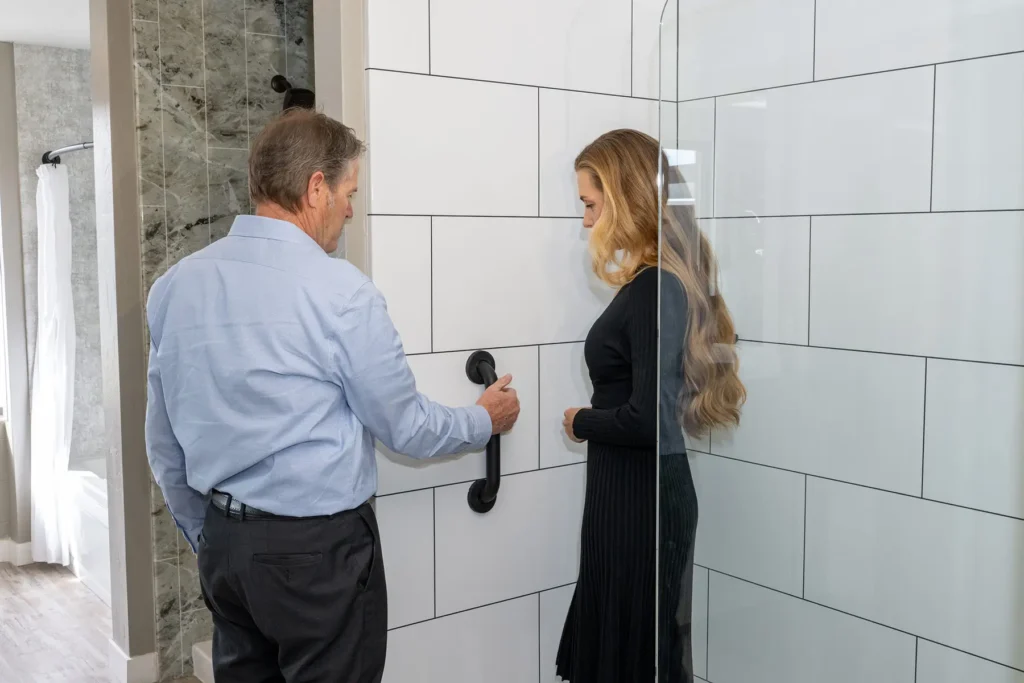
A professional tub-to-shower conversion can help you make better use of your space and align with your design goals or bathing preferences.
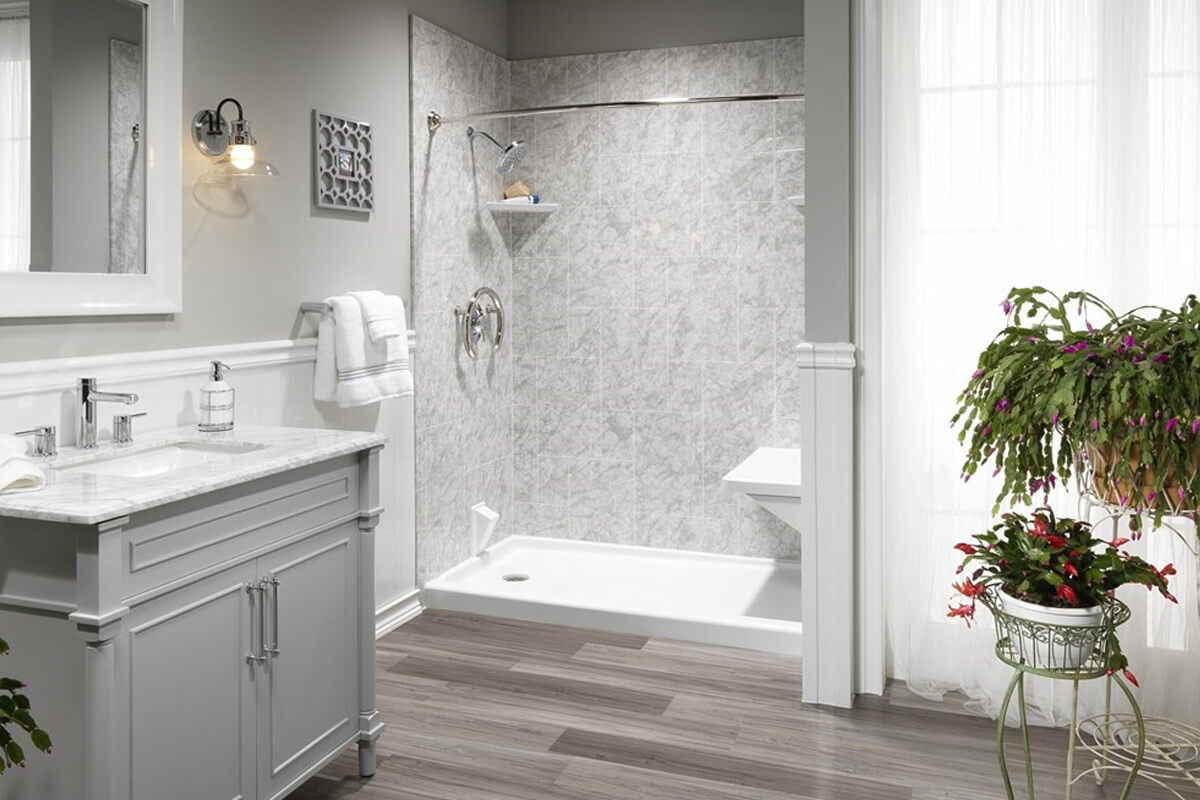
Some homeowners decide to switch from a tub to a shower simply for convenience. Others are focused on maximizing space in a small bathroom, and tile showers take up less space than bathtubs.
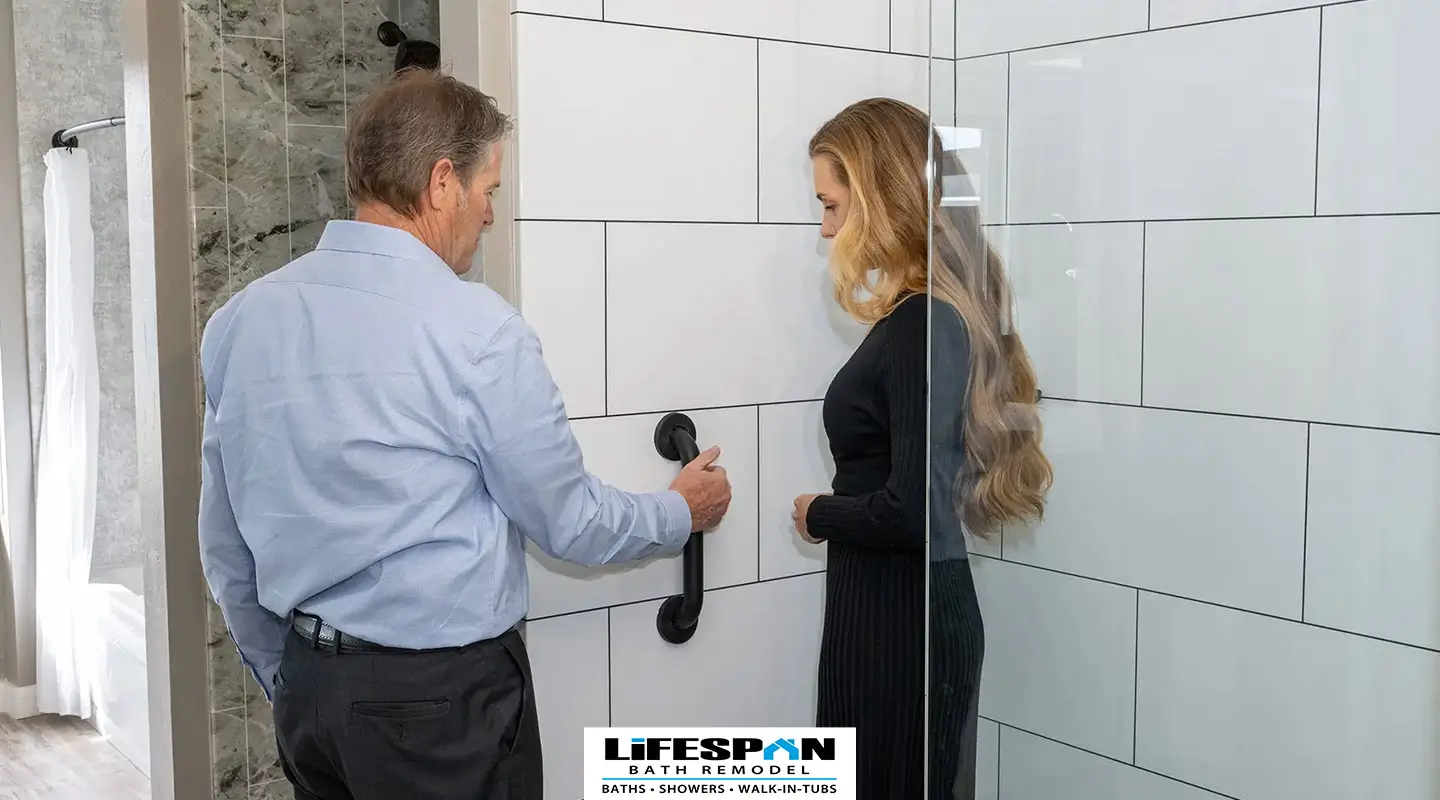
Additionally, walk-in showers can provide much-needed accessibility and safety features, especially for individuals with mobility issues or those at risk of slips and falls.
Regardless of your reasons for renovating, you’re probably wondering: how much is a tub-to-shower conversion going to set you back financially?
According to data compiled by Architectural Digest, the average cost of a tub-to-shower conversion falls around $3,000. However, some conversions cost as little as $1,200 while others can rack up to $8,000 in expenses.
That’s a pretty big price gap – so what makes some tub-to-shower conversions more expensive than others?
To answer that, let’s delve into the various factors that will contribute to your final shower conversion cost.
Cost Insight: The final price is usually determined before installation begins. Decisions around layout changes, materials, accessibility features, and plumbing adjustments can have a bigger impact on cost than the tub removal itself.
Factors That Influence Tub-to-Shower Conversion Costs
Type of Conversion
As you can imagine, the complexity of your tub-to-shower conversion will significantly influence its price tag.

If you’re looking to keep costs low, a straightforward Tub-to-shower remodeling approach using a prefabricated shower stall kit might be the way to go – but it comes with some serious limitations, which we’ll discuss later on in this post.
In comparison, a comprehensive renovation project involving a custom shower installation will certainly up your costs – but you’ll get exactly what you want.
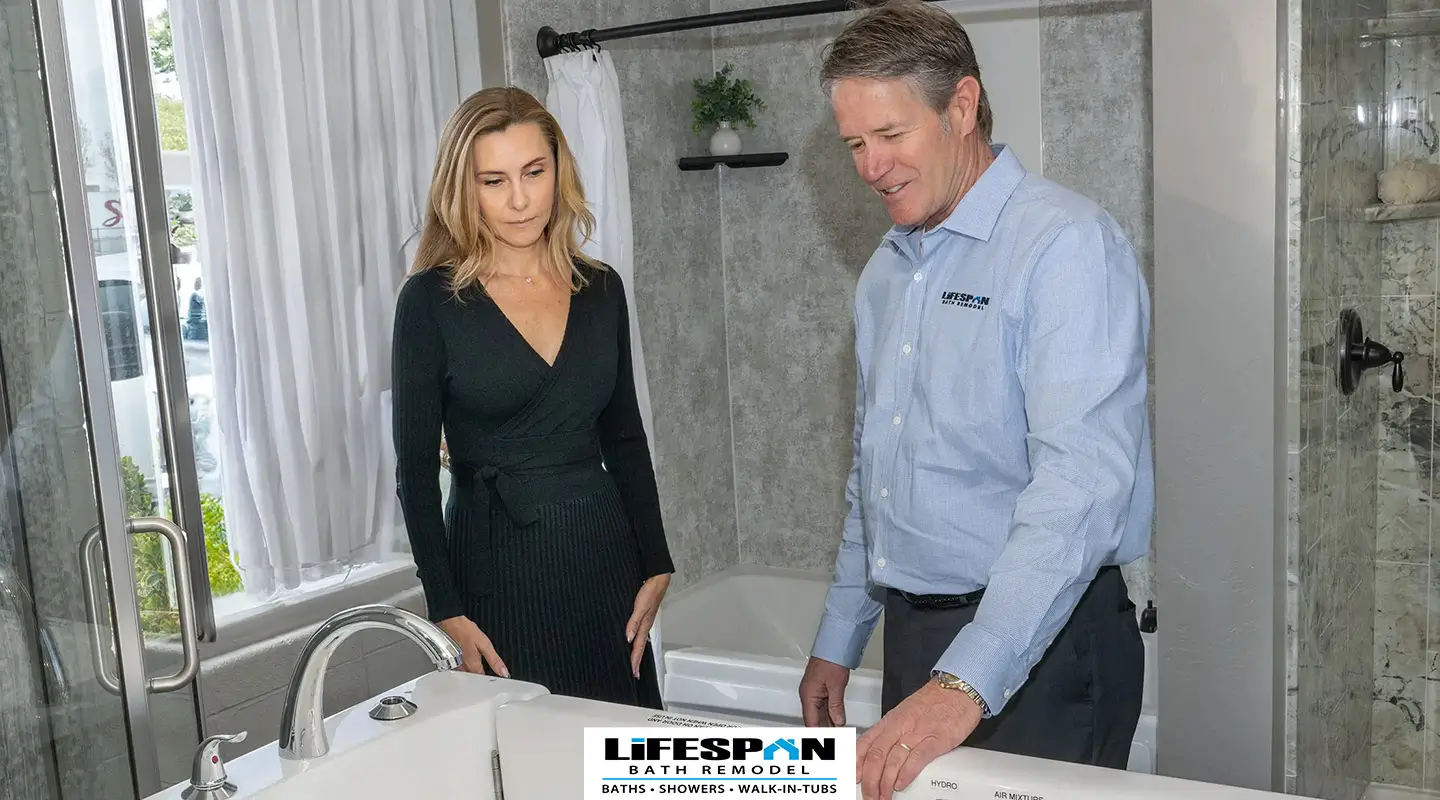
To better estimate your unique tub-to-shower conversion cost, talk to a professional bathroom contractor. They’ll develop a custom quote based on your desired shower size, as well as the project’s structural and plumbing requirements.
Quick Comparison: A basic shower conversion usually focuses on replacing the tub with a functional shower area, while a custom conversion allows more flexibility with layouts, finishes, storage, and accessibility features.
Shower Fixtures & Materials
Speaking of custom designs, your choice of materials and fixtures plays a pivotal role in defining the aesthetic appeal and cost of your new walk-in shower.
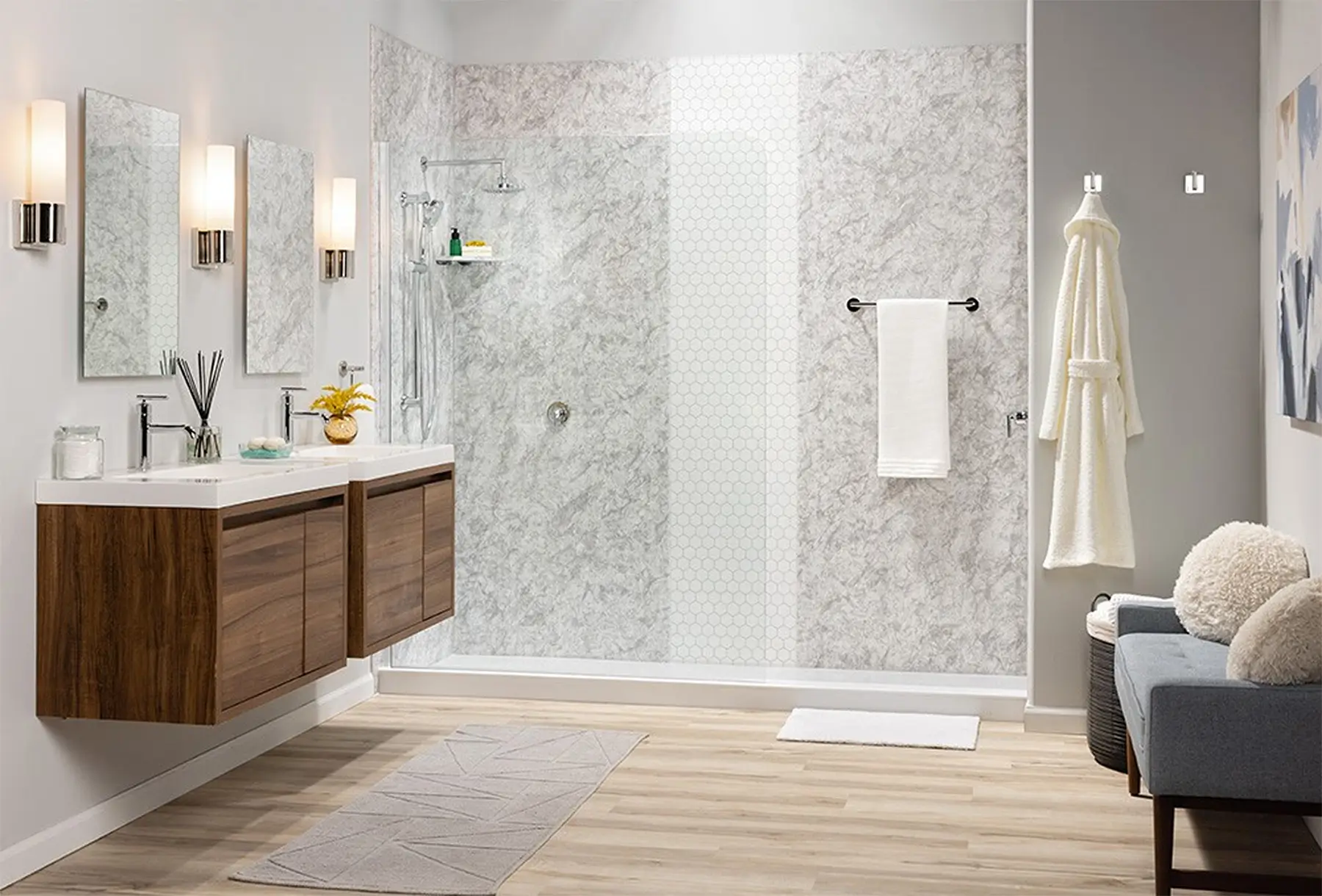
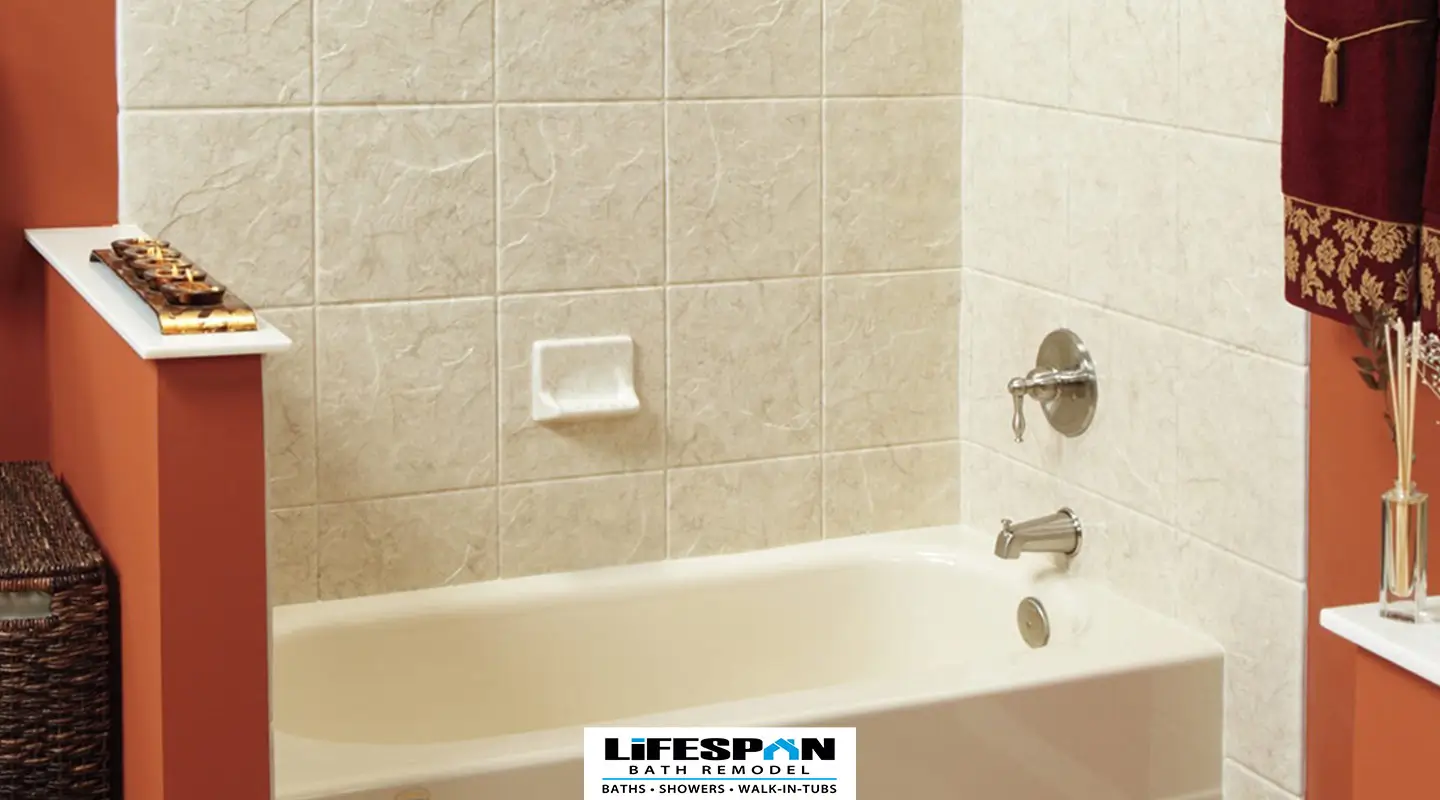
Opting for luxury features such as a premium-quality tile floor, glass enclosures, natural stone shower walls, or high-end plumbing fixtures can certainly elevate the overall look and feel of the space – but these will also contribute to higher shower remodel costs.
Conversely, budget-friendly alternatives can help you save money on your tub-to-shower shower conversion project, but they may not create the same feel and look that you want for your new shower.
Before making any big decisions, talk to your contractor. Enquire about your desired features and materials, then ask how they will impact the total cost of your tub-to-shower conversion.
Budget Tip: Prioritize features that are difficult or expensive to add later, such as plumbing upgrades, shower layout changes, or built-in accessibility features. Decorative upgrades can often be adjusted based on the remaining budget.
Required Plumbing Work
A huge factor in your tub-to-shower conversion cost is the required plumbing work. You’ll need to have professionals assess the existing plumbing infrastructure of your old bathtub, then determine what modifications or updates are necessary to accommodate your new walk-in shower.
Factors such as rerouting pipes, installing new drainage systems, adding a shower valve, or adjusting water supply lines can significantly impact the final tub-to-shower conversion cost.
A word of advice: don’t cut corners when it comes to plumbing. Instead, collaborate with a contracting company that will actually ensure your tub removal and shower installation goals align seamlessly with the plumbing layout and local building codes and regulations.
Hidden Cost Alert: Plumbing issues are often discovered after the existing tub is removed. An inspection before starting the project can help identify outdated pipes, drainage concerns, or code-related updates that may affect the final budget.
Labor Costs
The average tub-to-shower conversion is fairly labor-intensive. As a result, you need to account for some significant labor costs in your shower conversion project.
A professional installer will need time to…
- Remove the existing bathtub
- Prepare the space for the shower remodel
- Install the walk-in shower components
- Add any meticulous finishing touches
- Clean up after themselves
You’ll need to account for all of these tasks in your estimated labor costs. Although you can potentially save money by doing some of this yourself, it’s usually best to outsource the full tub-to-shower conversion to trained, experienced experts.
Planning Tip: A tub-to-shower conversion involves multiple steps beyond installation, including demolition, waterproofing, preparation, and finishing work. Understanding the full process helps homeowners set realistic expectations for project timelines.
Incorporating Walk-In Shower Additional Features
As you plan your custom shower, you’ll likely consider many details that could add to its functionality, beauty, or luxury. Additional features could include built-in seating, grab bars, niche shelves, or even a custom shower door – and all of these will incur extra costs.
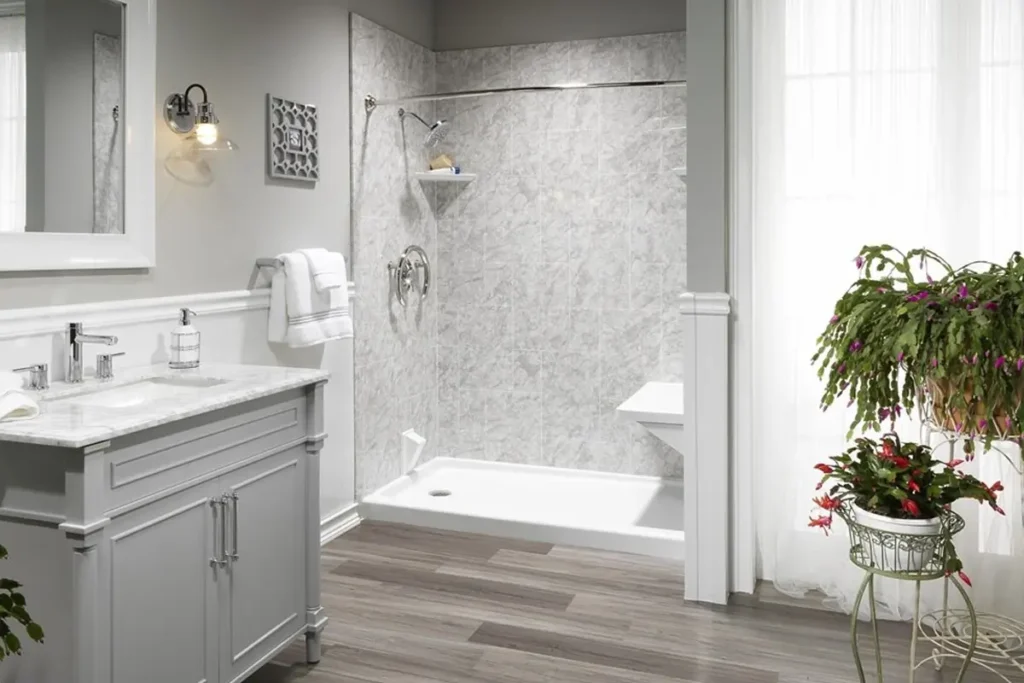
If you’re hoping to keep your spending low, carefully consider which features are non-negotiable and which are superfluous. Better yet, talk to your contractor about how to balance an affordable tub-to-shower conversion cost with everything you want in your custom shower.
Feature Checklist: Before selecting upgrades, consider how you use your shower daily. Features like seating, grab bars, storage niches, and handheld showerheads can improve convenience while adding long-term value to the space.
Permits and Inspections
Another thing to consider is how you’ll maintain compliance with local regulations and obtain permits for specific aspects of your tub-to-shower conversion, such as major plumbing alterations or structural modifications. This may involve building permit fees and associated inspection expenses, which are factored into the total cost of your tub-to-shower conversion.
For example, in the state of Utah, bathroom permit costs for shower-to-tub conversions typically range from around $50 to $200, although this can fluctuate based on factors such as the scope of the renovation, the extent of structural modifications involved, and the jurisdiction in which the project is located.
Permit Reminder: Permit requirements can vary based on location and the scope of work. Confirming requirements before construction begins can help avoid delays or changes during the remodeling process.
Contingency Planning
Lastly, as you plan your budget, you’ll need to anticipate unforeseen challenges and expenses that can pop up when switching from a tub to a shower.
For instance, what if your contractors discover mold that needs to be removed from your bathroom walls? Or what if you realize your required plumbing modifications are more complex (and expensive) than you initially thought?
That’s why it’s a good idea to build a buffer into your tub-to-shower conversion budget. This will help you rest easy at night knowing you won’t have to backtrack or jeopardize the quality of your shower remodel, even if you run into problems.
Decision Guide: A realistic budget should separate must-have improvements from optional upgrades. Start with safety, plumbing, waterproofing, and functionality before allocating money toward premium finishes.
In Summary
Navigating the cost dynamics of a tub-to-shower conversion requires a comprehensive understanding of the various factors at play.
By collaborating with experienced bathroom remodeling professionals and prioritizing your needs and budget constraints, you can start your renovation with confidence, knowing your walk-in shower vision won’t break the bank.
Get a FREE Quote to Convert Your Tub to a Shower
Ready to install a custom shower? Let’s talk.
Lifespan Bath Remodel offers shower installation services in Salt Lake City and the surrounding cities, including St. George. We’ll handle the entire process, from removing the existing tub to installing a brand-new shower floor and tile walls.
Before You Start Checklist: Confirm your preferred shower layout, material choices, accessibility needs, budget range, and any plumbing changes before the project begins. Having these decisions ready can make the renovation process smoother.
We’re here to customize every square foot of your bathing space. It doesn’t matter if you’re interested in a complete bathroom remodel or just creating a more enjoyable shower experience – let’s discuss your needs.
Contact us today to get a free quote for your renovation project. We’re also happy to provide tub-to-shower conversion before and after photos to spark your inspiration.
Frequently Asked Questions
1. Can I convert a tub to a shower in a small bathroom?
Yes. In fact, a walk-in shower works better in a small bathroom than a bathtub. Shower stalls usually have a smaller footprint and can be built with space-saving features like a corner entry or frameless glass doors that make the room feel larger. A professional contractor can help you figure out the best layout for your specific square footage.
2. Do I need a permit to convert a tub to a shower?
It completely depends on the scope of work. If conversion involves moving or modifying plumbing lines, permits are mostly required. Even small-scale projects may require inspection depending on your locality or county rules. Skipping permits can create problems when you sell the home, so it is important to check with your contractor or local building department before work progresses.
3. How do I choose between a walk-in shower and a shower-tub combo?
If your home has only one bathroom, a shower-tub combo is usually the safer choice for resale value since it covers both needs. If you have multiple bathrooms, converting one tub to a walk-in shower is generally fine and can actually improve appeal for buyers who prefer showers.
4. How do I find a reliable contractor for a tub-to-shower conversion?
Look for a licensed bathroom remodeling contractor with verified reviews, a portfolio of past shower conversions, and clearly mentioned quotes. You can ask specifically about their experience with plumbing modifications and local permit requirements. A trustworthy contractor will walk you through the full scope of work upfront. This can help maintain a transparent cost structure throughout the project.
Questions? Talk to a Pro.
We beat any competitor by $100! Call for details. (801) 532-2000
Recent articles
What Homeowners Should Know Before Choosing PuroStone for Their Shower Remodel
How to Decide If Your Bathroom Needs a Partial Upgrade or a Full Bathroom Remodel

What Bathroom Design Features Help Reduce Daily Maintenance?

What Causes Bathroom Remodeling Projects to Fail and How Can Homeowners Avoid Them?

What Are the Best Bathroom Upgrades for Aging Parents Living at Home?
7 Ways to Increase Bathroom Space When Remodeling

Which Bathroom Safety Features Prevent the Most Falls for Seniors?

What Should You Prioritize When Planning a Full Bathroom Remodel?
Related Posts
Matt Tychsen
October 1, 2026
What Homeowners Should Know Before Choosing PuroStone for Their Shower Remodel
TL;DR: Is PuroStone a Good Choice for a Shower Remodel? PuroStone may appeal to homeowners who want a clean shower look, fewer visible...
September 22, 2026
How to Decide If Your Bathroom Needs a Partial Upgrade or a Full Bathroom Remodel
Not every dated bathroom needs to be completely torn apart. Sometimes a few well-chosen updates can make the space feel new again. Other...
September 16, 2026
What Bathroom Design Features Help Reduce Daily Maintenance?
Some bathrooms feel harder to keep clean because their design traps moisture, soap residue, and clutter. Homeowners comparing bathroom remodeling considerations can reduce...