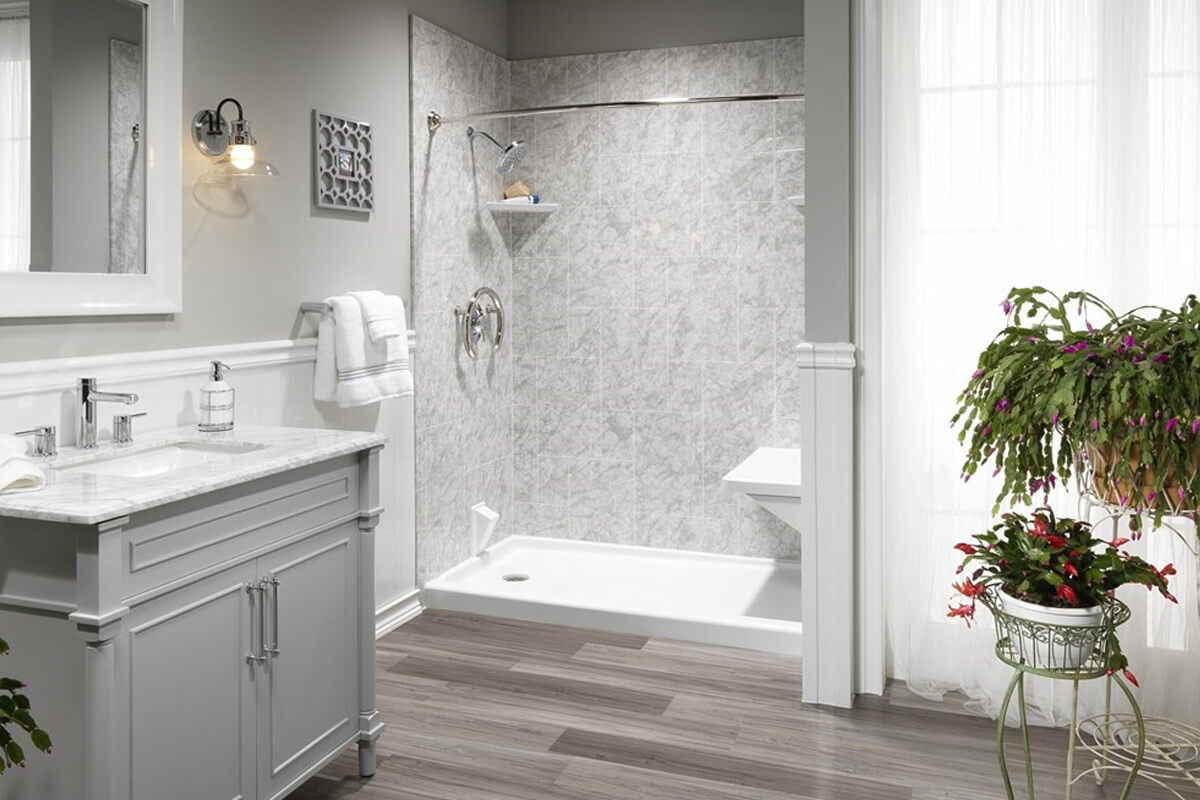

Somewhere out there, a homeowner is staring at a warped sauna wall, wondering where it all went wrong.
Spoiler alert: It started with a decision that seemed totally fine at the time.
An Angi survey found that 11% of homeowners caused home damage, injury, or safety hazards when attempting a DIY project, and sauna installations rank high on that list.
This data shows that the margin for error is slim, and the problems are not always obvious. Sometimes it is the wood finish you picked, the gap you left near the heater, or the vapor barrier you skipped that slowly turns into a bigger problem.
But none of that has to be your story.
Let’s walk through the common DIY mini sauna construction mistakes to avoid, what causes them, and the practical steps to make sure your build gets done right the first time.
Mistake 1: Starting Without a Clear Sauna Plan
Many problems begin before tools come out. Picking a kit, choosing a corner, and framing without checking power, vent paths, door swing, or ceiling height lead to costly changes later.
A good plan covers sauna type, heater size, room size, bench layout, wall build, floor type, and access needs. For any home sauna installation, mapping the room on paper first is one of the most valuable home sauna tips you can follow.
If you want a custom sauna for your home, plan for long-term use, too. A low step, wider path, and stable grab area make your sauna installation at home safer for years ahead.
Mistake 2: Choosing the Wrong Location
Location shapes cost, comfort, and daily use. Indoor saunas work best near a shower or changing space, but the room must handle heat and moisture. Outdoor saunas need a level base, weather-safe wiring, and a clear path year-round, especially in Utah’s winter and heat.
Your sauna installation at home layout should also leave enough room for a clear door swing, good lighting, and a safe approach path. For seniors, a bench near the entry and slip-resistant flooring outside the sauna are among the most overlooked home sauna tips.
Mistake 3: Ignoring Ventilation
Poor venting is one of the most common DIY mini sauna construction mistakes to avoid.
Your sauna needs air movement for comfort, heat balance, and moisture control. Since Americans spend 90% of their time indoors on average, indoor air quality and ventilation matter even more, especially in enclosed spaces like saunas.
A traditional setup uses a low intake vent near the heater and an exhaust vent on the opposite wall. Infrared units still need air exchange. Skipping this step is a recurring issue in home sauna installation projects of all sizes.
Vent paths should lead to a proper interior or exterior location based on code, and a local trade pro can confirm the right route.
Mistake 4: Underestimating Electrical Needs
A sauna heater draws more power than most homeowners expect. Small infrared units use a standard circuit, but traditional heaters need a dedicated one.
Guessing on power can trip breakers, overheat wiring, or delay your project. A licensed electrician should review panel capacity, wire size, and shutoff needs before your sauna arrives. No solid home sauna installation plan skips this step.
If you plan to install a sauna in a home near a bathroom, ground-fault protection and moisture-rated fixtures are non-negotiable.
Mistake 5: Using the Wrong Wood and Wall Materials
Your sauna needs materials that handle heat without warping or off-gassing. Softwoods like cedar, hemlock, and aspen stay comfortable to the touch and resist heat damage. Treated lumber, vinyl panels, and standard drywall inside the hot room can fail.
For a custom sauna for the home, your material choices define the feel and the lifespan of the build. Wall layers matter just as much. Framing, insulation, foil vapor barrier, furring strips, and interior boards must be layered correctly.
Poor wall design traps moisture where it shouldn’t be, and it’s one of the DIY mini sauna construction mistakes to avoid that stays hidden until it’s too late.
Mistake 6: Sizing the Heater Without Room Data
A heater that’s too small won’t reach the target heat, and the large one heats the air before the benches and walls catch up. Use manufacturer sizing charts that account for room volume, glass area, insulation, and outdoor exposure.
Outdoor saunas in cold Utah climates need more output than a similar indoor room. Factor that into your sauna installation at home plan early.
Traditional saunas heat air and stones, and infrared panels heat your body directly. Each type has different power and clearance needs, and infrared sauna home safety tips include keeping panels clear and confirming timers work correctly.
Mistake 7: Forgetting Floor and Slip Safety
Your sauna floor deals with constant moisture, cleaning water, and daily foot traffic, so the right materials make a big difference.
Tile, sealed concrete, and approved sauna flooring are reliable options. Wood duckboard mats make the space feel more comfortable underfoot, but need regular cleaning to prevent moisture buildup.
In some setups, adding a floor drain can help, though it only works properly when paired with the right slope and plumbing. Many home saunas are also installed near showers or tubs, which increases the risk of slippery floors.
A bath mat alone will not solve poor drainage or slick tile. Slip-resistant flooring, proper lighting near the entrance, and towel hooks placed outside the heat zone make the space much safer and easier to use.
These home sauna tips are just as important as any technical installation, especially for a home sauna installation designed for older adults.
Mistake 8: Skipping Clearances and Fire Safety
Sauna heaters need to be set at distances from walls, benches, and ceilings, around 4 inches from the sides and rear, and 12–18 inches from the ceiling.
Ignoring them can scorch wood or create a fire risk. Lights, switches, and sensors must be rated for heat and moisture, glass should be tempered, and the door must open easily without the risk of trapping someone inside. These are core to any responsible sauna installation at home.
For older adults, add stable benches, rounded edges, cool-touch handles, and a timer to limit session length. A caregiver should be able to open the door from the outside. These infrared sauna home safety tips also apply to traditional builds and often what separates a safe custom installation from a hazardous one.
Mistake 9: Treating a DIY Mini Sauna Like a Simple Closet Build
A small sauna may look easy, but heat changes the rules. Thin wall panels, no vent path, poor insulation, and a plug-in heater create problems that stay hidden until regular use begins.
The core DIY mini sauna construction mistakes to avoid include weak framing, unsealed gaps, poor bench support, and unsafe heater placement, which apply to mini builds and full rooms.
Before you start, run through a short checklist that includes confirming permit needs, measuring room volume, checking electrical capacity, selecting heat-rated wood, planning vents, marking heater clearances, choosing slip-resistant flooring, and reviewing access for mobility aids.
This checklist supports a safer home sauna installation and helps you compare kits versus a custom sauna for home builds.
Build Your Home Sauna the Right Way From Day One
Every mistake in this guide comes down to overlooked details.
Weak ventilation, rushed planning, poor material choices, unsafe electrical work, and layouts that ignore accessibility lead to higher costs and long-term problems, which are completely preventable.
For homeowners in Utah, climate conditions and accessibility needs make careful planning even more important. When you’re ready to move from planning to installation, having the right team matters.
At Lifespan Bath Remodel, we have served Utah homeowners for more than 32 years, delivering affordable, high-quality bathroom and wellness upgrades, including custom saunas for home installations.
With a 4.7/5 Google rating, we handle everything from planning and sauna installation at home to complete bathroom remodels.
Schedule your free in-home consultation with Lifespan Bath Remodel today and get your sauna done right.
Questions? Talk to a Pro.
We beat any competitor by $100! Call for details. (801) 532-2000
Recent articles
What Homeowners Should Know Before Choosing PuroStone for Their Shower Remodel

How to Decide If Your Bathroom Needs a Partial Upgrade or a Full Bathroom Remodel

What Bathroom Design Features Help Reduce Daily Maintenance?
What Causes Bathroom Remodeling Projects to Fail and How Can Homeowners Avoid Them?

What Are the Best Bathroom Upgrades for Aging Parents Living at Home?
7 Ways to Increase Bathroom Space When Remodeling

Which Bathroom Safety Features Prevent the Most Falls for Seniors?

What Should You Prioritize When Planning a Full Bathroom Remodel?
Related Posts
Matt Tychsen
October 1, 2026
What Homeowners Should Know Before Choosing PuroStone for Their Shower Remodel
TL;DR: Is PuroStone a Good Choice for a Shower Remodel? PuroStone may appeal to homeowners who want a clean shower look, fewer visible...
September 22, 2026
How to Decide If Your Bathroom Needs a Partial Upgrade or a Full Bathroom Remodel
Not every dated bathroom needs to be completely torn apart. Sometimes a few well-chosen updates can make the space feel new again. Other...
September 16, 2026
What Bathroom Design Features Help Reduce Daily Maintenance?
Some bathrooms feel harder to keep clean because their design traps moisture, soap residue, and clutter. Homeowners comparing bathroom remodeling considerations can reduce...