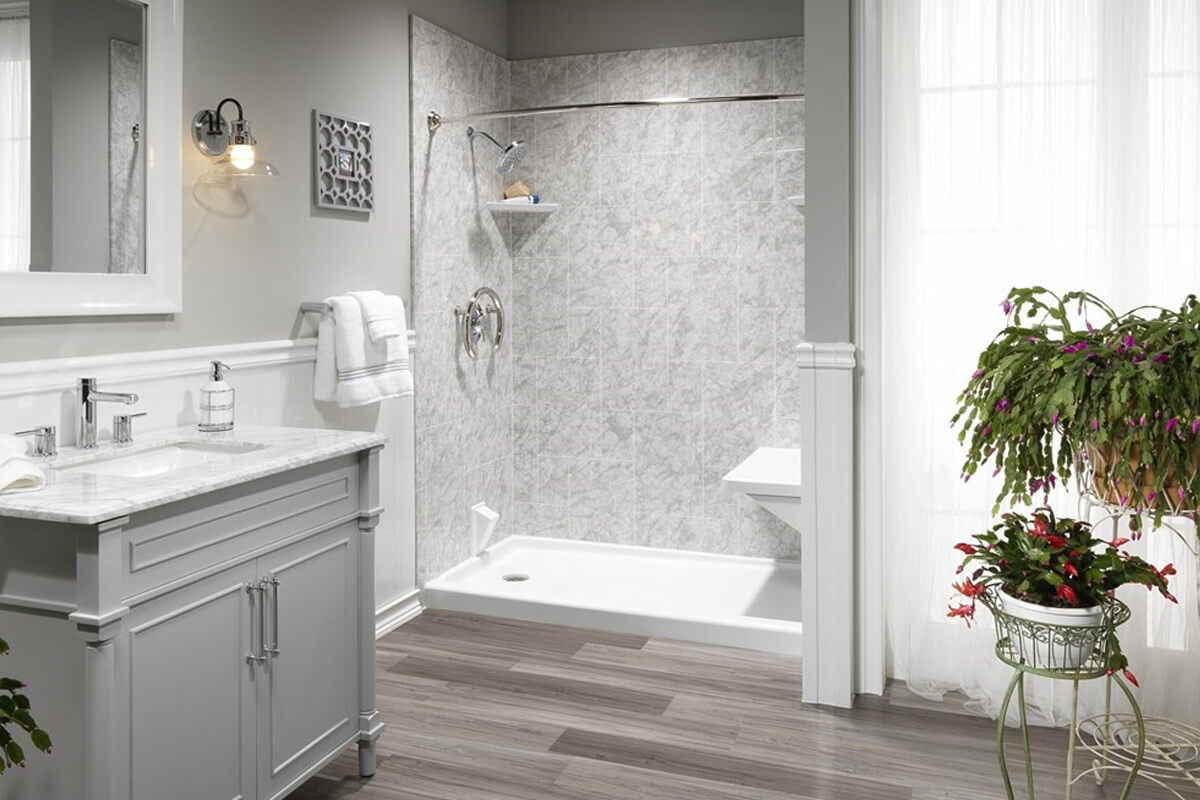

Your bathroom countertop is the centerpiece of your daily routine. From toothpaste splatters to hot curling irons, it takes a beating every day.
As such, the material you choose determines whether it still looks great years from now or starts showing wear after one busy season.
According to the National Kitchen & Bath Association’s 2026 Kitchen Trends Report, countertop materials remain one of the top design priorities for homeowners planning remodels. For Utah families and seniors, the decision goes beyond aesthetics; it’s about comfort, safety, and how easily the space fits into everyday life.
In this guide, you’ll learn:
- The most popular bathroom countertop materials and how they compare
- Which surfaces balance durability, style, and maintenance
- The best countertop options for families, seniors, and multi-generational homes
- Safety and accessibility tips for a smarter remodel
- How to choose the right countertop for your style, budget, and long-term needs
Why Countertop Material Matters
Bathroom countertops face more abuse than almost any other surface in the home. They deal with heat, moisture, spills, and constant cleaning, all while setting the tone for how your bathroom looks and feels.
The material you choose determines how well your vanity stands up to years of daily use.
Built for Real Life
Family bathrooms see it all: splashes from kids, makeup spills, and the occasional dropped razor or hair dryer. A durable surface can take that wear without staining or cracking.
Non-porous materials like quartz and solid surface make cleanup quick, while natural stone brings warmth and individuality to the space.
Comfort and Accessibility
For seniors or multi-generational homes, countertop material is as much a safety consideration as it is a design one. Rounded edges and non-slip finishes reduce the risk of injury, and easy-to-clean surfaces make daily routines simpler for everyone.
The right height, texture, and layout can turn a beautiful bathroom into one that’s both comfortable and accessible.
Top Bathroom Countertop Material Types
There’s no universal answer when it comes to bathroom countertops. Each material offers its own mix of beauty, durability, and maintenance needs.
Understanding these differences helps you find the surface that fits your home and lifestyle best.
Natural Stone Countertops
Granite, marble, and soapstone remain classics for a reason. They bring natural beauty and unique patterns that no two bathrooms share.
- Granite is a top performer for durability and heat resistance.
- Marble delivers timeless luxury but requires sealing and care to avoid stains and etching.
- Soapstone has a softer, matte feel and resists moisture well, but can scratch more easily.
Natural stone works best for homeowners who value elegance and are comfortable with a little maintenance in exchange for long-term style.
Engineered and Solid Surface Options
Quartz and solid surface materials offer the look of stone without the upkeep.
- Quartz blends crushed natural quartz with resin, creating a non-porous surface that resists stains and never needs sealing.
- Solid surface is made from acrylic or polyester blends, offering a smooth, seamless finish that’s easy to repair if scratched.
These options are ideal for families who want durability and simplicity, especially in high-traffic bathrooms where water and heat are constant factors.
Eco-Friendly Alternatives
If sustainability matters to you, consider recycled glass or composite surfaces made from recycled paper or concrete.
- Recycled glass countertops create a bold, colorful look while reducing environmental impact.
- Composite materials balance performance with eco-conscious design, offering strong resistance to moisture and wear.
These eco-friendly choices are perfect for homeowners who want a modern look that’s as responsible as it is durable.
Comparing Popular Bathroom Vanity Countertop Materials
Choosing a countertop is about how the material performs under pressure. From curling irons to toothpaste spills, every surface faces daily wear.
Here’s how the most common materials stack up in real-world use.
Quartz vs. Granite vs. Marble
Quartz tops the list for convenience. It’s non-porous, stain-resistant, and consistent in color and texture, which makes it a favorite for busy family bathrooms.
Granite offers natural beauty and depth with patterns unique to each slab. It handles heat well but needs occasional sealing to stay resistant to moisture and stains.
Marble makes a stunning statement, but it’s softer and more porous, which means it’s prone to scratches and etching from common bathroom products. Homeowners who love its elegance just need to plan for a little more care.
Laminate and Solid Surface Options
Laminate remains a budget-friendly choice that mimics stone or wood finishes at a fraction of the cost. It’s lightweight, easy to clean, and great for guest bathrooms. However, it can chip or warp with prolonged water or heat exposure.
Solid surface countertops bridge the gap between laminate and stone. They’re seamless, easy to repair, and available in a wide range of colors, ideal for homeowners who want durability without the premium price tag of quartz or granite.
Heat, Stain, and Moisture Resistance
Bathrooms test every material’s limits, from hot tools to standing water.
- Quartz and solid surface resist stains, moisture, and bacterial growth with minimal upkeep.
- Granite is naturally heat-resistant but needs sealing to block stains.
- Laminate can handle light daily use but isn’t built for extreme heat or long-term moisture.
When comparing materials, consider how your household actually uses the space, not just how it looks in a showroom.
Durable Bathroom Countertop Materials for Families
Family bathrooms are high-traffic zones full of morning rushes, toothpaste splatters, and the occasional dropped hairbrush. Choosing a countertop that can handle all of it without showing wear makes life easier and keeps your remodel looking new for years.
Scratch-Resistant Choices
If durability is at the top of your list, quartz and granite are the best performers. Both hold up against everyday nicks from jewelry, razors, or styling tools.
Quartz offers extra peace of mind with its non-porous surface, while granite’s natural strength and heat tolerance make it a long-term favorite.
Easy-to-Clean Surfaces
The fewer scrubbing sessions, the better. Non-porous materials like quartz, solid surface, and composite countertops block out moisture and bacteria.
A quick wipe with mild soap is usually all it takes; no sealing, polishing, or special cleaners required.
Practical for Families and Seniors
Rounded edges, matte finishes, and softer corners go a long way in keeping bathrooms safe and comfortable for all ages.
These subtle design choices help reduce slips and bumps while maintaining a clean, finished look. Engineered materials can even be customized with edge profiles that balance safety and style.
Accessibility and Safety Considerations
The best bathroom designs look good and work well for everyone, from kids brushing their teeth to seniors moving with care.
Countertops play a bigger role in that balance than most people realize.
Safer Edges and Finishes
Smooth, rounded edges (often called bullnose or ogee) reduce sharp corners and lower the risk of bumps or bruises.
Finishes with a subtle texture also help prevent items from slipping, especially when the surface gets wet.
Height and Reach Comfort
Standard countertops sit around 32 to 36 inches high, but lowering the surface or leaving open space beneath can make it easier for wheelchair users to reach comfortably.
Thoughtful design choices like these make the space both accessible and beautiful.
Everyday Ease for All Ages
Non-porous materials like quartz and solid surface not only simplify cleaning but also keep bacteria and mold from taking hold. That’s a key detail for families with kids or anyone managing mobility or health concerns.
Choosing the Best Option for Your Remodel
Every bathroom is different, but the goal is the same: finding a countertop that fits your space, style, and lifestyle.
Start by identifying what matters most: easy cleaning, safety, long-term value, or resale appeal. That clarity makes choosing a material much simpler.
Balancing Cost and Longevity
Budget-friendly materials like laminate or solid surface can be great for guest baths or quick updates, while quartz and granite offer decades of durability in high-use spaces.
Think of cost in terms of lifespan, not just the installation price. Paying more up front often saves time and maintenance later.
Customization and Style
Today’s countertop materials come in more colors, patterns, and edge styles than ever. Quartz can mimic marble or granite without the upkeep, while solid surface options offer seamless integration with your sink for a clean, modern look.
Ask your remodeler about samples to see how each material responds to your bathroom’s lighting and finishes.
Expert Guidance for Your Remodel
If you’re still unsure, that’s where a professional can help.
A bathroom remodeler can match materials to your needs, recommend upgrades like improved ventilation or lighting, and make sure your new countertop complements the rest of your design.
Build a Bathroom That Lasts
At Lifespan Bath Remodel, we help Utah homeowners design bathrooms that work for real life. They’re beautiful, durable, and easy to maintain.
Whether you’re updating a vanity, expanding for accessibility, or planning a full remodel, our team helps you choose materials that balance performance and style.
Talk with our remodeling experts about your next project, and we’ll help you create a bathroom built to last, right down to every countertop, fixture, and finish. Schedule your free bathroom consultation today.
Questions? Talk to a Pro.
We beat any competitor by $100! Call for details. (801) 532-2000
Recent articles

How to Fix Common Bathroom Design Mistakes in Remodels
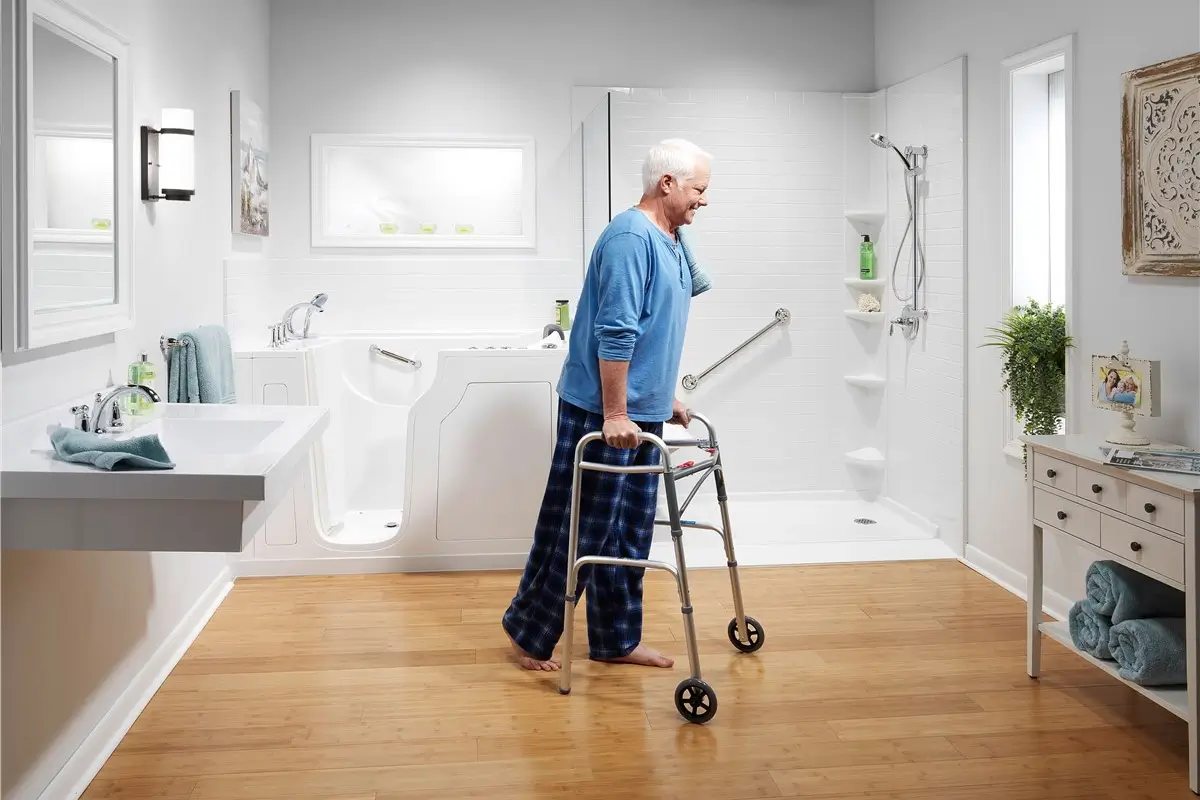
Why Walk-In Tubs Are a Must for Aging in Place

Why a Bathroom Remodel Is One of the Best Home Investments
How to Prepare Your Home for a Bathroom Renovation

What to Expect During a Bathroom Remodel: Step-by-Step
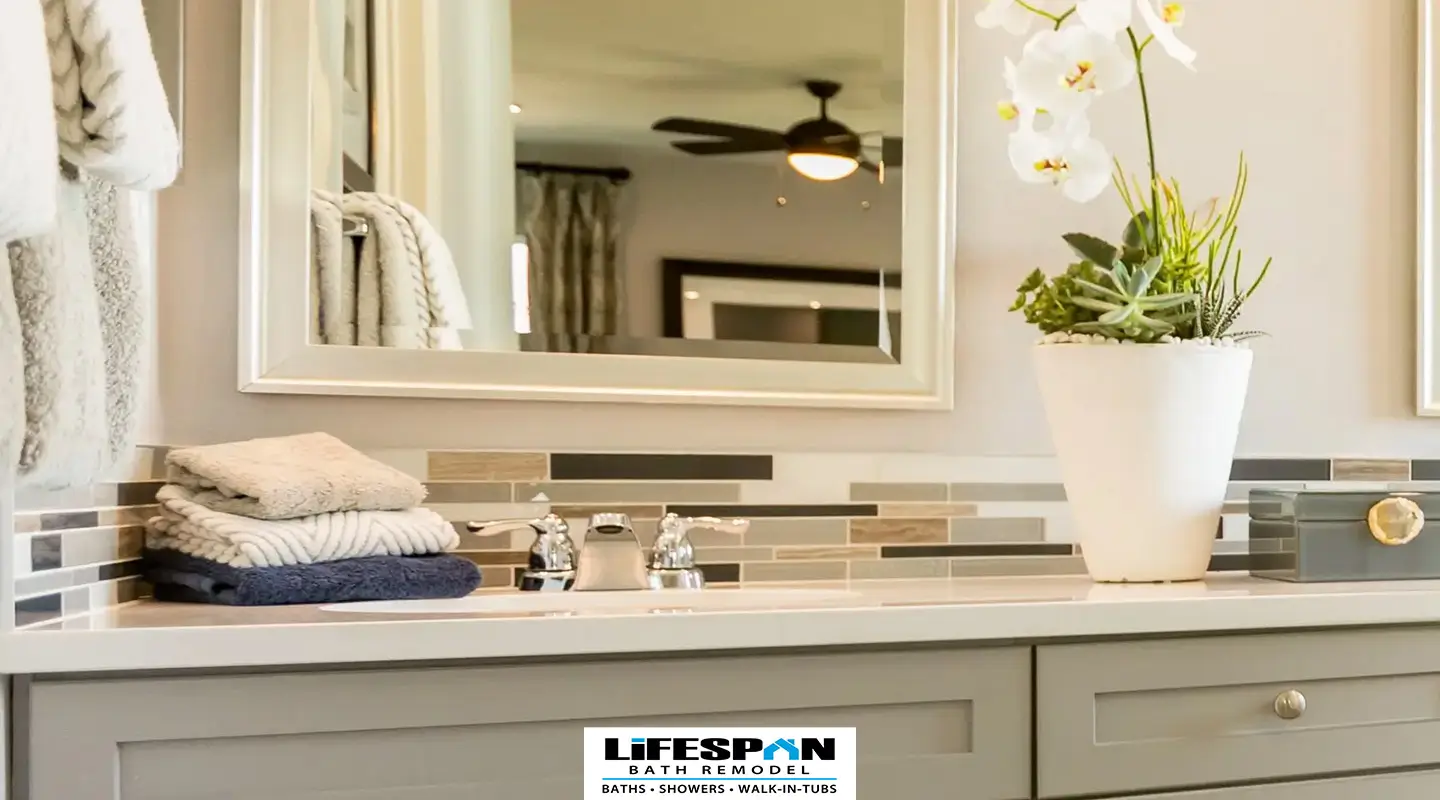
How to Choose the Right Vanity for Your Bathroom

Custom Bathroom Remodel vs Prefab Remodel: Which Is Better for Your Home?
How Scandinavian Bathroom Design Brings Calm to Modern Baths
Related Posts
Russ Tychsen
February 11, 2026
How to Fix Common Bathroom Design Mistakes in Remodels
Planning a bathroom remodel is exciting. You start gathering bathroom design ideas, saving inspiration photos, choosing tile samples, and picturing what the finished...
February 6, 2026
Why Walk-In Tubs Are a Must for Aging in Place
For years, you probably never gave your bathtub a second thought. You step in and step out with little to no hesitation. But...
January 27, 2026
Why a Bathroom Remodel Is One of the Best Home Investments
Let’s talk about bathrooms: the room you visit first thing in the morning and the last place you stand before bed. When it...