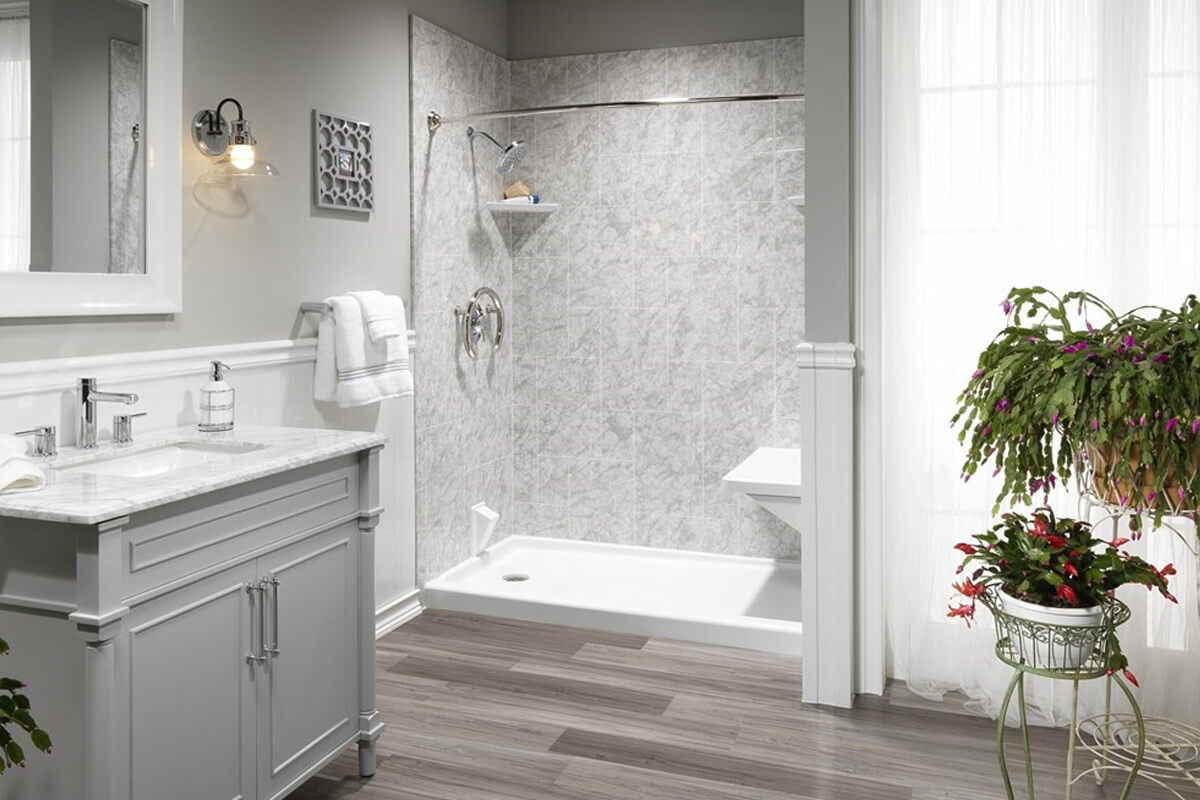
For many households, the bathroom is the most dangerous room in the house.
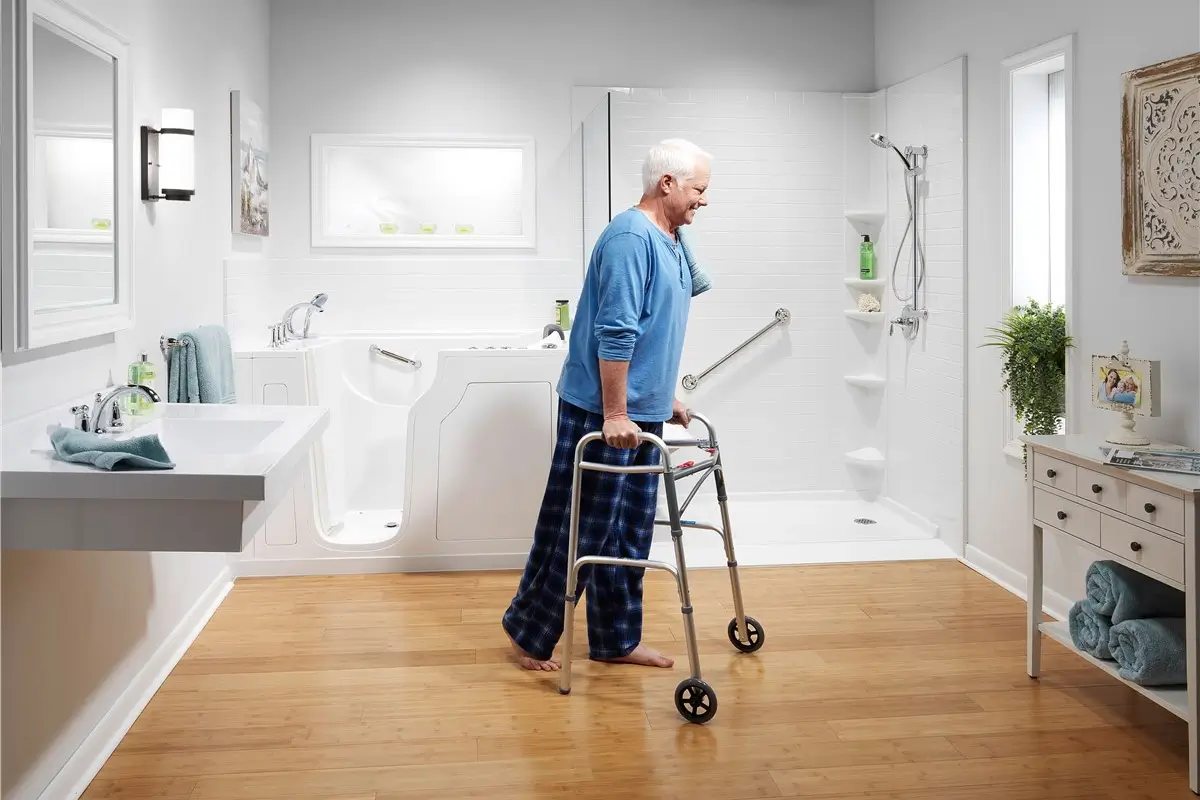
Slippery floors, high tub walls, and tight spaces make bathroom-related injuries far too common, especially for an older adult living with mobility challenges or medical conditions.
In fact, it’s been estimated that up to 80% of falls among older adults happen in the bathroom.
If you’re considering remodeling your bathroom to be safer for senior loved ones, you’re not alone. Maybe a family member recently slipped, or someone ended up in the emergency room after a fall. Maybe you simply see how getting in and out of traditional tubs has become harder.
A walk-in tub can dramatically reduce risk while restoring independence and dignity. Here’s how.
Why Bathroom Falls Are So Common
Falls happen quickly, often on wet surfaces where footing is unstable.
For an older adult, even one fall can mean a broken hip, long-term mobility issues, or extended recovery time. Once someone experiences a fall, confidence drops. The bathing routine becomes stressful, and their family members worry.
Tub safety solutions matter because most falls happen at home and occur in familiar places we use every single day. A walk-in tub is one of the many upgrades that can help you and your family rest easy at night.
The Problem with Traditional Tubs
Traditional tubs require you to:
- Step over a tall side wall
- Lower yourself down to the floor of the tub
- Stand up from a slippery surface
- Step back out onto the tile
For someone with mobility issues, muscle pain, or balance concerns, that movement pattern is risky. Even adding non-slip mats or a shower chair doesn’t completely eliminate the height issue.
A standard walk-in tub is designed to solve that core problem.
How a Walk-In Tub Improves Fall Prevention
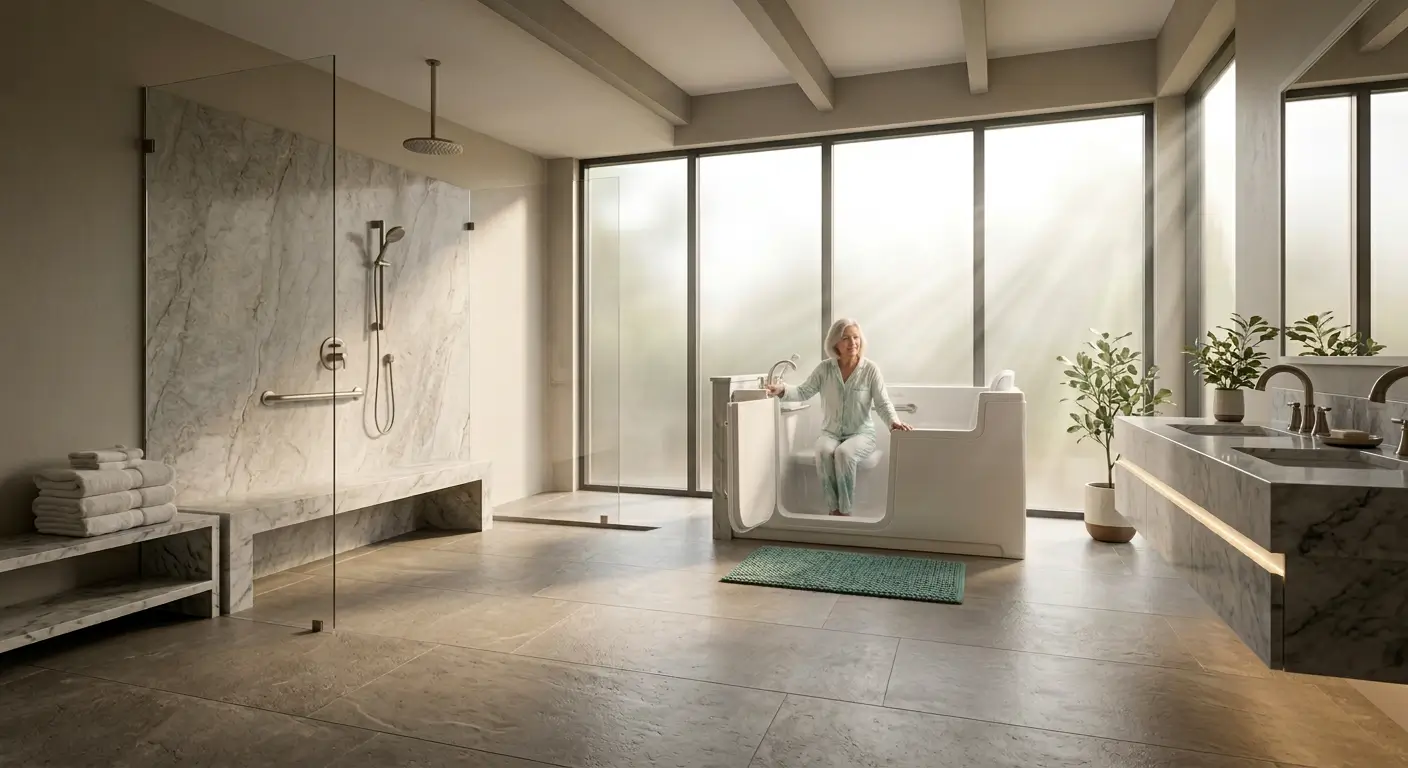
A walk-in bathtub features a low threshold entry and a watertight door. Instead of stepping over a high wall, you step through a door that seals once closed. This simple design change supports fall prevention in a big way.
Here’s what else makes a walk-in bath safer:
1. Low Step Entry with a Watertight Door
The door allows entry without lifting your leg high, reducing strain and improving stability.
2. Built-In Grab Bars
Properly placed grab bars provide support when sitting and standing. If you’ve wondered what type of rail used in bathrooms to prevent falls is best, integrated grab bars are far more secure than temporary add-ons.
3. Built-In Seating
Rather than lowering yourself to the floor of the tub, you sit on a chair-height seat. This is easier on the knees and hips.
4. Non-Slip Surfaces
Slips and falls in bathtubs and showers are among the most common types of bathroom incidents. That’s why most walk in tub models include textured, non-slip surfaces designed specifically for wet environments.
5. Fast Drain Technology
Worried about waiting while the tub drains? Modern models include fast drain technology to reduce drain times so you aren’t sitting in cooling water longer than necessary.
Together, these safety features help prevent falls while making the bathroom feel secure again.
Beyond Safety: Comfort and Therapeutic Benefits
A walk-in bath reduces risk, but it can also improve comfort and well-being.
Different types of walk-in tub models include:
- Hydrotherapy jets
- Air jets
- Water jets for circulation
- Heated backrest options
- Deep soaking capability
- Whirlpool tubs functionality
Warm water combined with hydrotherapy jets can help relieve muscle tension, soothe muscle pain, and support recovery from certain medical conditions. For some homeowners, this turns bathing from a stressful task into a spa-like experience.
Options for Different Mobility Needs
Not every household is the same. The best choice of a walk-in tub depends on your mobility needs, space, and goals.
Available tub type options may include:
- Standard walk-in tub designs
- Bariatric tubs for more room and higher weight capacity
- Wheelchair accessibility configurations
For families caring for a loved one, an occupational therapist may even recommend specific bathroom safety solutions or assistive devices to support independence.
Comparing Walk-In Tubs to Other Bathroom Safety Solutions
When families begin thinking about bathroom fall prevention, they usually start small. A few simple updates can feel manageable, affordable, and quick to install.
If an older adult has recently had a close call (or worse, a trip to the emergency room), those first changes often happen fast. The goal is simple: prevent falls and reduce risk right away.
Many homeowners start with:
- Raised toilet seat
- Shower chair
- Additional grab bars
- Night lights
- Non slip mats
These are practical bathroom safety solutions. However, none of them eliminate the biggest structural hazard: stepping over the high wall of traditional tubs.
A walk-in tub installed as part of a home improvement plan addresses that root risk. Instead of working around the problem, it redesigns the entry point entirely. With a low threshold door, built-in seating, and integrated grab bars, a walk-in tub changes how you enter, sit, and exit.
For many worried families, that shift brings something just as important as safety: peace of mind.
What About Cost?
One of the most common questions is about walk-in tubs cost. Homeowners want to know what this is going to cost them.
According to nationwide estimates by Angi, the average price for a walk-in bathtub installation falls around $8,000. However, the low-end of the spectrum is about $3,000, while the high-end can reach up to $15,000 and beyond.
Walk-in tubs cost varies depending on:
- The specific tub type
- Comfort features and therapeutic features
- Plumbing adjustments
- Whether a new water heater is needed
- Professional installation requirements
The purchase price typically includes the unit and installation. Tub installation requires professional installation to properly seal the watertight door, connect plumbing, and confirm proper drain times.
Some homeowners explore financing options to make the upgrade manageable. In certain cases, financial assistance may be available through VA benefits, insurance plans, or other programs. A walk-in tub depends on eligibility and documentation.
Protecting Independence at Home
For many families, the goal of a walk-in tub is safety and independence.
An older adult who feels safe bathing alone regains confidence as they age in place. A family member no longer worries about another emergency room visit. The bathroom becomes an essential room that supports daily living instead of threatening it.
Fall prevention is one of the most important ways to preserve your loved one’s dignity, protect their health, and avoid preventable bathroom-related injuries.
Is a Walk-In Tub Right for You?
A walk-in tub upgrade may be worth considering if:
- You or a loved one has experienced falls in the bathroom
- You’re concerned about a broken hip or future injury
- You live with mobility challenges or chronic muscle tension
- You want comfortable bathing with added safety
- You plan to age in place in your own homes
Every walk-in bathtub installation is different. Walk-in tub installation depends on layout, plumbing, and other factors in your space.
At Lifespan Bath Remodel, we walk you through the options, whether that’s a standard walk-in tub, wheelchair accessible tubs, or a Kohler walk-in bath with therapeutic features.
A Safer Bathroom Starts with a Simple Conversation
If you’re exploring bathroom safety solutions, you don’t have to plan them alone.
Our team will talk you through your mobility needs, installation details, financing options, and everything else you need to know. We’re here to support your family’s well-being while also bringing comfort back to the bathroom.
If you’re ready to learn more about walk-in tub models or installation, Lifespan Bath Remodel is here to help you make your bathroom safer. Let’s talk.
Questions? Talk to a Pro.
We beat any competitor by $100! Call for details. (801) 532-2000
Recent articles
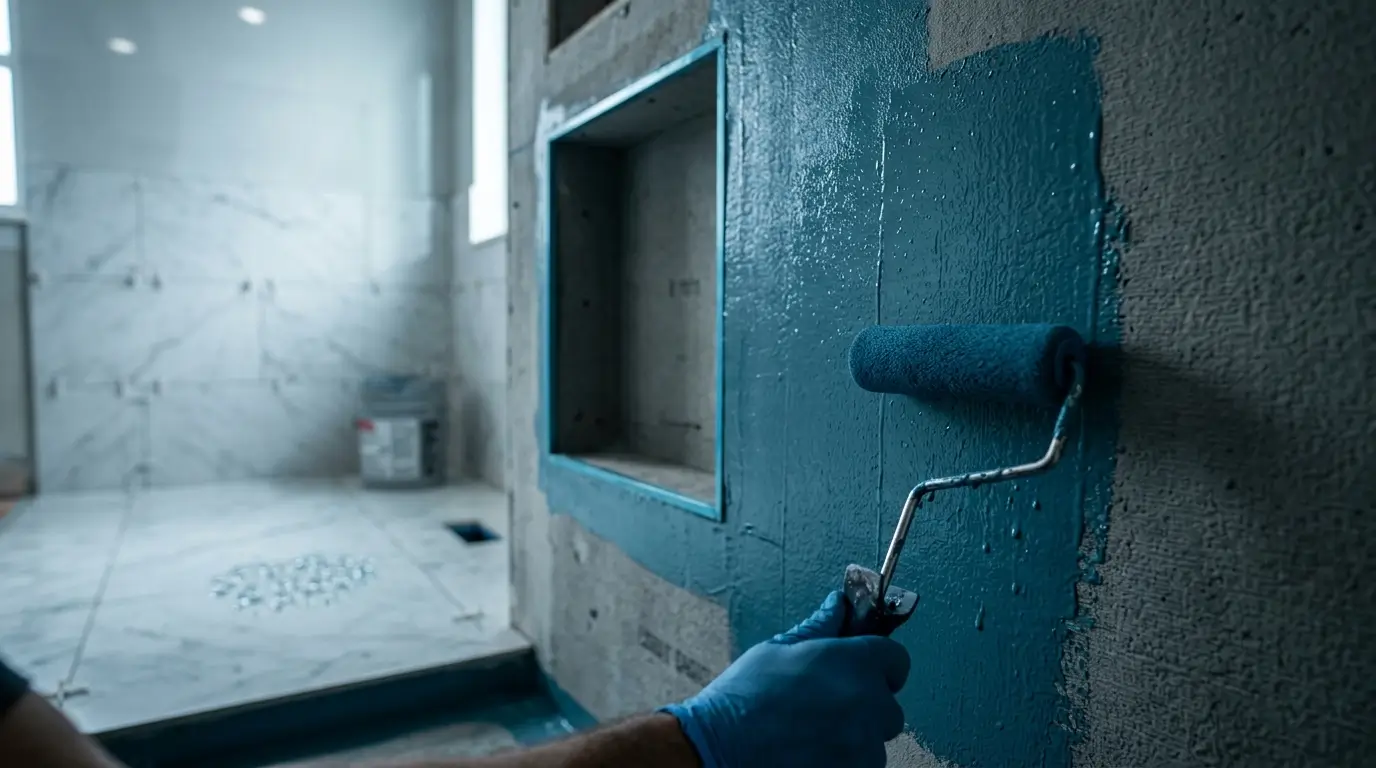
How Proper Waterproofing Protects Your Bathroom Remodel Long Term
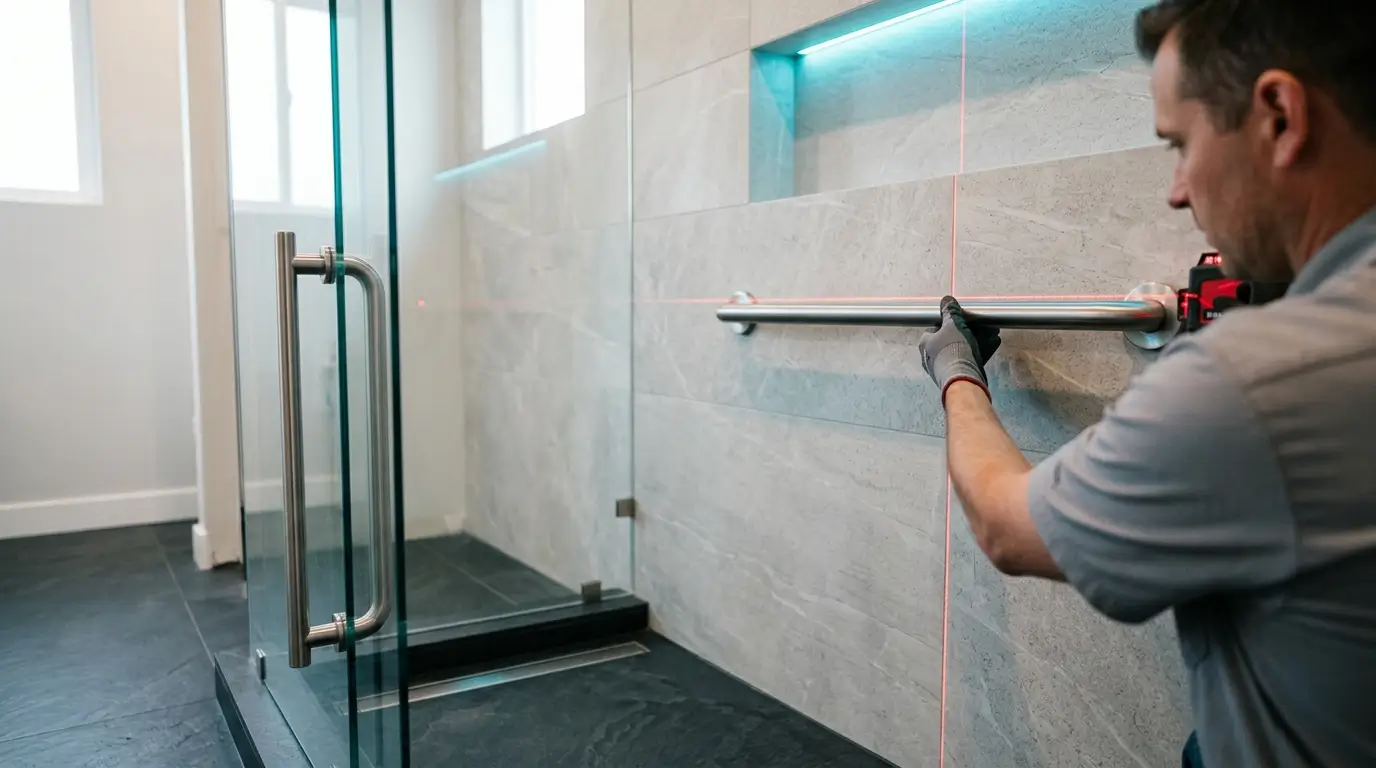
Grab Bar Installation Guide: Where to Place Shower and Tub Safety Bars

What to Know Before Installing a Cold Plunge Indoors
How Walk-In Tubs Reduce Fall Risks at Home
How to Maintain Your Bathroom After Remodeling

How to Fix Common Bathroom Design Mistakes in Remodels
Why Walk-In Tubs Are a Must for Aging in Place

Why a Bathroom Remodel Is One of the Best Home Investments
Related Posts
Russ Tychsen
March 18, 2026
How Proper Waterproofing Protects Your Bathroom Remodel Long Term
A bathroom remodel should feel like an upgrade, not something you worry about a few years later. The thing is, many Utah homeowners...
March 14, 2026
Grab Bar Installation Guide: Where to Place Shower and Tub Safety Bars
It only takes one slip on a wet shower floor to change everything. For many homeowners, the bathroom is one of the most...
March 4, 2026
What to Know Before Installing a Cold Plunge Indoors
Cold plunges have quickly moved from niche recovery tools to a mainstream part of at-home wellness routines. What used to be reserved for...