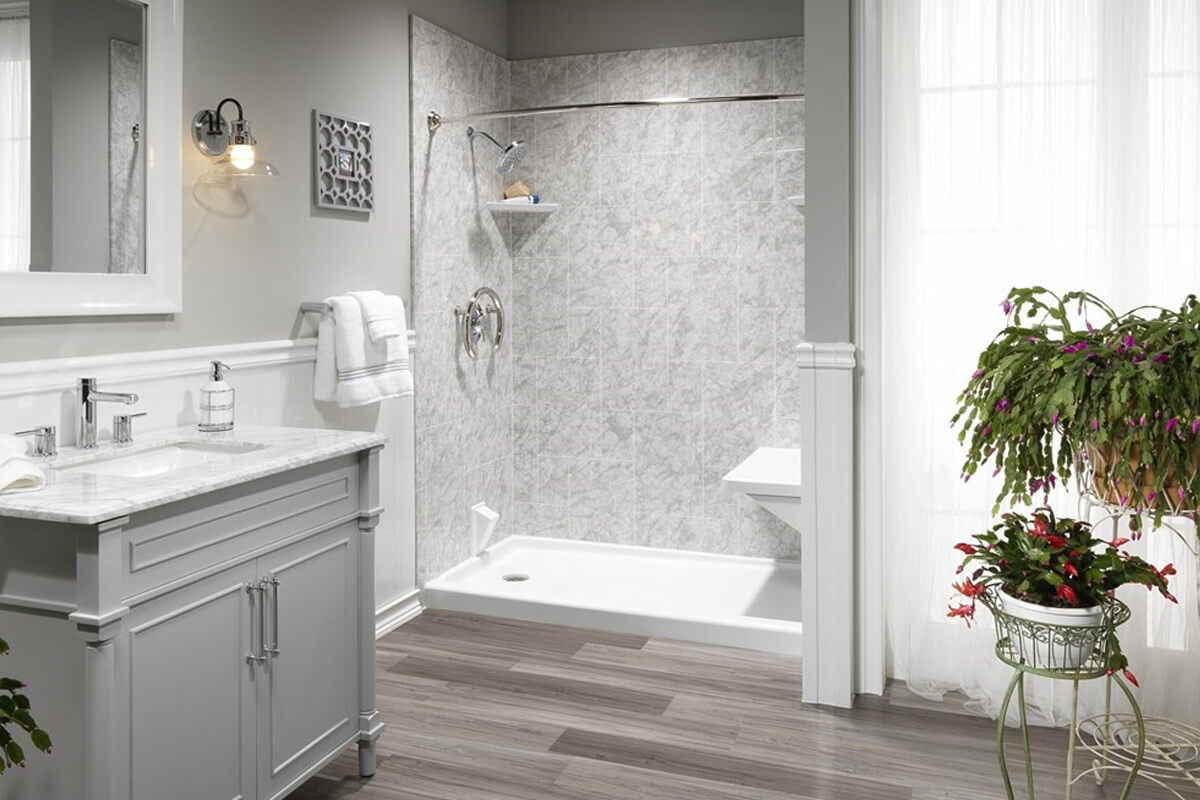


Most bathroom remodel decisions come down to one question: should you choose a prefab solution or invest in a custom bathroom remodel?
At first glance, the difference seems simple. Prefab baths promise speed and predictable pricing, while custom bathroom remodeling offers flexibility and long-term value.
In reality, the choice affects how your bathroom functions, how long it lasts, and how well it fits your daily routine. Homeowners often underestimate these trade-offs until construction starts.
This guide breaks down cost, timeline, design control, durability, resale value, and installation complexity so you can choose the option that actually fits your home, budget, and long-term plans.
Quick Overview: How Homeowners Typically Decide
Most homeowners begin by comparing price and timeline, then refine their choice once they understand limitations. According to HomeAdvisor, the national average cost for a bathroom remodel ranges from $6,600 to $16,900, depending on scope and materials.
The Remodeling Magazine Cost vs. Value Report shows that a midrange bathroom remodel recoups about 66% of its cost at resale
Prefab baths often work best for simple layouts and short timelines. Custom bathroom remodeling tends to make more sense when homeowners plan to stay put, need better functionality, or want higher-quality materials.
What Is a Prefab (Prefabricated) Bath?
A prefab bath, also called a prefabricated bath, uses factory-made components designed to fit standard bathroom sizes. These systems are assembled off-site and installed as a unit or in panels.
Typical prefab bath features include:
- One-piece or multi-panel shower and tub units
- Fixed dimensions and layouts
- Limited material and color options
- Short installation time
Prefab baths are popular in rental properties, secondary bathrooms, or situations where speed matters more than customization. Materials are usually acrylic or fiberglass, which resist moisture and are easy to clean but offer limited repair options if damaged.
What Is a Custom Bathroom Remodel?
A custom bathroom remodel is built specifically for your space, not a factory mold. Every element is planned around how the bathroom is used.
Custom bathroom remodeling may include:
- Layout changes for better flow
- Tile, stone, or solid-surface materials
- Custom or semi-custom vanities
- Tailored lighting and storage
A custom bathroom remodeling contractor coordinates design, permits, trades, and installation. This approach allows solutions for awkward layouts, accessibility needs, and long-term durability that prefab systems cannot provide.
Cost Comparison: Prefab Bath vs Custom Bathroom Remodel
Cost is often the deciding factor, but understanding why prices differ helps avoid surprises later.
Typical Cost Ranges (Estimated)
| Remodel Type | Estimated Cost Range | Best Use Case |
| Prefab bath | $6,000–$12,000 | Fast update, simple layout |
| Custom bathroom remodel | $15,000–$35,000+ | Long-term use, layout changes |
What Actually Drives the Price Difference
Prefab bath pricing stays lower mainly because the scope is limited. The units are mass-produced, so materials cost less and arrive ready to install.
Labor time is shorter because installers are working with a system that’s already designed, and there are fewer decisions during the project. This keeps pricing predictable but also reduces flexibility.
Custom bathroom remodeling costs more because the work is built around your specific space. Demolition and preparation are more involved, especially in older bathrooms.
Plumbing and electrical may need to be moved or upgraded. Tile work, cabinetry, and lighting are installed piece by piece, and the project requires design planning and coordination.
The higher cost reflects the added labor and customization, not inefficiency, but a broader scope of work.
How Long Does a Prefab vs Custom Bathroom Remodel Take?
Timeline is one of the biggest decision points for homeowners, especially when the bathroom is used daily.
A prefab bath usually has a shorter installation window. Because the shower or tub system is manufactured ahead of time, installation focuses on removal and replacement.
In many cases, the bathroom is back in use within one to three weeks, assuming there are no plumbing surprises.
A custom bathroom remodel takes longer because more work happens on-site. Tile installation, custom cabinetry, inspections, and finish work all require time and coordination.
While timelines often range from four to ten weeks, the process allows for better planning and fewer compromises. The tradeoff is time versus precision.
How Much Design Flexibility Do You Get With Each Option?
Design control is where prefab and custom paths clearly separate.
Prefab baths are built around standard dimensions. You can usually select finishes, fixtures, and door styles, but layout options are fixed. Drain locations, wall thickness, and shower size are predetermined. This works well if your current bathroom layout already functions properly.
Custom bathroom remodeling begins with the space itself. Layouts can be adjusted to improve flow, storage can be added where it’s needed, and lighting can be planned intentionally.
A bathroom custom design remodel allows homeowners to solve functional problems rather than work around them, which is often the reason people choose custom over prefab.
Which Option Uses Better Materials and Lasts Longer?
Prefab baths are typically made from acrylic or fiberglass. These materials are lightweight, water-resistant, and easy to clean. However, they can scratch, fade, or crack over time. If damage occurs, repairs are often limited, and replacement may be required.
Custom bathroom remodels use a wider range of materials, including porcelain tile, natural stone, solid-surface counters, and wood or composite cabinetry. These materials take longer to install but usually last longer and age more gracefully. Individual components can be repaired or updated without replacing the entire bathroom, which supports long-term value.
What Are the Differences in Warranty, Maintenance, and Resale Value?
Warranty coverage differs significantly between prefab and custom projects.
Prefab bath warranties typically cover the manufactured unit itself, not the installation. If an issue arises outside the warranty scope, repair options may be limited.
Custom bathroom remodeling projects often include labor warranties from the contractor along with manufacturer warranties on fixtures, tile, and cabinetry. Maintenance is usually more flexible, since individual materials can be repaired or refreshed over time.
From a resale perspective, buyers often respond more positively to custom tile work, thoughtful layouts, and upgraded finishes. While resale value varies by market, custom bathrooms tend to present better than prefab units during home inspections and showings.
Why Does Choosing the Right Bathroom Remodeling Contractor Matter?
Regardless of which option you choose, the contractor plays a major role in the outcome.
An experienced custom bathroom remodeling contractor understands local codes, permit requirements, and proper installation methods. This matters for both prefab and custom projects. Poor installation can shorten the lifespan of even the best materials.
When homeowners compare local providers, they often look for established custom bathroom remodeling services Utah homeowners trust. Regardless of location, it’s important to verify licensing, insurance, warranty coverage, and review past projects before moving forward.
Conclusion
Choosing between a prefab bath and a custom bathroom remodel comes down to how you plan to use the space, not just how fast or affordable the project looks on paper. Prefab options work when the layout already functions and speed matters most. Custom bathroom remodeling makes more sense when comfort, durability, and long-term use are priorities. Taking the time to evaluate how the bathroom fits your daily routine will lead to fewer compromises later.
Ready to talk through your options? Contact us to review your bathroom layout and get clear guidance on whether a prefab or custom remodel is the right fit.
Questions? Talk to a Pro.
We beat any competitor by $100! Call for details. (801) 532-2000
Recent articles

How to Fix Common Bathroom Design Mistakes in Remodels
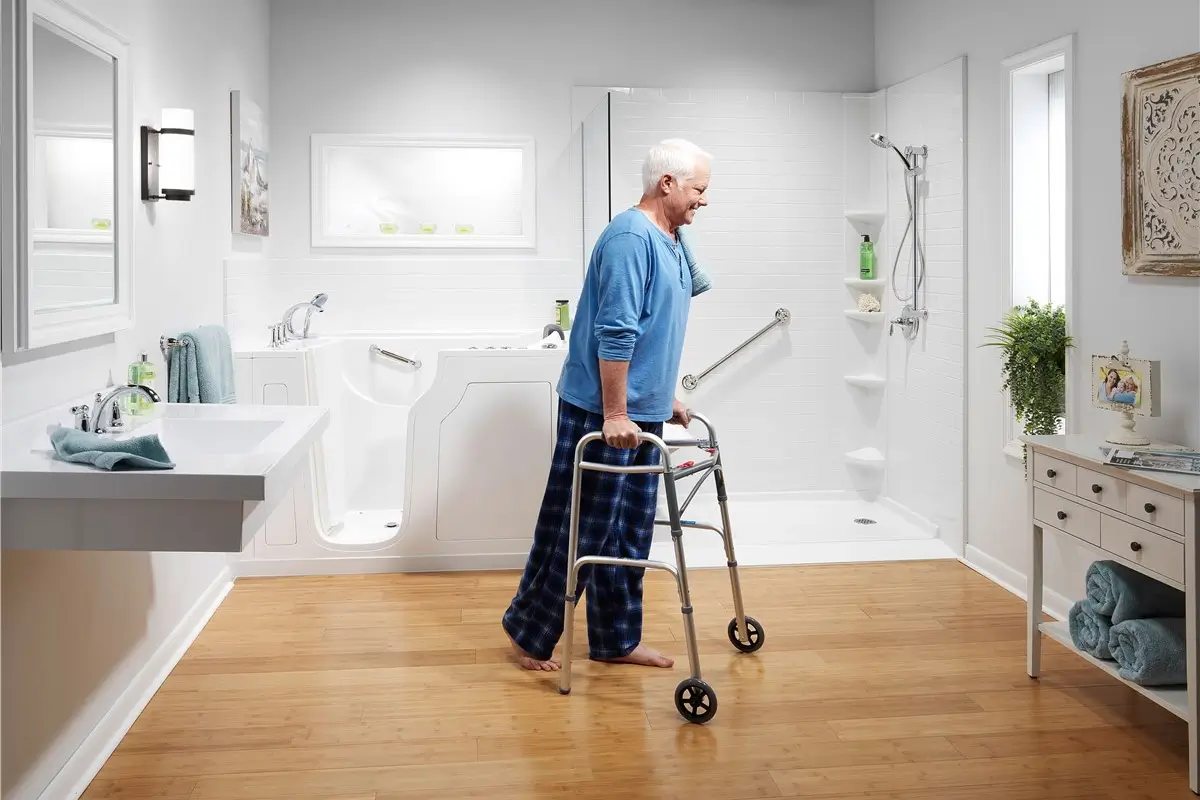
Why Walk-In Tubs Are a Must for Aging in Place

Why a Bathroom Remodel Is One of the Best Home Investments
How to Prepare Your Home for a Bathroom Renovation

What to Expect During a Bathroom Remodel: Step-by-Step
How to Choose the Right Vanity for Your Bathroom
Custom Bathroom Remodel vs Prefab Remodel: Which Is Better for Your Home?
How Scandinavian Bathroom Design Brings Calm to Modern Baths
Related Posts
Russ Tychsen
February 11, 2026
How to Fix Common Bathroom Design Mistakes in Remodels
Planning a bathroom remodel is exciting. You start gathering bathroom design ideas, saving inspiration photos, choosing tile samples, and picturing what the finished...
February 6, 2026
Why Walk-In Tubs Are a Must for Aging in Place
For years, you probably never gave your bathtub a second thought. You step in and step out with little to no hesitation. But...
January 27, 2026
Why a Bathroom Remodel Is One of the Best Home Investments
Let’s talk about bathrooms: the room you visit first thing in the morning and the last place you stand before bed. When it...