

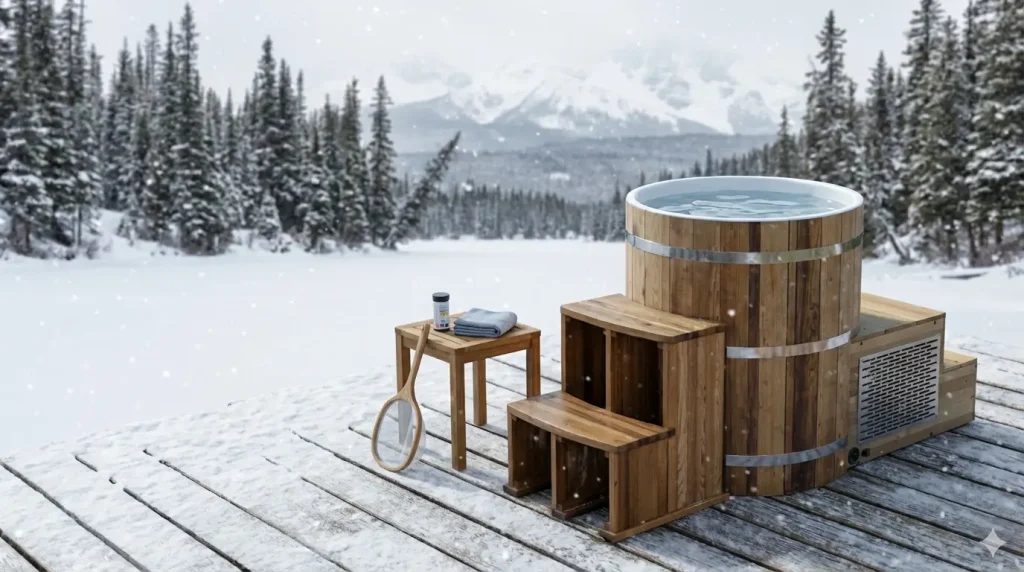
A cold plunge feels simple when you are shopping for one. Fill it, chill it, get in, repeat. However, the reality is a bit more demanding once the unit is in your home.
Because a cold plunge is a small volume of water subjected to intense use, it can become contaminated quickly. If you ignore the basics, you risk more than just dirty water. You can actually damage your filtration and chilling equipment. The good news is that maintenance is not difficult. It simply requires a consistent routine to keep the water safe and the machinery running smoothly.
This guide breaks down what to do daily, weekly, and monthly. It also covers water testing, filter care, sanitation options, and the most common causes of cloudy or smelly water. If you have a home cold plunge or you are planning one, this will help you keep it clean and predictable.
Why Cold Water Still Needs Maintenance
Cold slows down bacteria growth, but it does not stop it. Sweat, body oils, skin cells, hair products, and outdoor debris all end up in the tub.
Even reputable manufacturers warn that water chemistry and local water conditions affect maintenance, especially with hard water or well water.
If you maintain water and equipment, you will:
- Keep the water clear and odor-free
- Reduce how often you need to drain and refill
- Extend the life of pumps, chillers, and filters
The Basic System Behind a Home Cold Plunge
Most home setups fall into one of these categories:
- Ice-based tub: You cool the water manually. Maintenance focuses on water quality and cleaning.
- Chiller-based tub: A chiller holds temperature. Maintenance includes filter care and keeping ventilation areas clean.
- Chiller plus UV or ozone: Extra sanitation that can reduce chemical demand and extend water life, but still requires routine upkeep.
Cold Plunge Maintenance ScheduleHomeowners Can Actually Follow
Use this as your baseline, then adjust based on usage and whether you have filtration, UV, or ozone.
Daily or after every use
- Rinse before getting in. This is the fastest way to reduce oils and debris.
- Close the cover. Covers reduce debris and help temperature stability.
- Quick skim. Remove hair, grass, bugs, or anything floating.
Weekly
- Wipe the waterline and tub walls. Biofilm often starts where water meets air.
- Check the filter. Rinse the cartridge if you see visible buildup.
- Test water basics if you use a sanitizer.
Every 2 to 4 weeks
- Deep clean the filter or replace it based on your manufacturer schedule.
- Drain and refill if water is cloudy, smells off, feels slippery, or has persistent foam.
Water Testing That Matters for a Cold Plunge
If you use a chemical sanitizer, testing is how you keep the water safe without over-treating it. If you do not use a sanitizer, plan on changing the water more often, because there is nothing actively controlling bacteria between refills.
For most cold plunge setups that use sanitizer, keep water in common pool-and-spa ranges. A practical target for pH is about 7.2 to 7.8. Test pH regularly, then check alkalinity and calcium hardness on a schedule that matches your water source and use.
What to Test and Why
- pH: Keeps water comfortable on skin and helps sanitizer work properly.
- Sanitizer level (if used): Helps control bacteria and reduces the chance of odor and cloudy water.
- Total alkalinity: Helps prevent pH from swinging up and down.
- Calcium hardness: Helps prevent scale buildup and protects equipment in hard-water areas.
If you use well water or live in a hard-water area, test calcium hardness early. Catching high hardness upfront makes it easier to prevent scale and reduce long-term stress on pumps and chillers.
Filtration and Circulation
If your tub has filtration, treat the filter like the heart of your system. Cloudy water is often a filter problem before it is a chemical problem.
Practical filter rules
- If you plunge daily, inspect the filter at least once a week.
- If water flow slows, debris returns quickly, or cloudiness does not clear, clean or replace the filter sooner.
- Follow the manufacturer’s replacement schedule even when the water still looks clear.
Do not overlook related components. Keep skimmers clear and make sure ventilation openings for pumps or chillers are free of dust and debris. These small maintenance steps help prevent equipment strain and early failure.
Sanitizing Options: What Homeowners Should Know
There is no single sanitizing method that works best for every cold plunge. The right choice depends on how often the tub is used, how comfortable you are with testing water, and how much time you want to spend on upkeep.
Low-dose chlorine or bromine
These are common and effective when used correctly. Because cold plunge tubs hold less water than pools, dosing needs to be precise. Regular testing is important to avoid irritation or over-treatment.
UV or ozone systems
These systems help reduce bacteria and odors by treating water as it circulates. They can lower the need for chemical sanitizer, but they do not replace filtration, cleaning, or routine water changes. Basic maintenance is still required.
Frequent water changes
This approach works best for low-use or ice-only tubs. By draining and refilling more often, some homeowners avoid chemical sanitizers altogether. The tradeoff is higher water use and more hands-on effort.
No matter which method you choose, sanitation works best when paired with filtration, regular cleaning, and consistent habits.
How Often Should You Change Cold Plunge Water?
This depends on filtration and sanitation. A useful rule from DIY-focused maintenance guides is:
- No filtration or sanitation: change every 3 to 5 days
- Basic filtration: every 2 to 4 weeks
- Ozone plus UV: every 4 to 8 weeks
- Chiller plus filtration: every 6 to 8 weeks
Treat these as starting points. If you share the tub, plunge daily, or do not rinse before use, you may need more frequent changes.
Signs it is time to drain and refill
- Cloudy water that does not clear after filter cleaning
- Odor that returns quickly
- Slippery walls or a sticky waterline
- Foam that lingers
- Skin irritation that is new for you
Cold Plunge Tub Maintenance: Cleaning Without Damaging the Tub
Deep cleaning is part of regular cold plunge maintenance, but how you clean matters as much as how often.
When it’s time to drain the tub, start by shutting off and unplugging all equipment. Drain the water completely so residue does not spread during cleaning. Wipe interior surfaces using a non-abrasive cleaner and a soft cloth or sponge. Rinse thoroughly before refilling to remove any cleaner residue.
Avoid abrasive pads, stiff brushes, or harsh cleaners. Acrylic and composite surfaces scratch easily, and even small scratches can trap grime and make future cleaning more difficult. Gentle, consistent cleaning protects the surface and keeps maintenance easier over time.
Troubleshooting Common Cold Plunge Problems
Most cold plunge issues are easy to fix if you catch them early. The key is knowing what usually causes the problem and addressing that first, rather than adding more chemicals or changing everything at once.
Cloudy water
Cloudy water is one of the most common complaints and is usually mechanical, not chemical.
Common causes include:
- A dirty or overloaded filter
- Not enough circulation time
- Too many contaminants from skipping pre-rinsing
Start by cleaning or replacing the filter and making sure the circulation system is running as recommended. If you use a sanitizer, test the water and adjust only after filtration has been addressed.
Smelly or “stale” water
Odor is a sign that something is building up in the system.
Typical causes include:
- Biofilm forming along the waterline or tub walls
- Sanitizer levels that are too low
- Water that has simply been in the tub too long
Wipe the waterline and interior surfaces first. Adjust sanitizer if you use one. If the smell returns quickly, draining and refilling the tub is usually the most effective fix.
Scale buildup
Scale usually shows up as a chalky film or rough texture on surfaces.
The most common cause is hard water. This is where calcium hardness testing becomes important. High calcium levels can lead to scale buildup and long-term stress on pumps and chillers if left unchecked.
Cold Plunge Tips for Beginners
If you are new to cold plunging, small habits make maintenance much easier over time.
Focus on the basics:
- Shower or rinse before entering the tub
- Keep the cover on whenever the plunge is not in use
- Use a simple test kit if you rely on a sanitizer
- Track filter cleanings and water changes on your phone or calendar
- Pay attention to early signs like slight cloudiness or odor
These habits prevent most issues before they turn into bigger cleanup jobs.
Outdoor and Seasonal Maintenance Considerations
Outdoor cold plunges require a little more attention than indoor setups.
Leaves, dust, insects, and pollen enter the water more easily, so skimming and filter checks may need to happen more often. A well-fitted cover becomes even more important outdoors.
In colder climates, review winter care instructions before temperatures drop. Some systems require specific steps to protect pumps, chillers, and ventilation areas. If you plan to stop using the plunge for an extended period, drain it completely and let it dry. Stagnant water is harder to recover than starting fresh.
Conclusion
Cold plunges are simple to use, but they are not maintenance-free. With regular cleaning, basic water testing, and consistent filtration care, a cold plunge can stay clean, safe, and reliable year-round. Establishing a routine early makes upkeep easier and helps protect both your health and your equipment over time.
If you are planning a home wellness setup or integrating a cold plunge into an existing space, contact us to discuss layout, drainage, and long-term maintenance considerations.
Questions? Talk to a Pro.
We beat any competitor by $100! Call for details. (801) 532-2000
Recent articles

How to Fix Common Bathroom Design Mistakes in Remodels
Why Walk-In Tubs Are a Must for Aging in Place

Why a Bathroom Remodel Is One of the Best Home Investments
How to Prepare Your Home for a Bathroom Renovation

What to Expect During a Bathroom Remodel: Step-by-Step

How to Choose the Right Vanity for Your Bathroom

Custom Bathroom Remodel vs Prefab Remodel: Which Is Better for Your Home?

How Scandinavian Bathroom Design Brings Calm to Modern Baths
Related Posts
Russ Tychsen
February 11, 2026
How to Fix Common Bathroom Design Mistakes in Remodels
Planning a bathroom remodel is exciting. You start gathering bathroom design ideas, saving inspiration photos, choosing tile samples, and picturing what the finished...
February 6, 2026
Why Walk-In Tubs Are a Must for Aging in Place
For years, you probably never gave your bathtub a second thought. You step in and step out with little to no hesitation. But...
January 27, 2026
Why a Bathroom Remodel Is One of the Best Home Investments
Let’s talk about bathrooms: the room you visit first thing in the morning and the last place you stand before bed. When it...