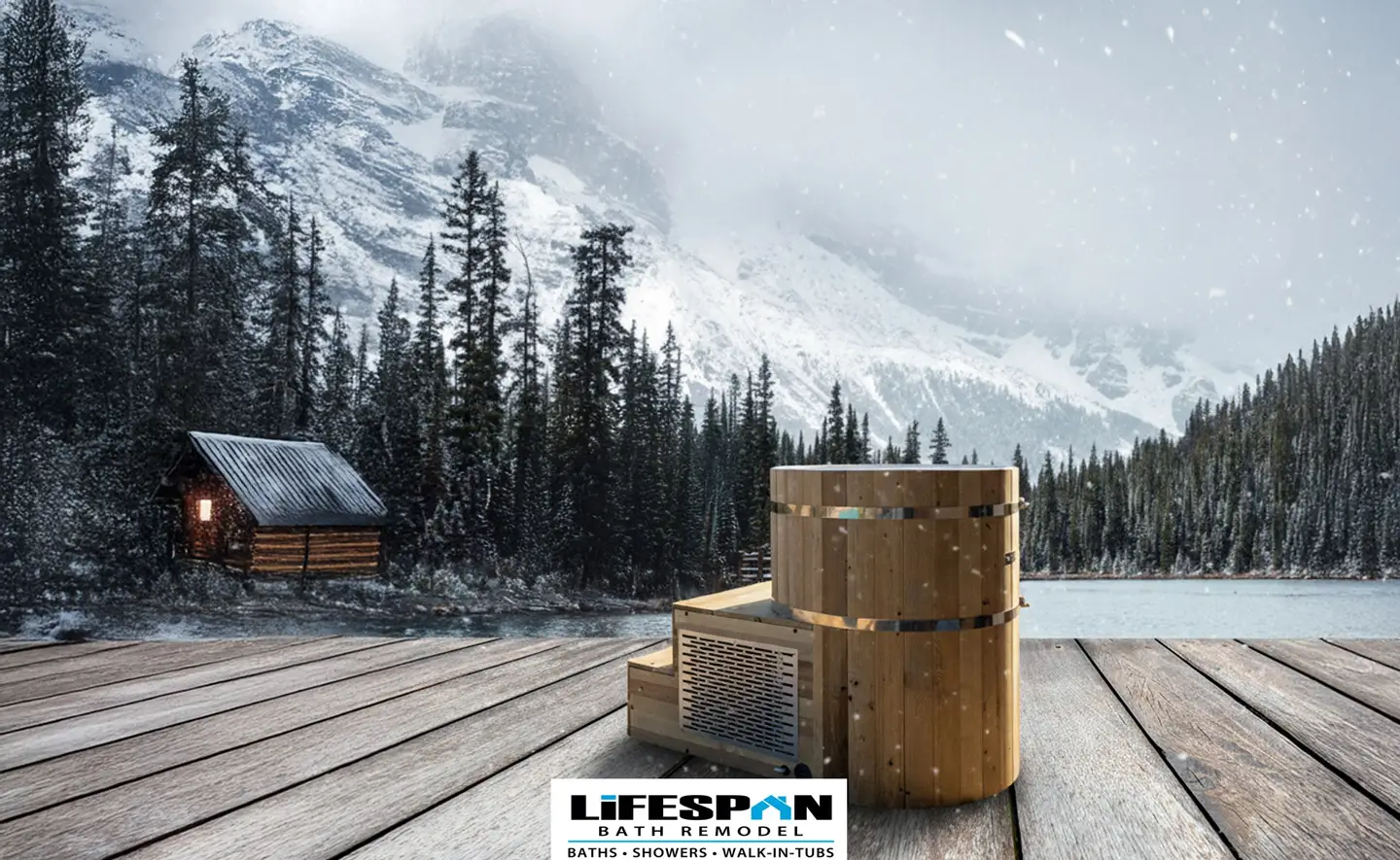
Cold plunges have quickly moved from niche recovery tools to a mainstream part of at-home wellness routines. What used to be reserved for athletes and high-end spas is now showing up in garages, home gyms, and dedicated wellness spaces across the country.
Back in 2024, the global cold plunge tub market was valued at over $330 million. Now, it’s expected to nearly double by 2033, reflecting steady demand from homeowners investing in recovery and wellness at home.
At the same time, broader wellness trends are fueling adoption, with cold exposure and ice bath practices becoming a regular part of fitness and recovery culture.

In fact, the rise of at-home wellness mirrors what we’ve seen with saunas and hot tubs, where millions of households are now investing in personal recovery spaces rather than relying on gyms or spas.
As a result, more homeowners are exploring indoor cold plunge tubs as a permanent addition to their homes. However, while the idea sounds simple, installing a cold plunge indoors involves more than just choosing a tub and filling it with cold water.
Before you move forward with a cold plunge installation, it’s important to understand what goes into creating a safe, reliable, and long-lasting setup.
Why More Homeowners Are Choosing Indoor Cold Plunge Tubs
A home cold plunge gives you both consistency and convenience. You don’t have to haul ice, deal with outdoor exposure, or worry about fluctuating conditions.
Compared to a basic ice bath setup like a stock tank or grizzly cooler, a permanent plunge system offers:
- More control over water temperature
- Better filtration to maintain water quality
- A cleaner, more polished look indoors
- Less daily setup (no need to constantly add ice)
However, those cold plunge benefits also come with more involved installation needs.
Space Requirements for Indoor Cold Plunge Installation
Before choosing a cold plunge tub, think about where it will live.
You’ll need enough room not just for the tub itself, but also for:
- Clearance around the unit for maintenance
- Access to inlet and outlet ports
- Space for electrical components and filtration systems
Many homeowners choose to install their indoor cold plunge tubs in spaces like garages, basements, home gyms, or dedicated wellness rooms, where there is enough room to accommodate the system and manage moisture more effectively.
Flooring Matters
Water exposure is inevitable with an indoor cold plunge, so your flooring setup plays a major role in preventing damage.
Ideally, the space should include a floor drain to handle overflow and simplify cleanup, along with non-slip, water-resistant materials for cold plunge safety. The surface should also be slightly sloped to support proper drainage and keep water from pooling.
If a floor drain isn’t available, a sump pump system may be needed to manage excess water and maintain a dry, functional space.
Plumbing Requirements You Can’t Ignore
A successful cold plunge installation depends heavily on plumbing.
At a minimum, your setup should support:
- Reliable water flow in and out of the tub
- Easy draining and refilling
- Leak prevention with pipe thread sealant and silicone sealant
If you’re upgrading from a DIY cold plunge (like a stock tank or inflatable tub), this is where things become more advanced.
Professional setups are designed to circulate water continuously, filter out contaminants, and maintain water quality over time. Without proper plumbing in place, even the best cold plunge tub may struggle to stay functioning properly.
Electrical Setup and Safety Considerations
Most modern indoor cold plunge tubs include cooling systems, pumps, and a temperature controller. That means you’ll need a dedicated electrical setup.
Key Electrical Requirements
- A ground fault circuit interrupter (GFCI) outlet for safety
- Adequate power supply for the full plunge system
- Protection from moisture exposure
Electrical work should always be handled carefully. Water and electricity are not a combination to take lightly.
Controlling Temperature and Performance
One of the biggest advantages of a professionally installed system is the ability to maintain water temperature without constant effort.
Instead of relying on ice, modern systems allow you to set a target temperature and keep it consistent.
Things to consider:
- Your desired temperature (typically 39–55°F depending on preference)
- Ambient room conditions
- Whether the system can maintain that temperature efficiently
A quality system will keep your cold water stable, even with repeated use.
Managing Moisture and Ventilation
An often-overlooked factor in indoor cold plunge tub installation is moisture control. When cold water sits in a warmer room, it naturally creates condensation, which can lead to mold or mildew, damage to walls and flooring, and poor air quality over time.
To reduce these risks, the space should be equipped with proper ventilation, such as fans or a dehumidifier, along with moisture-resistant materials and adequate airflow around the tub.
It’s also best to avoid placing your unit in areas with direct sunlight, as this can increase condensation and affect overall performance.
Choosing the Right Cold Plunge Tub for Your Home
Not all systems are created equal, and the best cold plunge tub depends on your space, budget, and how often you plan to use it. What works for a temporary outdoor setup may not hold up in a permanent indoor environment, especially when factors like moisture, water quality, and consistent water temperature come into play.
Basic Cold Plunge Setups
At the most basic level, some homeowners start with a DIY cold plunge using a stock tank, inflatable tub, or even a repurposed container. These options can be appealing because of the lower upfront cost and quick setup.
However, they typically require more hands-on effort to keep things running. You may need to regularly add ice to reach your desired temperature, monitor water quality more closely, and deal with potential issues like air leaks or inconsistent performance.
Over time, these setups can become less convenient, especially for indoor use where moisture control and cleanliness matter more.
Advanced Cold Plunge Systems
On the other end of the spectrum are fully integrated systems designed specifically for indoor environments.
These advanced setups function as a complete plunge system, with built-in filtration, circulation, and cooling capabilities that help maintain a stable target temperature without constant adjustment. They’re designed to keep the cold water clean, reduce maintenance demands, and operate reliably day after day.
For homeowners planning a long-term home cold plunge, this type of system offers a more consistent and user-friendly experience.
Choosing a System That Fits Your Space
It’s also worth considering how the system will interact with your space. A higher-quality unit is more likely to support proper plumbing connections, integrate with your electrical components, and stay functioning properly without frequent troubleshooting.
This becomes especially important when you’re investing in a permanent indoor setup rather than a temporary solution.
Why Your Choice Matters Long-Term
While a basic setup can work in the short term, it often falls short of the full cold plunge tub installation requirements needed for indoor use. Choosing the right system from the start can make a significant difference in performance, maintenance, and overall experience.
Energy Costs and Long-Term Use
Running a cold plunge indoors does come with ongoing costs, and several factors can influence overall energy use. The size of the tub, the quality of its insulation, how often it’s used, and how well it can hold the desired temperature all play a role in day-to-day efficiency.
A properly installed system is more likely to run smoothly, maintain consistent performance, and avoid unnecessary strain that can drive up energy usage over time.
Why Professional Cold Plunge Tub Installation Matters
There’s a big difference between placing a tub in a room and installing a complete, reliable system.
Professional cold plunge tub installation helps address:
- Plumbing and electrical integration
- Leak prevention with proper sealing (including silicone sealant)
- Drainage planning
- Long-term durability and performance
It also reduces the risk of:
- Water damage
- Electrical hazards
- Systems failing to stay functioning properly
If you’re investing in a permanent indoor cold plunge, professional installation is certainly the safer, more reliable path.
Final Thoughts: Planning for a Better Cold Plunge Experience
A well-designed home cold plunge can quickly become one of the most used and appreciated features in your home, but only if it’s installed correctly from the start. From water quality and proper drainage to electrical setup, ventilation, and long-term performance, every detail plays a role in how well your system works day after day.
That’s where Lifespan Bath Remodel comes in. Our team specializes in professional cold plunge tub installation, helping homeowners create indoor setups that are built to last, easy to maintain, and designed around your space.
We don’t take a one-size-fits-all approach. Instead, we look at your layout, your goals, and your usage to recommend a plunge system that will stay functioning properly for years to come.
If you’re thinking about installing a cold plunge indoors, don’t leave it to guesswork. Schedule a consultation with Lifespan today to start planning your custom cold plunge installation and get expert guidance every step of the way.
Questions? Talk to a Pro.
We beat any competitor by $100! Call for details. (801) 532-2000
Recent articles
Why Patterned Shower Walls Are Replacing Traditional Tile
How Proper Waterproofing Protects Your Bathroom Remodel Long Term
Grab Bar Installation Guide: Where to Place Shower and Tub Safety Bars
What to Know Before Installing a Cold Plunge Indoors
How Walk-In Tubs Reduce Fall Risks at Home
How to Maintain Your Bathroom After Remodeling

How to Fix Common Bathroom Design Mistakes in Remodels
Why Walk-In Tubs Are a Must for Aging in Place
Related Posts
Matt Tychsen
March 27, 2026
Why Patterned Shower Walls Are Replacing Traditional Tile
Walk into a newly remodeled bathroom in Salt Lake City right now, and you’ll notice something immediately: the standard grid of white or...
March 18, 2026
How Proper Waterproofing Protects Your Bathroom Remodel Long Term
A bathroom remodel should feel like an upgrade, not something you worry about a few years later. The thing is, many Utah homeowners...
March 14, 2026
Grab Bar Installation Guide: Where to Place Shower and Tub Safety Bars
TL;DR: You can improve bathroom safety by placing grab bars in key areas like inside the shower, near the tub, and next to...