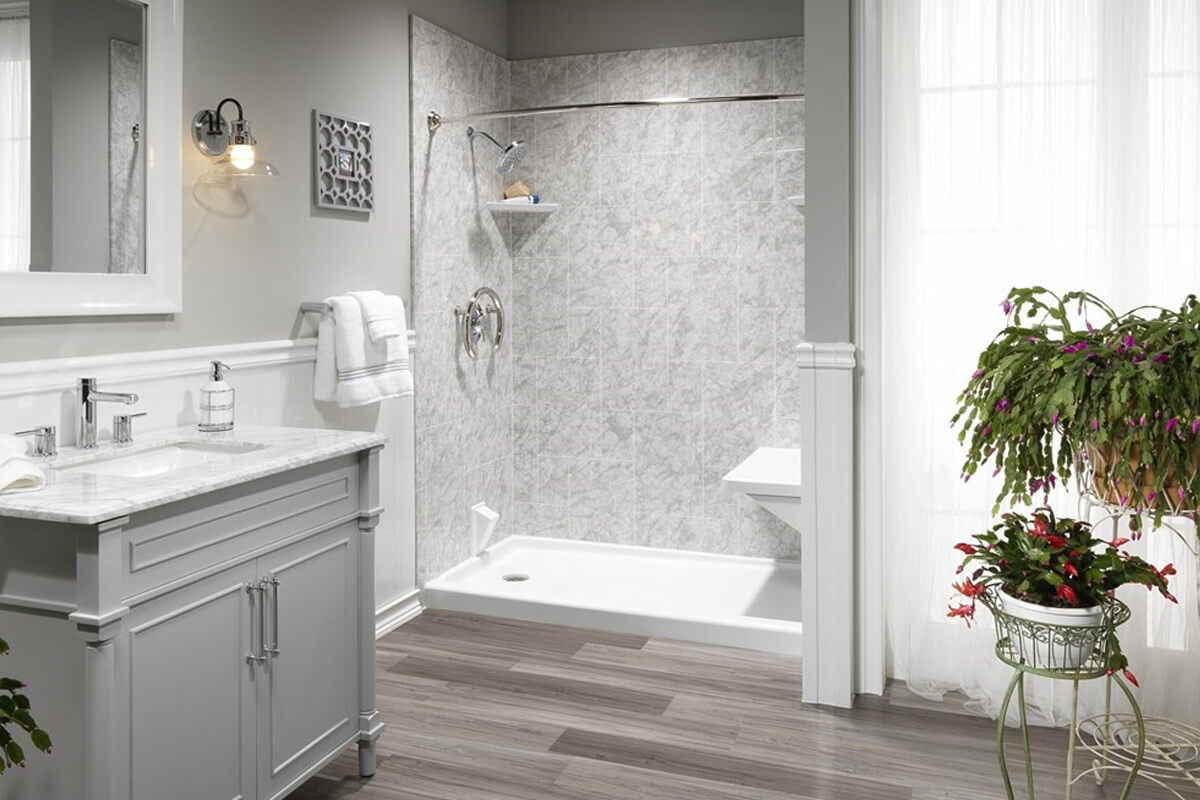

A bathroom remodel is one of the most exciting home upgrades you can take on, but let’s be honest: it can also feel intimidating if you don’t know what’s coming next.
Between design choices, demolition, plumbing, and finishing details, a bathroom remodeling project has numerous moving parts. It’s a lot to juggle.
In fact, a vast majority of homeowners undertaking some sort of home remodel project report experiencing “significant stress” throughout the process, as well as burnout caused by delays, disruptions, and decision fatigue.
The good news? When you understand the process ahead of time, the experience becomes far more manageable, and sometimes even enjoyable.
Whether you’re updating a small bathroom or planning a full bathroom renovation, this step-by-step guide walks you through what happens during a professional bathroom remodel so there are no surprises along the way.
Step 1: Planning, Goals, and Vision
Every successful bathroom remodel starts with a clear plan. Before any tools come out, homeowners will work with bathroom remodel contractors to define priorities, preferences, and expectations.
This initial phase focuses on:
- How the bathroom is used day-to-day
- What isn’t working in the current space
- Storage needs, lighting concerns, and traffic flow
- Style direction and long-term comfort
For some homeowners, the goal is creating a spa-like retreat with freestanding tubs and refined finishes. Others want a more functional layout that improves flow or replaces an outdated tub with a walk-in shower.
Your bathroom layout, budget range, and timeline all come into focus here, setting the foundation for a smooth bathroom remodeling process.
Step 2: Bathroom Design & Layout Development
Once goals are established, the bathroom design phase begins. This is where your dream vision becomes tangible.
Bathroom remodeling contractors evaluate the existing space and propose layout solutions that maximize comfort and usability. Design discussions often include:
- Vanity size and placement
- Shower and tub configurations
- Lighting improvements
- Storage upgrades
- Whether to include a separate water closet
In a small bathroom, design decisions focus on efficiency without sacrificing style. In larger spaces, the emphasis may shift toward balance, symmetry, and visual calm.
Every design choice works together to support a cohesive bathroom design that feels purposefully planned and executed.
Step 3: Selecting Materials & Finishes
With the layout finalized, homeowners choose finishes that define the look and feel of the bathroom.
This includes:
- Tile for floors, walls, and shower surrounds
- Vanity cabinetry and countertops
- Plumbing fixtures such as faucets and the shower head
- Lighting fixtures and mirrors
Whether selecting a new tub or upgrading to a custom walk-in shower, material selections are guided by durability, maintenance preferences, and how the space will age over time.
Step 4: Permits, Ordering & Pre-Construction Prep
Before construction begins, bathroom remodel contractors handle the behind-the-scenes logistics. This includes securing permits when required, confirming measurements, and ordering materials.
At this stage, homeowners can expect:
- Final schedule confirmation
- Product lead times accounted for
- Clear expectations around daily access and noise
Thoughtful preparation in this stage significantly improves the efficiency of the entire remodeling process, especially in states like Utah that have very specific permit requirements.
Step 5: Demolition & Site Preparation
Demolition is by far the most dramatic part of a bathroom remodel, and often the most satisfying to see. Let’s get those old walls and ugly decor out of here!
Finishes, fixtures, and surfaces are carefully removed, including:
- Tile and flooring
- Vanities and cabinetry
- Existing tub or shower components
Professional bathroom remodeling contractors protect surrounding areas and manage debris to keep disruption minimal. Once demolition is complete, the room is fully exposed, which allows the team to inspect framing, plumbing, and electrical systems.
Step 6: Plumbing, Electrical & Structural Updates
With walls open, trades step in to prepare the bathroom for its new layout.
This phase may include:
- Repositioning plumbing for a new tub or walk-in shower
- Upgrading electrical wiring and lighting placement
- Adjusting framing to support heavier fixtures like freestanding tubs or double vanity installations
These updates are critical to long-term performance and comfort (even if they feel less exciting). Addressing them now prevents future issues and supports a functional layout that feels effortless to use.
Step 7: Waterproofing & Shower Installation
Bathrooms demand meticulous moisture protection. Waterproofing is one of the most important steps in the entire bathroom remodeling process.
Contractors install:
- Waterproof membranes
- Shower pans and drainage systems
- Moisture barriers behind tile
Once complete, the shower or tub installation begins. Whether the design includes a walk-in shower, a new tub, or a combination setup, this stage defines how the bathroom will feel and function every day.
Step 8: Tile, Flooring & Wall Finishes
Now the bathroom starts to take shape visually. It’s time to lay the foundation for your new design (literally).
Tile installation covers:
- Shower walls
- Bathroom floors
- Accent or feature walls
Careful layout, spacing, and grout selection bring the bathroom design together. Wall finishes are completed, and surfaces begin to reflect the vision set at the start of the remodel.
Step 9: Vanity, Fixtures & Final Installations
As construction nears completion, the bathroom is fitted with its defining elements, such as:
- Vanities and countertops
- Sinks, faucets, and shower head installation
- Toilets and accessories
Installing a double vanity or custom cabinetry transforms the bathroom into a space that feels both refined and practical. At this stage, the room will probably start to appear nearly finished.
Step 10: Final Details, Inspection & Walkthrough
Almost there! The final step in a bathroom remodel is all about refinement.
Contractors complete small details such as:
- Trim work and caulking
- Final fixture adjustments
- Thorough cleaning
Then, they’ll likely schedule a thorough walkthrough to make sure everything functions properly and aligns with the agreed design. Homeowners will also receive care instructions and guidance for maintaining new materials.
What Makes a Bathroom Remodel Feel Truly Straightforward and Seamless?
The difference between a stressful bathroom remodel and one that feels smooth usually comes down to what doesn’t happen. We’re talking about things like missed timelines, unanswered questions, and last-minute decisions.
When experienced bathroom remodeling contractors handle the process, each step connects logically to the next. You know what’s happening, why it’s happening, and what comes next.
At the end of the day, clear communication and superior craftsmanship turn a complex bathroom remodeling project into something that feels organized from start to finish.
Start Your Bathroom Remodel in Utah Today
A well-planned bathroom renovation adds comfort and lasting value to any home. In many cases, even a mid-range bathroom remodel can reap an average return on investment of 53%, according to Zillow!
Whether you’re reimagining a small bathroom or designing a luxury walk-in shower, the right team makes all the difference in your monetary wins and personal experience.
If you’re considering a bathroom remodel in the Salt Lake City area, Lifespan Bath Remodel offers thoughtful design guidance and a process built around your home and lifestyle. We’re here to make things effortless and beautiful.
Let’s talk about your dream bathroom remodel! Get in touch today by calling (801) 532-2000 or contact us online.
Questions? Talk to a Pro.
We beat any competitor by $100! Call for details. (801) 532-2000
Recent articles
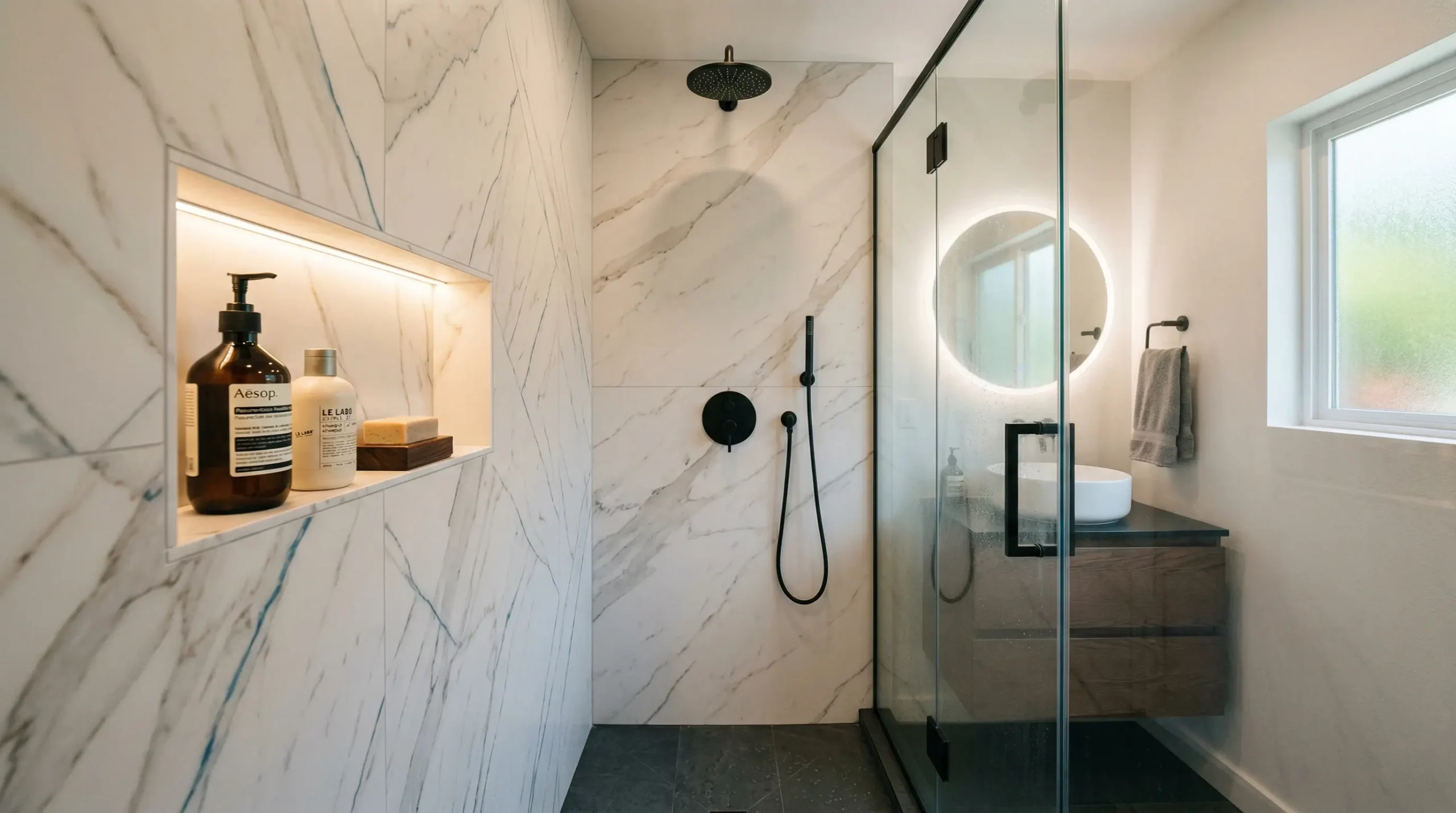
Why Patterned Shower Walls Are Replacing Traditional Tile
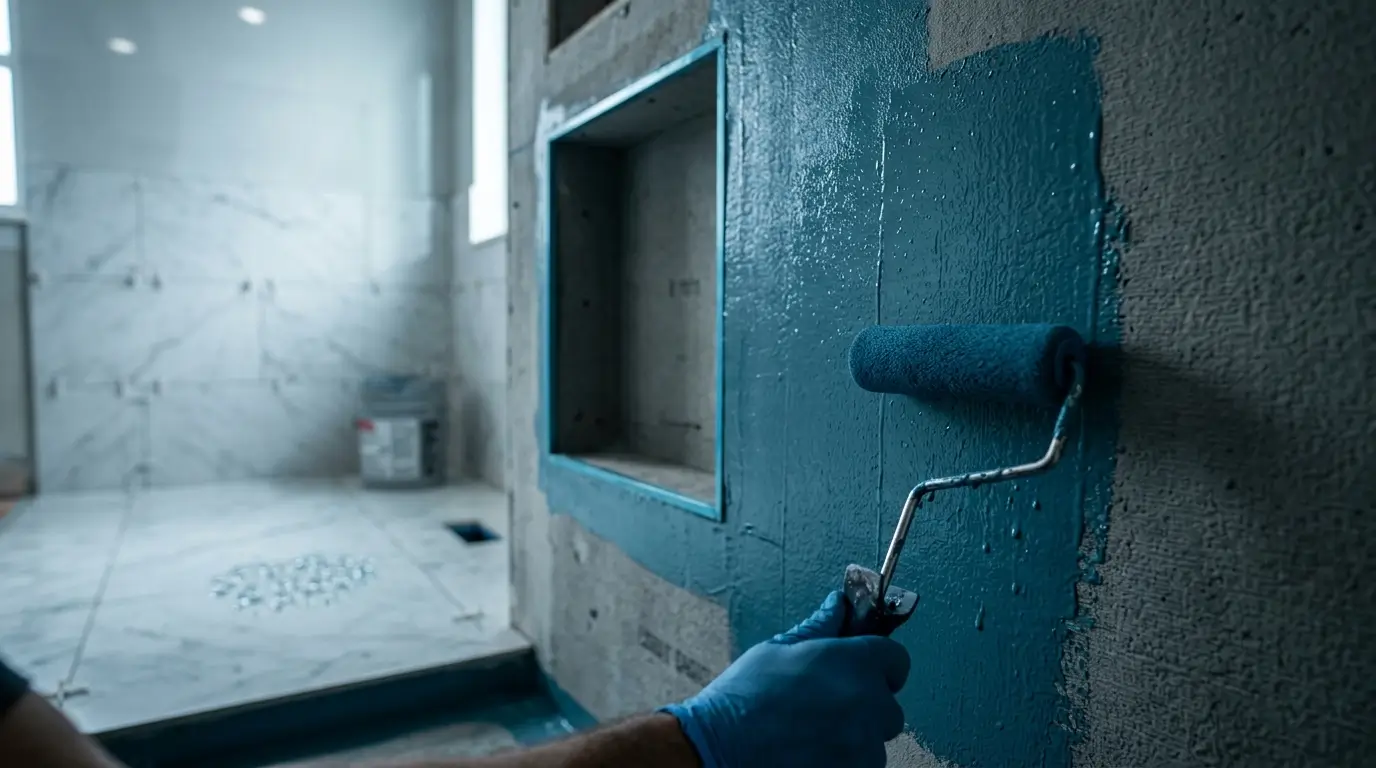
How Proper Waterproofing Protects Your Bathroom Remodel Long Term
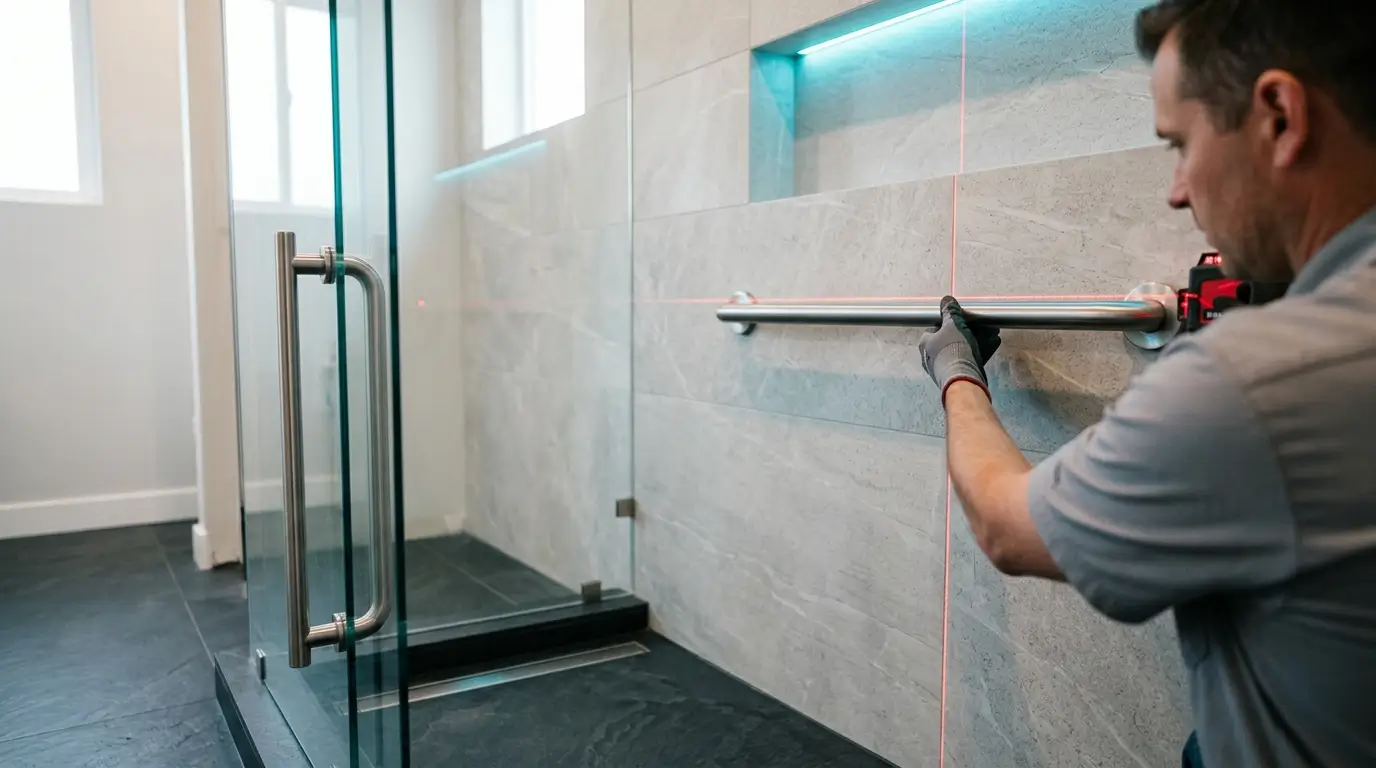
Grab Bar Installation Guide: Where to Place Shower and Tub Safety Bars

What to Know Before Installing a Cold Plunge Indoors
How Walk-In Tubs Reduce Fall Risks at Home
How to Maintain Your Bathroom After Remodeling

How to Fix Common Bathroom Design Mistakes in Remodels
Why Walk-In Tubs Are a Must for Aging in Place
Related Posts
Russ Tychsen
March 27, 2026
Why Patterned Shower Walls Are Replacing Traditional Tile
Walk into a newly remodeled bathroom in Salt Lake City right now, and you’ll notice something immediately: the standard grid of white or...
March 18, 2026
How Proper Waterproofing Protects Your Bathroom Remodel Long Term
A bathroom remodel should feel like an upgrade, not something you worry about a few years later. The thing is, many Utah homeowners...
March 14, 2026
Grab Bar Installation Guide: Where to Place Shower and Tub Safety Bars
It only takes one slip on a wet shower floor to change everything. For many homeowners, the bathroom is one of the most...