
TL;DR:
You want a shower floor that handles daily use, water exposure, and slip risks. Materials like porcelain tile, natural stone, and pebble offer strong performance, good traction, and long-term value when installed and maintained the right way.
The foundation of a durable and comfortable shower lies beneath your feet. The shower floor plays a critical role in defining not only the look and feel of your space but also its safety, longevity, and ease of maintenance.
Choose the wrong material, and you’ll be scrubbing grout under that shower bench or fixing leaks long before you should.
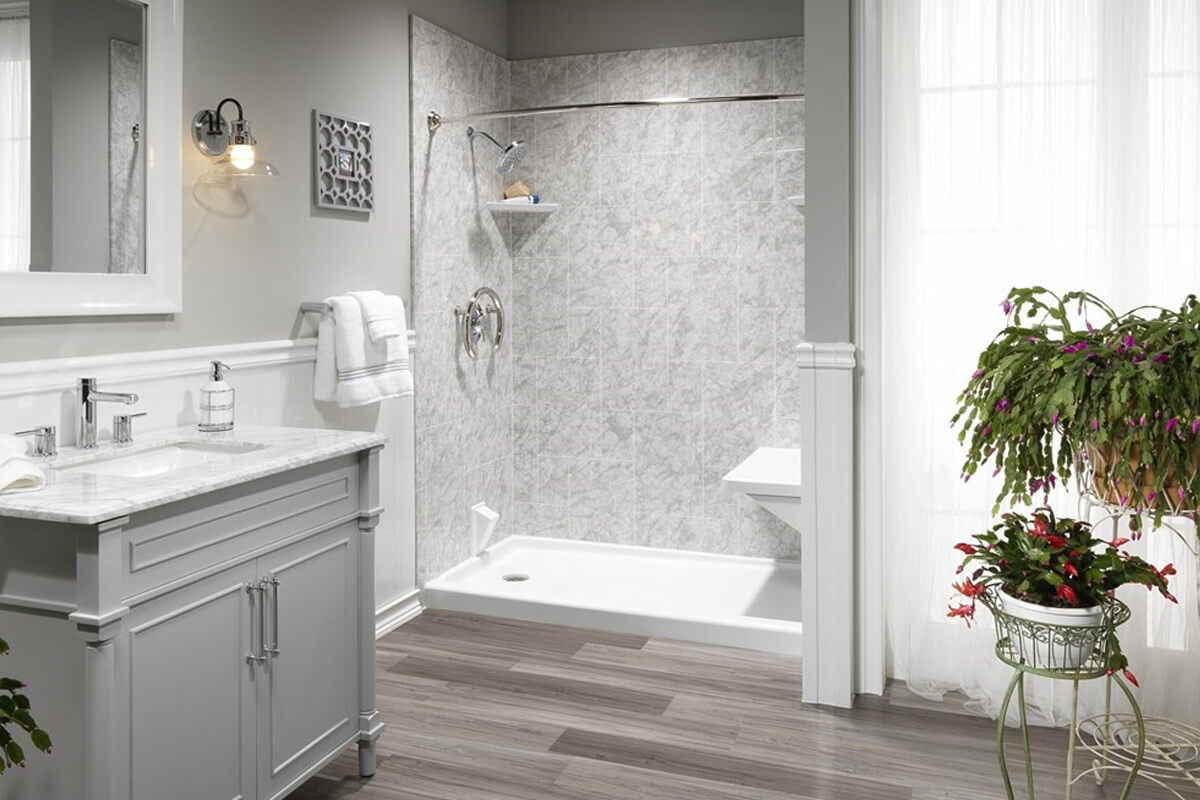
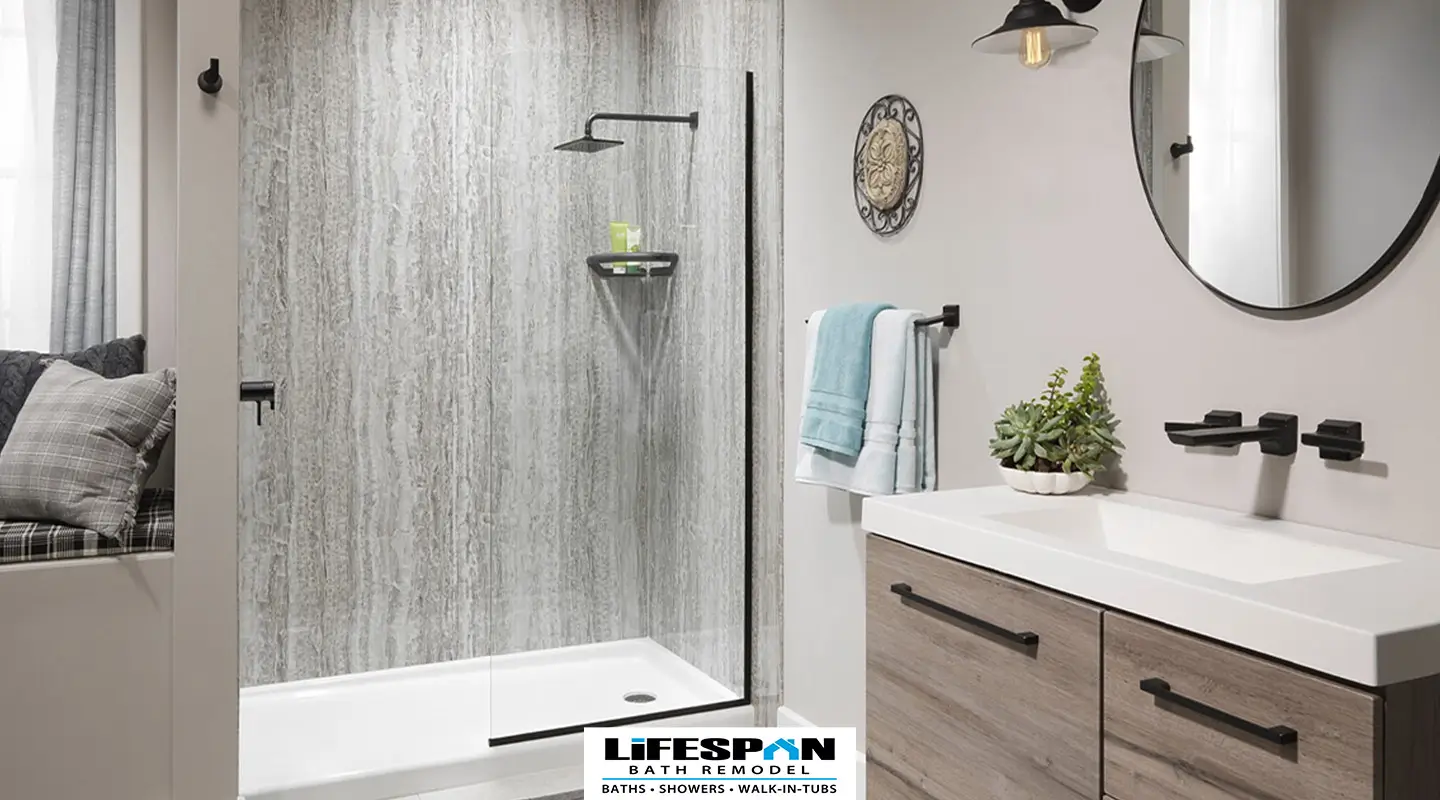
For homeowners upgrading a small bathroom, every inch matters, and the best choice can make the space feel larger, cleaner, and more open. If your current shower leaves you feeling cramped, a walk-in design with a low-profile floor can transform how the entire room feels.
Bathroom remodels continue to dominate home improvement projects nationwide. In fact, Americans spent an estimated $603 billion on remodeling in 2024, according to the National Association of Realtors’ Remodeling Impact Report.
That investment reflects a growing priority: creating bathrooms that don’t just look beautiful but perform beautifully over time, starting with durable, low-maintenance materials underfoot.
In this article, we’ll cover:
- The key qualities that make a walk-in shower floor safe, durable, and easy to maintain
- The most popular material options are tile, stone, pebble, concrete, and engineered wood
- How each material holds up to everyday use in busy households
- Expert tips on installation, sealing, and care for long-lasting results
Qualities of Durable Shower Floors
A long-lasting walk-in shower floor comes down to three things: safety, strength, and simplicity.
Similar to shower walls, the right material looks good and holds up to daily use, resists wear, and makes cleaning easier year after year.
Safety for Every Step
Slip resistance matters more than style. For families, older adults, or anyone with limited mobility, a textured surface can make all the difference.
Smaller tiles or materials with natural grip, like pebble or stone, give water a place to go and feet a place to stay steady. When comparing options, ask about slip ratings or look for a matte finish that helps prevent accidents without feeling rough.
For walk-in showers, easy access (like low or curbless entry) adds safety and comfort for everyone.
Easy Maintenance
Showers are one of the most used and most cleaned parts of any home. A durable floor shouldn’t require special products or constant scrubbing.
Porcelain and sealed stone resist stains and soap scum, while non-porous surfaces keep mold and mildew from taking hold. The easier the material is to clean, the longer it’ll look like new.
Water and Stain Resistance
Water is relentless. Over time, it seeps into weak spots and breaks down poor-quality materials.
That’s why walk-in shower floors need to be sealed, sloped, and made from dense, water-resistant materials. Porcelain tile, sealed natural stone, and polished concrete are all strong options that resist discoloration and stay structurally sound, even with daily soaking.
Quick Answer: The best shower floor material depends on your priorities:
- Porcelain tile: Best overall for durability, water resistance, and design flexibility.
- Solid surface: Best for a seamless, low-maintenance shower base.
- Pebble flooring: Best for natural texture and added traction.
- Natural stone: Best for a luxury, spa-inspired look.
- Acrylic or fiberglass pans: Best for quick and budget-friendly installations.
The right choice should balance safety, maintenance, durability, and bathroom design.
Top Walk-In Shower Floor Options
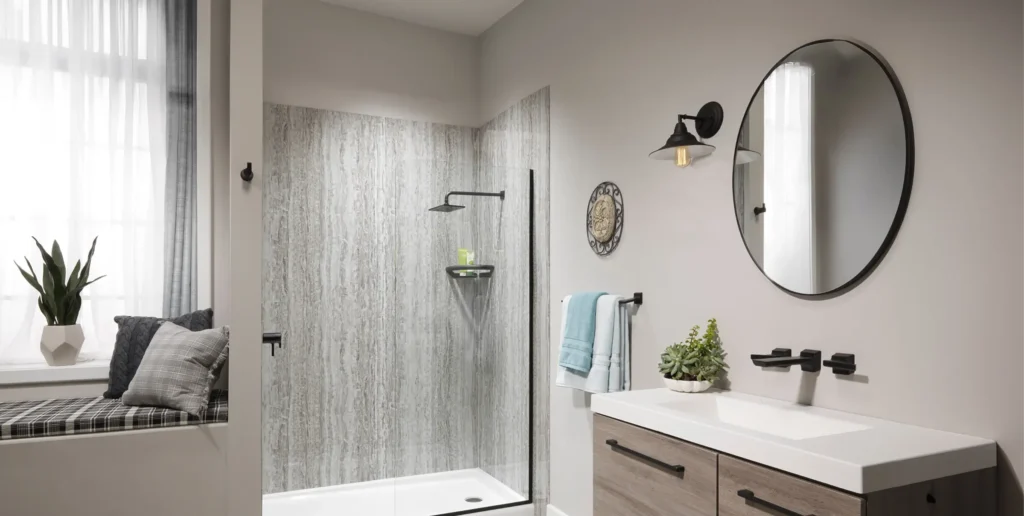
When it comes to building a shower that lasts, material choice matters. Some floors handle heavy use, hard water, and soap buildup better than others.
Here’s how the most popular options stack up in real homes.
In Short: Most homeowners choose between two main types of shower flooring:
- Prefabricated shower pans: Acrylic, fiberglass, and solid surface options provide easier installation, reliable drainage, and lower maintenance.
- Custom tile and stone floors: Porcelain, mosaic, natural stone, and pebble options offer more design flexibility and a custom appearance.
Porcelain and Ceramic Tile
Tile remains the top choice for a reason. It’s tough, easy to customize with patterns and accents, bright, stylish, and proven to handle years of daily use.
Porcelain is denser and more water-resistant than standard ceramic, which makes it a great idea for high-moisture areas. Many homeowners pair mosaic shower floors with subway tile walls for a timeless, easy-to-clean look. Finishing each edge cleanly with trim pieces gives the floor a professional, watertight look.
Small mosaic tiles (one- or two-inch squares) are especially smart for shower floors since the extra grout lines help prevent slipping and make it easier to shape the slope toward the drain.
- Best for: Homeowners who want a classic look, simple cleaning, and reliable traction.
- Keep in mind: Large-format tiles can look sleek but need textured finishes to prevent slipping.
Tip: Porcelain is one of the most popular shower floor materials, but the finish matters.
- Choose matte or textured surfaces instead of polished finishes.
- Smaller tiles, such as mosaics, provide more grout lines for better traction.
- Select water-resistant materials designed for wet environments.
Pebble Floors
A walk-in shower with a pebble floor offers a natural, spa-like feel that’s hard to beat. The texture provides built-in grip and a gentle massage effect underfoot, turning your shower into a space to reset and rest, not just rinse.
Each tile sheet comes pre-mounted on mesh, so the result looks organic while still draining efficiently.
- Best for: Homeowners who love natural materials and want a slip-resistant surface.
- Keep in mind: Deep grout lines can collect soap residue sealing the surface regularly keeps maintenance manageable.
Natural Stone
From slate to granite to travertine and even marble, stone shower floors add warm hues, character, and a rustic look to any bathroom. Properly sealed, these materials resist water damage and can last for decades.
They also hold heat well, making them a great match for in-floor heating systems. That’s something many Utah homeowners appreciate in colder months.
- Best for: Timeless bathroom designs and long-term durability.
- Keep in mind: Stone must be sealed once or twice a year to prevent stains and preserve texture.
Concrete
Polished concrete is growing fast in popularity for modern bathrooms. It’s extremely durable, non-porous when sealed, and simple to clean.
You can stain it, tint it, or add a light texture for traction. The result is a sleek, low-maintenance floor that fits minimalist or industrial-style homes beautifully.
- Best for: Modern, high-traffic bathrooms and low-maintenance lifestyles.
- Keep in mind: Without proper sealing, concrete can absorb moisture and discolor over time.
Engineered Wood and Wood-Look Floors
Wood might not be the first thing that comes to mind for a shower floor, but certain engineered options are built for it, and it adds a real layer of luxury.
Products like teak decking panels or waterproof composite boards capture the warmth of real wood while holding up against moisture.
- Best for: Spa-inspired designs and homeowners who love natural warmth.
- Keep in mind: Even treated woods need occasional oiling and inspection to prevent water damage.
Comparing Tile, Stone, and Other Materials
Each material has its strengths, and knowing where they differ helps you choose what fits your household best. Here’s a quick look at how the most common walk-in shower floor options compare:
| Material | Durability | Slip Resistance | Maintenance | Water Resistance | Style Versatility |
| Porcelain/Ceramic Tile | Excellent | Good (best with mosaics) | Low | High | Very High |
| Pebble Floor | Good | Excellent | Moderate (requires sealing) | Good | High |
| Natural Stone | Excellent (with sealing) | Good | Moderate | Good | High |
| Concrete | Excellent | Good (when textured) | Low | High (when sealed) | Medium |
| Engineered Wood/Teak | Fair to Good | Good | High | Moderate | High |
The right choice depends on your lifestyle. For instance, families often prefer porcelain mosaics for their traction and easy upkeep, while homeowners after a more natural, spa-like look lean toward stone or pebbles. In a custom walk-in shower, these materials can be selected to complement the room’s layout while providing the texture and durability needed for everyday use.
Concrete suits modern, minimalist bathrooms and can last for decades with little maintenance. Engineered wood or teak adds warmth but needs occasional care to stay looking sharp.
Key Insight: Different materials work better for different needs:
- Busy households: Porcelain tile offers durability with minimal upkeep.
- Safety-focused designs: Mosaic and pebble floors provide additional texture.
- Low-maintenance bathrooms: Solid surface materials reduce grout cleaning.
- Luxury remodels: Natural stone creates a premium appearance.
Best Material for Walk-In Shower Floor
Once you know your style and maintenance preferences, it’s time to match materials to your lifestyle, especially if it’s your primary bathroom. The goal is to choose what’ll perform best in your home for years to come.
Things To Consider: Before selecting a material, consider:
- Slip resistance: Wet areas need surfaces with proper texture and grip.
- Maintenance: Some materials require sealing, while others need minimal upkeep.
- Drainage: The floor should slope correctly to prevent standing water.
- Installation: Proper waterproofing is essential for long-term performance.
If You Prioritize Safety…
Go for texture. Mosaic tile or pebble floors give you reliable traction even when wet.
For an extra layer of protection, pick matte or slip-rated finishes and consider adding in-floor heating to help dry surfaces faster.
If You Want Low Maintenance…
Choose dense, non-porous materials that resist buildup and staining.
Porcelain tile and sealed concrete are the standouts here. A quick wipe-down keeps them looking new, and they rarely need resealing. If low maintenance is your goal, either one is a great choice for busy households.
If You Love Natural Design…
Stone and wood-inspired materials bring warmth and texture.
Travertine or engineered teak work beautifully in spa-style bathrooms, but do need regular care. A frequent sealing or oiling routine helps preserve their look and feel.
If You’re Remodeling for the Long Haul…
For lasting value, porcelain or sealed natural stone delivers the best mix of durability, appearance, and resale appeal.
They resist wear, work with any style update, and easily last decades when properly installed.
Tips for a Long-Lasting Shower Floor
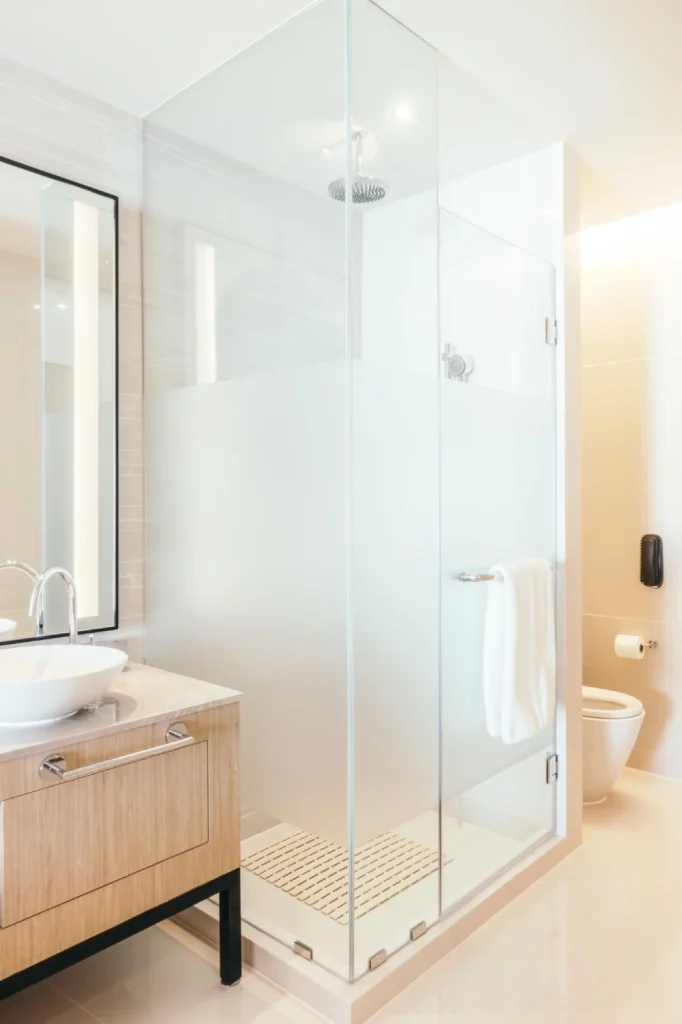
Even the toughest material can fail without proper installation or care. The right habits and prep work protect your investment for years to come.
Get the Installation Right
Durability starts on day one. A proper slope directs water to the drain, preventing puddling and mold.
Professional bathroom installers also apply waterproof membranes beneath the surface: a step that’s non-negotiable for long-term protection. This is also when any plumbing updates should happen, so drains, pipes, and fixtures are aligned perfectly with the new shower pan.
If you’re hiring out, ask to see previous shower projects before work begins.
Seal and Reseal as Needed
Stone, pebble, and grout lines all benefit from regular sealing. It’s what keeps water out and stains from setting in.
Most surfaces only need this once or twice a year, a small step that dramatically extends their life span and appearance.
Use the Right Cleaners
Skip the harsh chemicals. pH-neutral cleaners keep the finish intact and prevent etching or discoloration. Don’t forget the corners and grout lines where soap scum and mildew tend to build up first.
For natural stone, use products designed for sealed surfaces only. After each shower, a quick rinse and squeegee go a long way toward preventing buildup.
Check for Wear
Grout and caulk naturally break down over time. Early signs include discoloration, small cracks, or loose edges around tiles. Catching these issues early prevents leaks from seeping beneath the surface.
A simple inspection every few months, and re-caulking as needed, helps avoid larger repairs down the line.
Common Mistakes To Avoid With Shower Flooring
- Choosing polished surfaces that become slippery when wet.
- Selecting large tiles that are difficult to slope toward the drain.
- Ignoring sealing requirements for stone and grout.
- Focusing only on appearance without considering maintenance.
- Skipping proper waterproofing during installation.
Built to Last, From the Floor Up
A walk-in shower is a daily experience that should feel as solid in year ten as it did on day one. Choosing the right floor material is where that lasting quality begins, blending design, safety, and strength in a space you use every day.
Whether your style leans toward classic tile, natural stone, or sleek concrete, the difference comes down to craftsmanship. The right installation, sealing, and care make beautiful materials truly durable ones.
At Lifespan Bath Remodel, we help Utah homeowners design bathrooms that stand the test of time, right down to every tile, vanity, and finish. From durable shower pans to sleek glass doors, we’ll make your luxurious space feel open and modern.
Talk with our remodeling team about your walk-in shower goals, and we’ll help you choose materials that look great, feel safe, and last for years to come. Schedule your free bathroom consultation today.
FAQs
1. Which material lasts the longest for shower floors?
Porcelain tile stands out for its durability and low water absorption. It resists cracks, stains, and wear, so you get a long-lasting surface with minimal upkeep.
2. Are natural stone floors a good choice?
Natural stone looks great and feels solid underfoot. You need regular sealing and cleaning, but it holds up well if you stay consistent with care.
3. What makes pebble floors popular?
Pebble floors add texture, which helps reduce slipping. You get a spa-like feel, though grout lines need extra cleaning to keep the surface fresh.
4. How do you prevent slipping on shower floors?
You can choose textured tiles or smaller tiles with more grout lines. Both options improve grip and help you move safely in wet conditions.
5. Does maintenance vary by material?
Porcelain needs basic cleaning, while stone and pebble require sealing and more attention. Your choice depends on how much time you want to spend on upkeep.
Questions? Talk to a Pro.
We beat any competitor by $100! Call for details. (801) 532-2000
Recent articles
10 Factors to Consider Before Installing a Walk-In Shower
What Homeowners Should Know Before Choosing PuroStone for Their Shower Remodel
How to Decide If Your Bathroom Needs a Partial Upgrade or a Full Bathroom Remodel

What Bathroom Design Features Help Reduce Daily Maintenance?
What Causes Bathroom Remodeling Projects to Fail and How Can Homeowners Avoid Them?

What Are the Best Bathroom Upgrades for Aging Parents Living at Home?
7 Ways to Increase Bathroom Space When Remodeling

Which Bathroom Safety Features Prevent the Most Falls for Seniors?
Related Posts
Matt Tychsen
October 13, 2026
10 Factors to Consider Before Installing a Walk-In Shower
TL;DR: A successful walk-in shower installation depends on more than choosing a modern design. Space, accessibility, materials, waterproofing, storage, and long-term use all...
October 1, 2026
What Homeowners Should Know Before Choosing PuroStone for Their Shower Remodel
TL;DR: Is PuroStone a Good Choice for a Shower Remodel? PuroStone may appeal to homeowners who want a clean shower look, fewer visible...
September 22, 2026
How to Decide If Your Bathroom Needs a Partial Upgrade or a Full Bathroom Remodel
Not every dated bathroom needs to be completely torn apart. Sometimes a few well-chosen updates can make the space feel new again. Other...