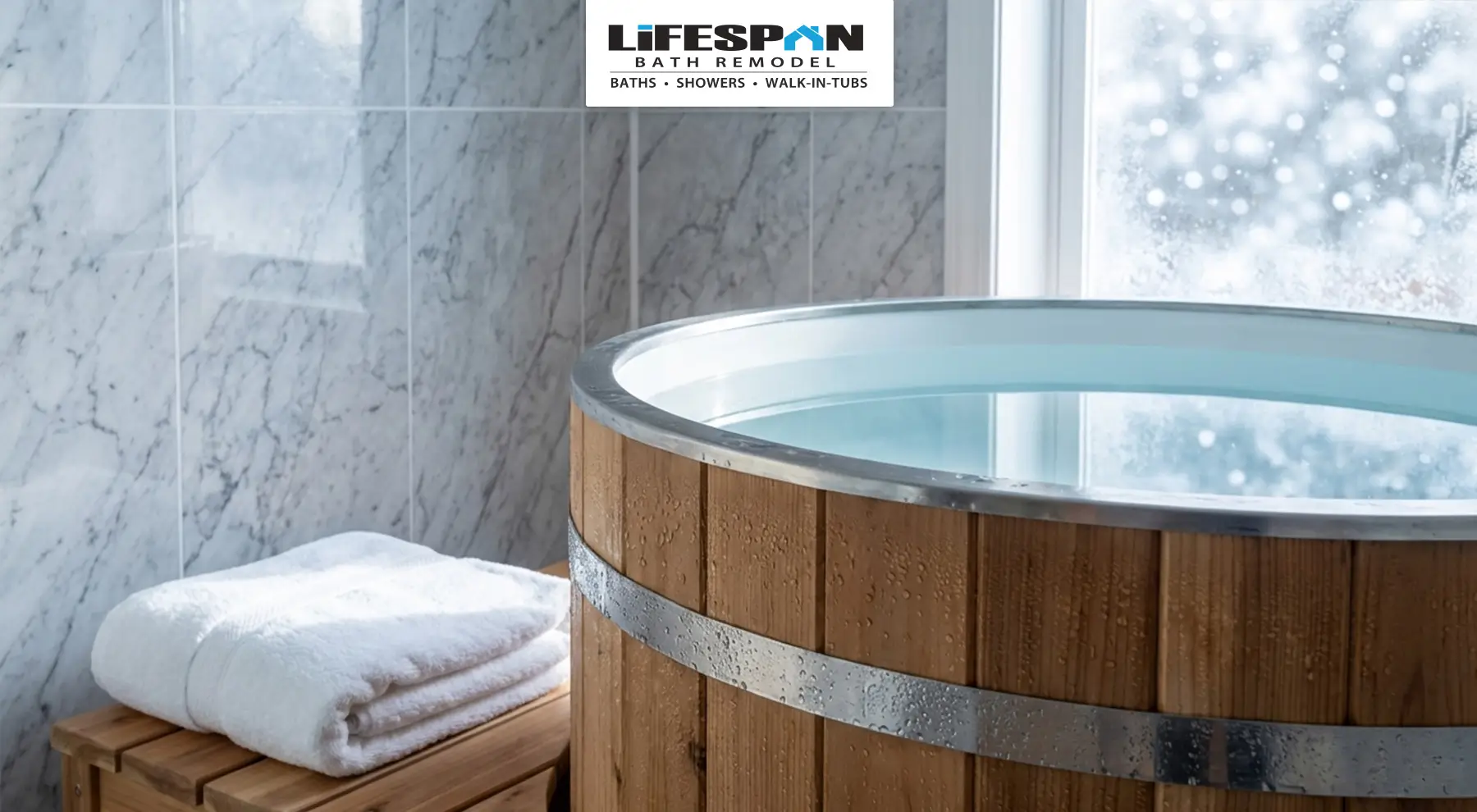
You used to pretty much only find cold plunges in pro locker rooms or sports medicine. Now, they’re showing up in upgraded bathrooms and remodel wish-lists across the country.
A recent industry analysis shows the cold plunge tub market reached $338 million in 2024, with demand rising sharply as homeowners look for practical recovery tools they can use at home. More people are turning their bathrooms into wellness spaces, and cold plunges are leading the shift.
In this guide, we’ll cover:
- The full list of cold plunge health benefits
- Temperatures and timing that actually work
- The scientific backing behind cold-water plunges and cold showers
- Benefits for women, seniors, and active families
- How cold plunges fit into bathroom layouts, safety features, and remodel planning
What Is Cold Plunge Therapy?
Cold plunge therapy is simple in concept: you immerse your body in chilled water (usually 50–59°F) for a short period of time to trigger a controlled physical response. That quick temperature shift is what drives the most common benefits people talk about, like faster recovery, reduced soreness, better circulation, improved sleep quality, and a noticeable boost in alertness.
Today’s cold-plunge tubs are built for everyday homeowners. They hold consistent temperatures, filter the water, and offer safer entry than improvised ice baths. Most models use durable, easy-to-clean materials and include step-in access that works well for families and seniors.
A home cold plunge works because it creates a predictable environment: steady temperature, controlled depth, safe footing, and reliable access. Those details matter, especially in bathrooms where moisture and hard surfaces can increase slip risks.
Health Benefits of Cold Plunge
Cold plunging has grown popular because people don’t just feel better afterward. There’s real science behind many of the benefits.
From immune function to delayed onset muscle soreness, here are the major reasons homeowners are adding cold-plunge tubs to their wellness routines.
Improved Blood Flow, Circulation, and Reduced Inflammation
Cold water and regular cold showers make blood vessels constrict, which helps push blood toward the core.
When you warm back up, the vessels reopen, sending fresh, oxygen-rich blood throughout the body. That natural “pumping” effect can help:
- Reduce swelling
- Ease muscle soreness
- Support faster recovery after activity
- High blood pressure
- Immune system issues
People with joint discomfort or inflammation, including arthritis flare-ups, often report feeling looser and more mobile after consistent cold-plunge use.
Mood, Energy, and Mental Health Benefits and Wellness
Cold water triggers the release of norepinephrine and endorphins, which can improve alertness, stabilize mood, and help lower stress.
A 2023 study found that a single five-minute cold-water immersion produced a measurable increase in positive mood and a decrease in negative mood. Participants felt more alert, attentive, and inspired, and less distressed or nervous after the plunge.
For many homeowners, that quick mental lift is just as appealing as the physical recovery.
Cold Plunge Benefits for Women and Seniors
Women often use cold-water therapy to help manage inflammation related to hormonal changes, physical stress, or pregnancy-related swelling. Seniors may experience:
- Reduced joint stiffness
- Improved mobility
- Less day-to-day swelling
Because both groups may have unique safety needs, cold-plunge tubs with step-in access, grab bars, and slip-resistant flooring make a meaningful difference.
Cold Plunge After a Workout
Cold plunges have long been part of athletic recovery. A 2022 review in the Journal of Strength and Conditioning Research found that cold-water immersion after high-intensity exercise reduced muscle soreness and helped improve short-term recovery.
For active homeowners, whether lifting weights, hiking, gardening, or chasing grandkids, a cold plunge can help calm sore muscles and speed recovery between activities.
Cold Plunge Safety and Considerations
Cold plunging can be a healthy part of a home wellness routine, but the experience needs to be safe, controlled, and accessible.
A few simple guidelines help keep the practice comfortable for beginners and predictable for families or seniors.
Safe Cold Plunge Temperature and Time
The safest place to start is with temperatures on the warmer end of the cold range, typically 55–59°F, and short sessions of one to two minutes.
As your body adapts, you can gradually work toward three to five minutes if you feel comfortable. Some experienced users go slightly colder, but “extreme” colder temperatures don’t offer extra benefits and increase the risk of numbness and overexposure.
If shivering becomes intense or your hands and feet start to go numb, it’s time to get out and warm up slowly with warm clothing, towels, or a warm room. Not a hot shower, which can cause dizziness.
Who Should Avoid Cold Plunge Therapy
Cold-water immersion isn’t right for everyone. Seniors with heart or circulation issues, people with neuropathy or respiratory conditions, and pregnant women should speak with a healthcare provider before getting started.
Children should only participate with close adult supervision, and even then for very brief periods.
Cold water places immediate stress on the cardiovascular system, so anyone with underlying health concerns should use extra caution.
Monitoring for Adverse Reactions
Even with safe temperatures and timing, pay attention to how your body responds. Feeling lightheaded, unusually short of breath, or experiencing chest discomfort are signs to stop immediately.
Severe shivering or confusion also indicates your body’s ability to struggle to regulate body temperature and needs to warm up. Most reactions resolve quickly once you exit and warm up gently. If symptoms don’t improve, medical attention may be necessary.
Designing a Cold Plunge Bathroom Space
Bringing a cold plunge into your home is about creating a bathroom layout that supports safe, comfortable use.
Because cold plunges involve water movement, temperature changes, and frequent wet surfaces, a well-planned space makes all the difference.
Space Planning for Cold Plunge Tubs
Cold plunge tubs are often deeper and heavier than standard bathtubs, which means they need the right amount of room around them.
A safe layout allows you to step in and out without twisting, squeezing through narrow gaps, or move over slippery tile. Most homeowners benefit from:
- Clear walking paths around the tub
- Enough room to steady yourself before lowering into the water
- Open layouts that reduce corners and tight transitions
If your bathroom is compact, smaller plunge units or modular tubs can fit into remodel plans without overwhelming the space.
Accessibility Upgrades for Seniors
Cold water makes muscles tighten quickly, which can make balance more challenging, especially for seniors or adults with mobility limitations.
A few thoughtful bathroom upgrades can make daily use safer:
- Grab bars near entry and exit points
- Slip-resistant flooring around the tub
- A sturdy bench or built-in seating for lowering into the water
- Temperature displays that are easy to see without bending
These features create a safer environment not only for cold plunging, but also for everyday bathroom routines.
Maintenance and Upkeep Tips
Keeping a cold plunge clean is needed for both safety and comfort. Most tubs need periodic water changes and regular filtration maintenance.
Homeowners who use their plunge daily tend to replace water weekly, while occasional users can follow a longer schedule. Water-quality test strips, simple cleaning solutions, and routine filter checks help keep the tub running smoothly.
If the plunge is part of a bathroom remodel, adding nearby storage for towels and cleaning supplies keeps everything organized and close at hand.
Cold Plunge Benefits for Everyday Life
Once a cold plunge becomes part of your routine, the benefits extend beyond physical recovery.
Many homeowners find that cold-water therapy supports their daily rhythm, boosts their mood, and creates a small but meaningful moment of calm, right inside the bathroom.
Building a Healthy Routine
Consistency is where cold plunging really pays off. Whether you prefer a quick morning dip or a short session after exercise, sticking to a routine helps your body adjust and respond more effectively. It can also help if you have any pre existing health conditions.
Some people track their time and core temperature to keep progress steady, while others simply schedule a few minutes each day as part of their wellness practice. The key is making the plunge easy to access.
When the tub is part of a well-designed bathroom, it becomes a natural step in your daily routine, not a chore or an afterthought.
Enhancing Relaxation and Wellness
Cold plunges often pair well with other wellness habits. Some homeowners use them before meditation or steady breathing exercises. Others alternate between warm showers and cool dips for a spa-like contrast.
Even a few minutes of cold immersion can help clear the mind, lower stress, and create a sense of reset, especially at the end of a busy day.
Encouraging Family Participation
With the right safety precautions, cold plunging can become a shared wellness ritual. Older kids may enjoy a brief dip as a challenge or a way to cool down on warm days, while seniors often appreciate how cold exposure can reduce swelling and ease stiffness.
When the bathroom is designed with good lighting, grab bars, and slip-resistant surfaces, the experience is safer and more enjoyable for everyone.
Bringing Cold Plunge Therapy Into a Well-Designed Bathroom
Cold plunges are no longer limited to gyms or sports facilities. They’re becoming a practical, energizing part of home wellness. With the right setup, homeowners can enjoy better recovery, improved circulation, and a quick mental lift without leaving the bathroom.
A thoughtful layout makes cold therapy safer and easier. Clear walking paths, slip-resistant flooring, secure grab bars, and good lighting help families and seniors use a cold plunge with confidence. These upgrades also improve everyday comfort in the bathroom.
If you’re considering a cold plunge as part of your remodel, or want a bathroom that supports wellness at every age, Lifespan Bath Remodel can help you design a space that fits your routine. From safer tub layouts to modern accessibility features, the right updates make cold plunges more enjoyable all year long.
Ready to get started? A safer, more comfortable bathroom begins with smart design. Contact us now!
Questions? Talk to a Pro.
We beat any competitor by $100! Call for details. (801) 532-2000
Recent articles

Which Bathroom Safety Features Prevent the Most Falls for Seniors?

What Should You Prioritize When Planning a Full Bathroom Remodel?

The Three F’s of Modern Bathroom Design: Functionality, Flow, and Finishing Details
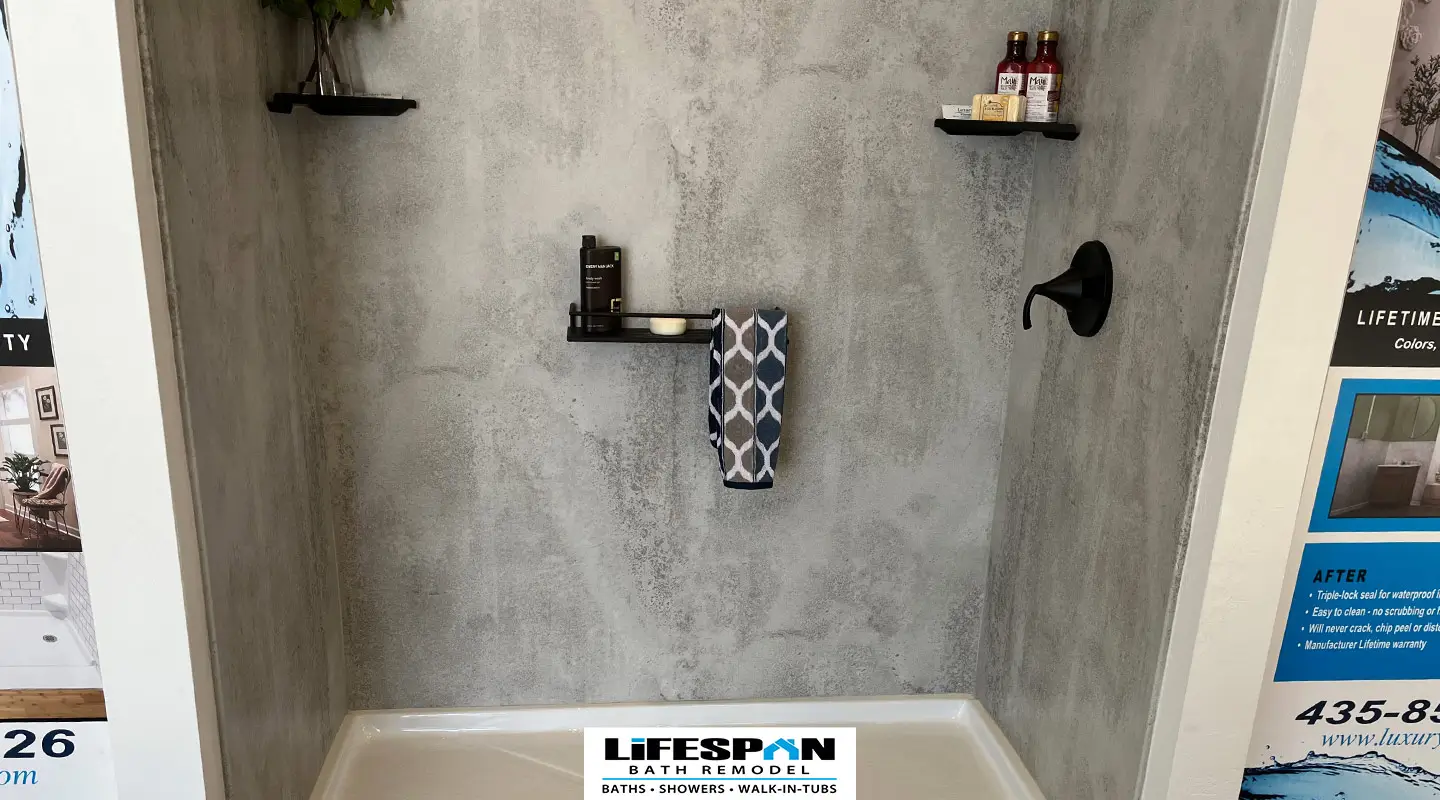
Wall Surrounds vs. Traditional Tile: Which is Better for Your Bathroom?
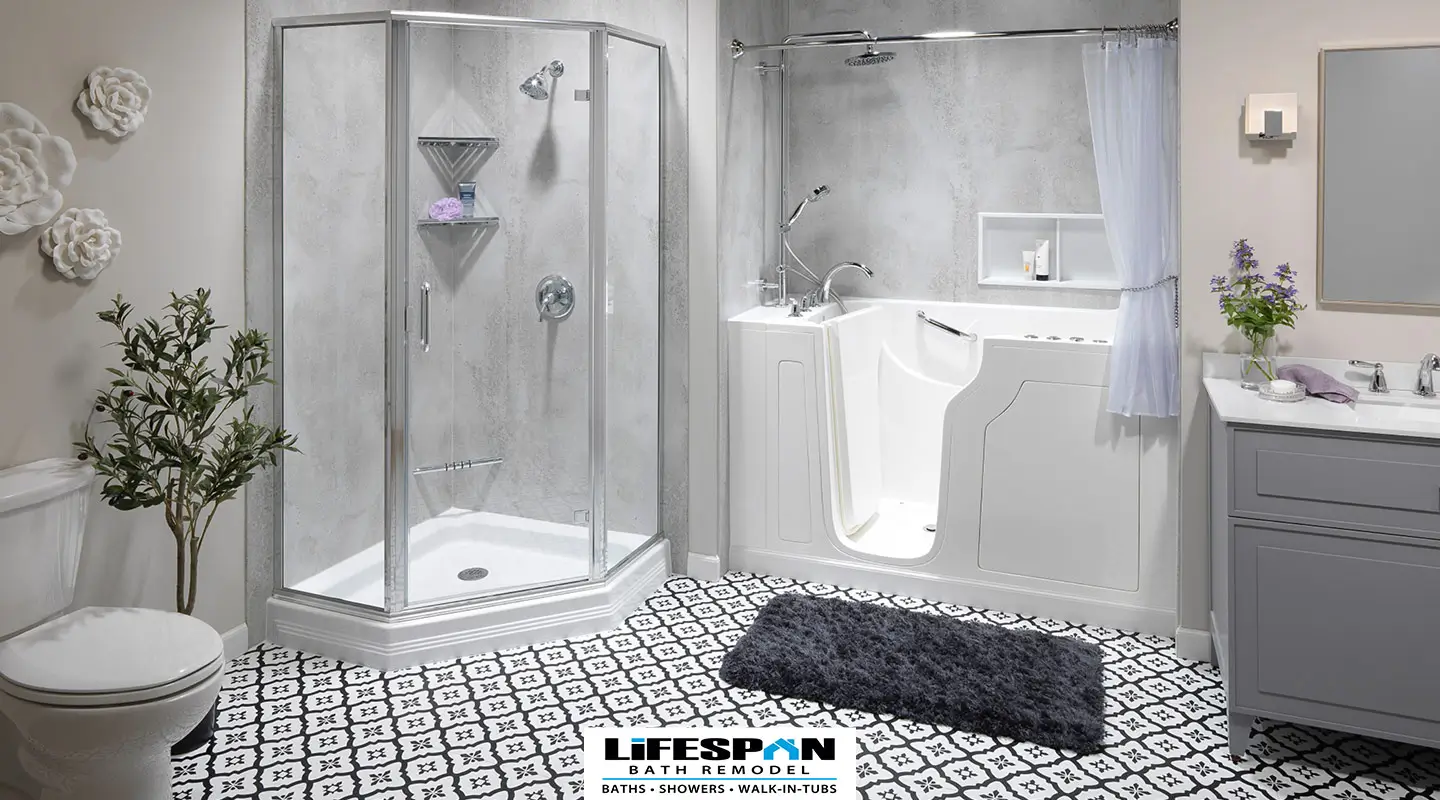
A Complete Guide to Combining Accessibility and Modern Bathroom Design

ADA Bathroom Requirements for Utah Homes: What Every Homeowner Should Know
PuroStone Bathroom Surfaces: Stone Beauty Built for Real Life

Tired of Cleaning Grout? Discover a Low-Maintenance Shower Alternative with PuroStone
Related Posts
Matt Tychsen
August 19, 2026
Which Bathroom Safety Features Prevent the Most Falls for Seniors?
TL;DR: Explore the key bathroom safety features that help prevent senior falls, including grab bars, walk-in showers, non-slip surfaces, improved lighting, and accessible...
August 11, 2026
What Should You Prioritize When Planning a Full Bathroom Remodel?
TL;DR: Planning a full bathroom remodel requires more than choosing new fixtures and finishes. This guide covers the key steps to prioritize, from...
August 6, 2026
The Three F’s of Modern Bathroom Design: Functionality, Flow, and Finishing Details
TL;DR: A modern bathroom design should balance three key elements: functionality, flow, and finishing details. Learn how thoughtful layouts, smart storage, and carefully...