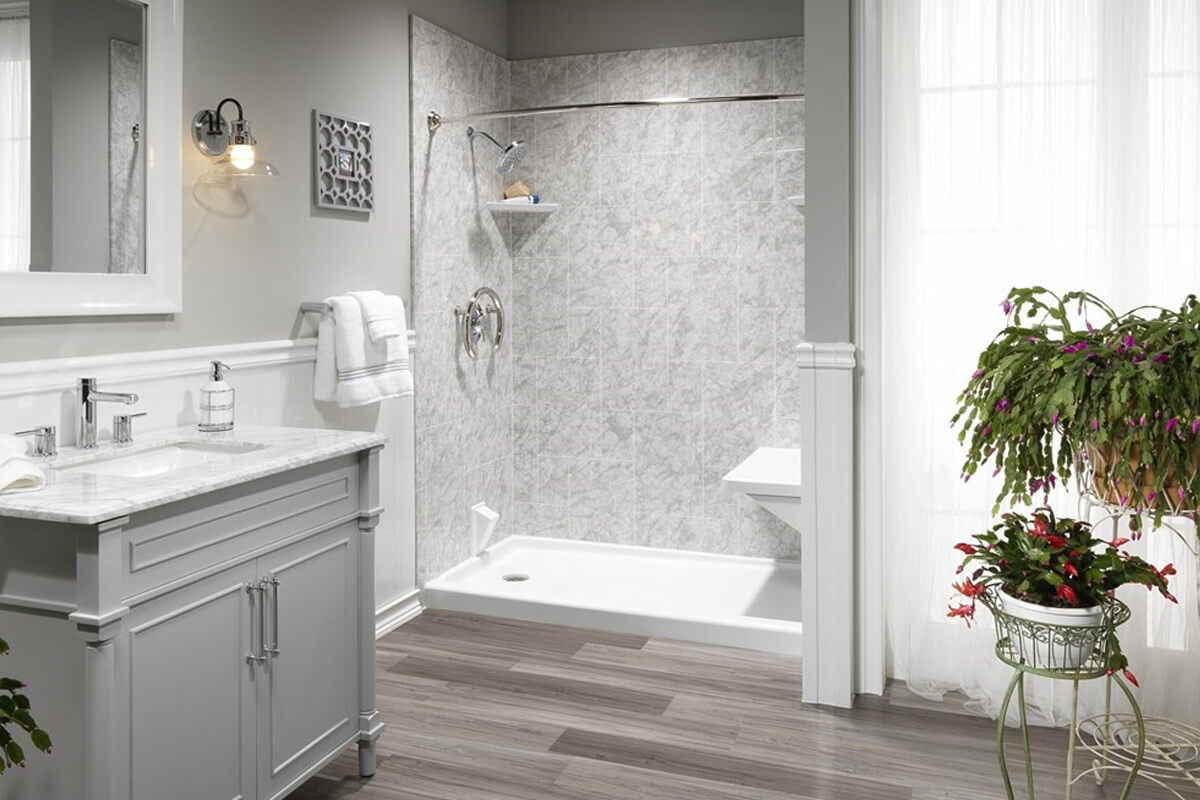

TL;DR:
You can lower bathroom humidity by improving airflow, using exhaust fans, and managing moisture after showers. Simple steps like opening windows, wiping surfaces, and using a dehumidifier help prevent mold, odors, and long-term damage.
Foggy mirrors, damp walls, and that musty smell after a shower: these are all signs that your bathroom’s humidity is too high. What feels like a small annoyance can quietly cause long-term damage, from peeling paint to hidden mold behind walls.
According to the Environmental Protection Agency (EPA), indoor humidity should stay between 30% and 50%. Yet, bathrooms often exceed that within minutes of a hot shower.
For Utah homeowners, the contrast between the state’s dry air and the sudden indoor moisture spikes can be especially tough on materials and air quality.
Reducing humidity protects your bathroom surfaces, your home’s structure, and your family’s health. In this guide, we’ll cover the following:
- Common causes of humidity recurrence in bathrooms
- Health, structural, and aesthetic risks of high humidity
- Effective methods to reduce and absorb moisture after showers and baths
- Long-term material and ventilation upgrades
- When to call in professionals for persistent problems of excess moisture
Why Humidity Builds Up in Bathrooms
Bathrooms are small, enclosed spaces designed for water, which makes them the most likely place in your home to trap moisture.
Understanding where that humidity comes from is the first step in controlling it.
Common Sources of Moisture
Hot showers and steaming baths release more water vapor than almost any other household activity. Without enough airflow, that vapor lingers and turns into condensation on mirrors, tiles, and ceilings.
Other everyday habits, like leaving wet towels to dry inside, running hair dryers, or keeping doors closed during showers, can all raise indoor humidity levels. Even tap water from sinks and toilets adds to the mix in compact bathrooms where air circulation is limited.
How It Affects Walls and Ceilings
Warm air naturally rises, and so does moisture. That’s why ceilings and upper walls are often the first places to show damage.
Over time, you might notice bubbling paint, soft drywall, or even faint dark patches that signal water buildup behind the surface.
In Utah’s dry climate, these signs can appear suddenly after a humid winter day or a week of long, hot showers. Catching them early prevents costlier issues like insulation damage or hidden mold growth above the ceiling.
Health and Home Risks of High Humidity
Too much moisture in the air doesn’t just fog up mirrors. It can quietly harm your health, your home’s structure, and even your resale value.
Mold and Mildew Growth
Mold and mildew thrive in warm, damp spaces like bathrooms. Once spores take hold, they can spread quickly behind tile, under paint, or around vents.
According to the Centers for Disease Control and Prevention (CDC), breathing in mold can cause allergy-like symptoms, especially for children, seniors, and anyone with asthma or a weakened immune system.
Beyond health concerns, mold is tough to remove and often requires professional cleaning once it sets in.
Damage to Ceilings and Walls
Water-stained ceilings and peeling paint are warning signs of ongoing humidity problems. Over time, trapped and lingering moisture can weaken drywall, rot framing, and lead to structural repairs that go far beyond a fresh coat of paint.
In Utah’s seasonal climate, the repeated cycle of steam followed by dry air can cause materials to expand and contract, worsening cracks or separation in caulk and grout.
Keeping your bathroom’s humidity in check prevents both the visible and hidden damage that comes with constant moisture exposure.
How to Reduce Humidity in the Bathroom
Lowering bathroom humidity starts with how you move hot air, manage moist air, and maintain surfaces. But most fixes are simple and affordable.
(1) Improve Ventilation
Airflow is the first line of defense. Make sure your bathroom fan or window can pull humid air out quickly.
A properly sized ventilation fan that matches your bathroom’s square footage should run during every shower and for at least 20 minutes after. Keep the bathroom door open once you’re done to let dry air circulate.
- Pro tip: If the mirror stays fogged after 15 minutes, your fan isn’t doing enough. It may need cleaning, replacement, or a more powerful unit.
(2) Use Exhaust Fans or Dehumidifiers
A high-quality exhaust fan keeps humidity from settling into walls and ceilings. Look for ENERGY STAR®-rated fans that move at least 1 cubic foot per minute (CFM) per square foot of bathroom space.
If installing a fan isn’t practical, a small plug-in dehumidifier works as a backup. Empty the tank daily and keep cords away from wet areas.
(3) Reduce Moisture After Showers
Simple daily habits make a big difference. Leave the door open, hang towels outside the bathroom, and wring out bathmats so they don’t hold water.
Wipe down tile and glass surfaces and shower doors with a squeegee to stop water from evaporating into the air. Keeping a small fan running for a few minutes after use helps dry corners and grout faster.
(4) Upgrade Bathroom Materials
If your bathroom often feels damp, materials might be part of the problem. During your next remodel, choose moisture-resistant paint, mildew-proof caulk, and non-porous flooring like tile or vinyl.
For walls, cement board or moisture-resistant drywall (often called “green board”) performs far better than standard materials. These upgrades not only control humidity but also reduce long-term maintenance.
Tips to Prevent Humidity in Bathrooms
Once humidity is under control, a few small habits will help keep it that way. These tips work year-round, especially during Utah’s seasonal shifts between dry winters and humid summers.
Keep the Space Dry After Each Use
After a shower, leave the curtain or glass door open so the area can air out. Quickly wiping down walls, corners, and floors with a towel or squeegee takes seconds but prevents moisture from settling.
Hang towels and bathmats where air can reach them, not bunched up in the corner.
Maintain Clear Airflow
Check that nothing blocks the fan vent or return air grille. Clean vent covers every few months to remove dust buildup.
When the weather allows, crack a window to let drier outside air mix in. Even a small opening helps balance humidity levels.
Use Moisture-Resistant Materials
If you’re repainting or remodeling, pick materials built for high-humidity areas: moisture-resistant drywall (green or cement board), water-repellent paint, mildew-proof caulk, and non-porous flooring.
These features keep humidity from seeping into walls and subfloors.
Monitor Indoor Humidity
A compact digital hygrometer costs less than $20 and tells you exactly how humid your bathroom is.
Aim for 30–50% relative humidity. If it routinely climbs higher, your fan or insulation may need attention.
Solving Bathroom Ceiling Moisture Problems
Even with good airflow, moisture can sometimes find its way into ceilings and upper walls. The key is catching small issues before they turn into expensive repairs.
Recognize the Early Signs
Look for bubbling or peeling paint, dark patches, or a faint musty smell. Stains, cracks around vents, or warped corners are often the first signs of trapped moisture.
These warning signs may appear after long showers or during colder months when warm indoor air meets cold surfaces.
Repair and Prevent Recurrence
Scrape away damaged paint and let the ceiling dry completely before repainting. Use a mold-resistant primer followed by high-quality, moisture-resistant paint.
If stains return, inspect for roof leaks or plumbing issues above the ceiling. Adding insulation above the bathroom helps regulate temperature and prevent condensation during Utah’s winter temperature swings.
Plan for Long-Term Solutions
If the problem keeps coming back, it might be time to look deeper. Persistent ceiling moisture could point to undersized ventilation, poor airflow design, or aging materials.
A professional remodel can solve those issues permanently — combining upgraded fans, better insulation, and water-resistant finishes that protect the space for years to come.
When to Consider Professional Help
If humidity problems keep coming back no matter what you try, it might be time to bring in an expert. Persistent moisture can point to deeper issues that aren’t visible on the surface.
When DIY Fixes Aren’t Enough
Even the best fans and dehumidifiers can’t solve problems caused by poor ventilation design, hidden plumbing leaks, or failing insulation.
If you notice constant dampness, new stains, or mold returning after cleaning, those are clear signs the problem is structural, not just surface-level.
The Value of a Professional Assessment
A licensed contractor will inspect the ventilation layout, check for hidden leaks, and identify where air or water might be trapped. They can also recommend permanent upgrades, from high-efficiency vent fans to vapor barriers and moisture-resistant materials that stop humidity at its source.
Remodeling as a Long-Term Solution
For older homes, a targeted bathroom remodel can do more than refresh appearances. It can restore balance between ventilation, layout, and moisture control.
Keep Your Bathroom Dry, Healthy, and Built to Last
At Lifespan Bath Remodel, we specialize in bathroom remodels that solve the problem for good. From upgraded fans and sealed drywall to moisture-resistant flooring and smart design features, our team builds bathrooms that stay dry, safe, and beautiful year after year.
Whether you’re addressing humidity, planning a remodel, or improving access for your family, we’ll help you create a bathroom that’s as functional as it is comfortable.
Schedule your free bathroom consultation today.
FAQs
1. Why does humidity build up in your bathroom?
Hot showers release steam that stays trapped in a small space. Poor ventilation makes it harder for moisture to escape, so surfaces stay damp longer.
2. How can you improve ventilation quickly?
You can run an exhaust fan during and after showers. Opening a window or door also helps fresh air move through the space.
3. Do dehumidifiers help in bathrooms?
A small dehumidifier pulls excess moisture from the air. It works well if your bathroom lacks strong ventilation.
4. What daily habits reduce moisture?
You can wipe down walls, mirrors, and floors after use. Hanging towels to dry properly also helps reduce lingering dampness.
5. Can high humidity damage your bathroom?
Yes, moisture can lead to mold, peeling paint, and warped materials. Managing humidity protects your surfaces and keeps the space cleaner.
Questions? Talk to a Pro.
We beat any competitor by $100! Call for details. (801) 532-2000
Recent articles

What Causes Bathroom Remodeling Projects to Fail and How Can Homeowners Avoid Them?

What Are the Best Bathroom Upgrades for Aging Parents Living at Home?
7 Ways to Increase Bathroom Space When Remodeling

Which Bathroom Safety Features Prevent the Most Falls for Seniors?

What Should You Prioritize When Planning a Full Bathroom Remodel?

The Three F’s of Modern Bathroom Design: Functionality, Flow, and Finishing Details
Wall Surrounds vs. Traditional Tile: Which is Better for Your Bathroom?
A Complete Guide to Combining Accessibility and Modern Bathroom Design
Related Posts
Matt Tychsen
September 8, 2026
What Causes Bathroom Remodeling Projects to Fail and How Can Homeowners Avoid Them?
TL;DR: Bathroom remodels often fail because of poor planning, unrealistic budgets, rushed decisions, wrong material choices, and unclear communication. A successful remodel starts...
September 2, 2026
What Are the Best Bathroom Upgrades for Aging Parents Living at Home?
The bathroom may be one of the first places where aging becomes noticeable at home. A parent who once stepped into a tub...
August 24, 2026
7 Ways to Increase Bathroom Space When Remodeling
TL;DR: Small bathroom changes can create a bigger impact than expected. Discover how smart layouts, hidden storage, compact fixtures, and design adjustments can...